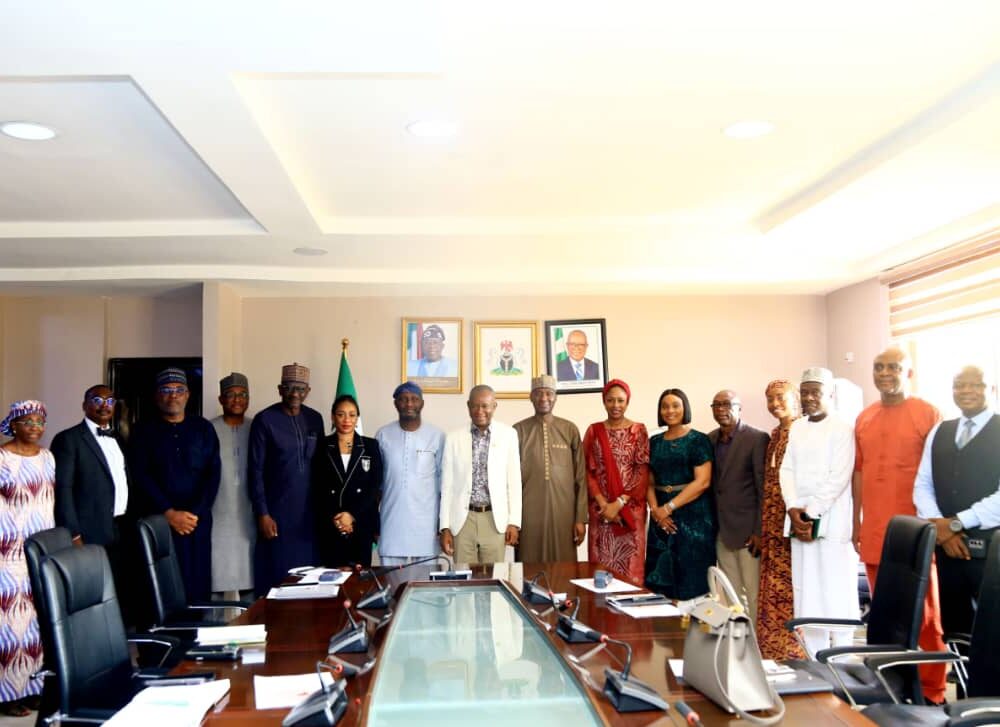


President Bola Ahmed Tinubu has signed into law four transformative tax reform bills that are expected to overhaul Nigeria’s fiscal landscape and significantly improve revenue administration across the country.
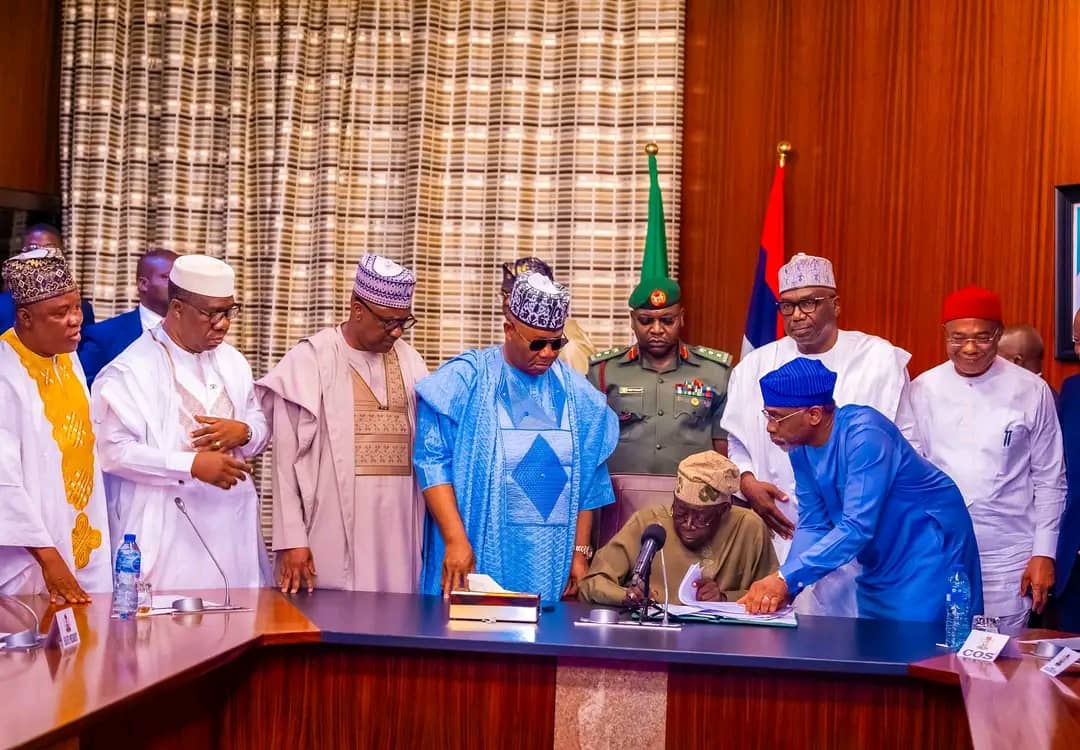
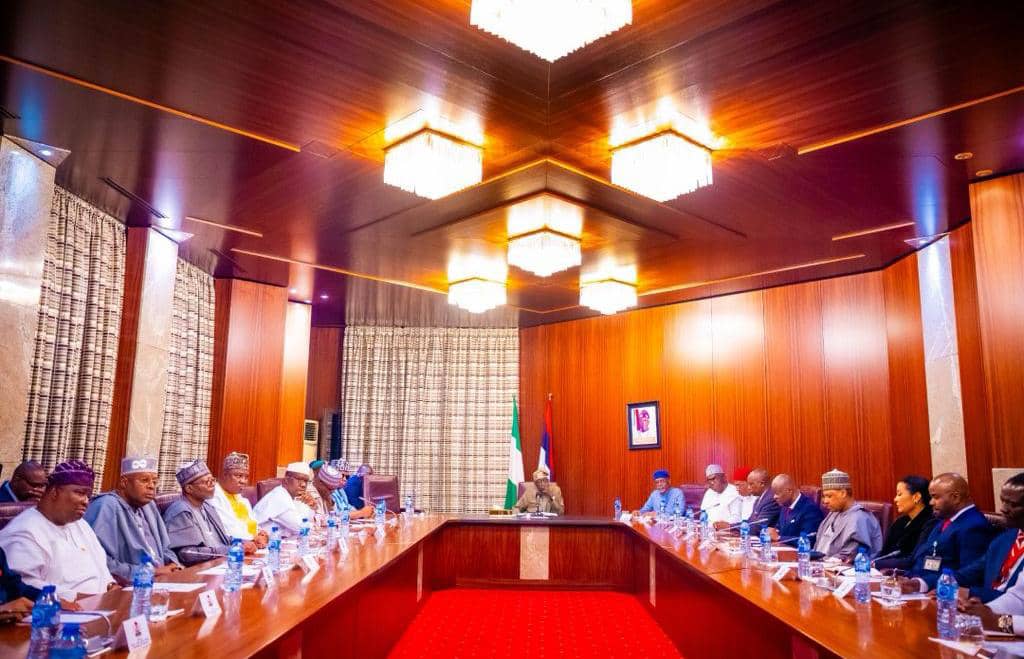
The newly enacted laws the Nigeria Tax Bill, the Nigeria Tax Administration Bill, the Nigeria Revenue Service (Establishment) Bill, and the Joint Revenue Board (Establishment) Bill were passed by the National Assembly following wide consultations with stakeholders, including the private sector and fiscal policy experts.
The signing ceremony, held at the Presidential Villa in Abuja, was attended by top government officials, including the Senate President, the Speaker of the House of Representatives, Majority Leaders of both chambers, Chairmen of the Finance Committees, the Chairman of the Nigeria Governors’ Forum, the Chairman of the Progressives Governors’ Forum, the Minister of Finance and Coordinating Minister of the Economy, and the Attorney General of the Federation.
President Tinubu, in his remarks, described the enactment of the new laws as a crucial step toward building a modern, efficient, and transparent tax system that supports national development, encourages investment, and reduces the burden on taxpayers.
The Nigeria Tax Bill, also referred to as the Ease of Doing Business law, harmonises existing tax laws into a single framework. It aimed to eliminate duplication and the multiplicity of taxes, thereby creating a more predictable and investor-friendly fiscal environment.
The Nigeria Tax Administration Bill introduced a unified legal and operational framework for tax administration across federal, state, and local governments. This is expected to enhance coordination, simplify compliance, and strengthen tax governance nationwide.
The Nigeria Revenue Service (Establishment) Bill replaced the existing Federal Inland Revenue Service Act. It created a more autonomous, efficient, and performance-driven national revenue agency known as the Nigeria Revenue Service (NRS), with an expanded mandate that included non-tax revenue collection and clear mechanisms for accountability and transparency.
The Joint Revenue Board (Establishment) Bill provides a formal governance structure for intergovernmental cooperation on revenue matters. It establishes oversight institutions such as the Tax Appeal Tribunal and the Office of the Tax Ombudsman to ensure fair treatment of taxpayers and resolve disputes effectively.
The signing of these four bills marked a significant milestone in the Tinubu administration’s economic reform efforts and sets the stage for a more stable and prosperous fiscal future for Nigeria.