
The House of Representatives has launched a major investigation into the Federal Government’s inability to pay ₦498.7 million in compensation to 307 poultry farmers who lost their birds to avian influenza outbreaks between 2021 and 2023, signalling renewed legislative urgency to reform Nigeria’s livestock industry.
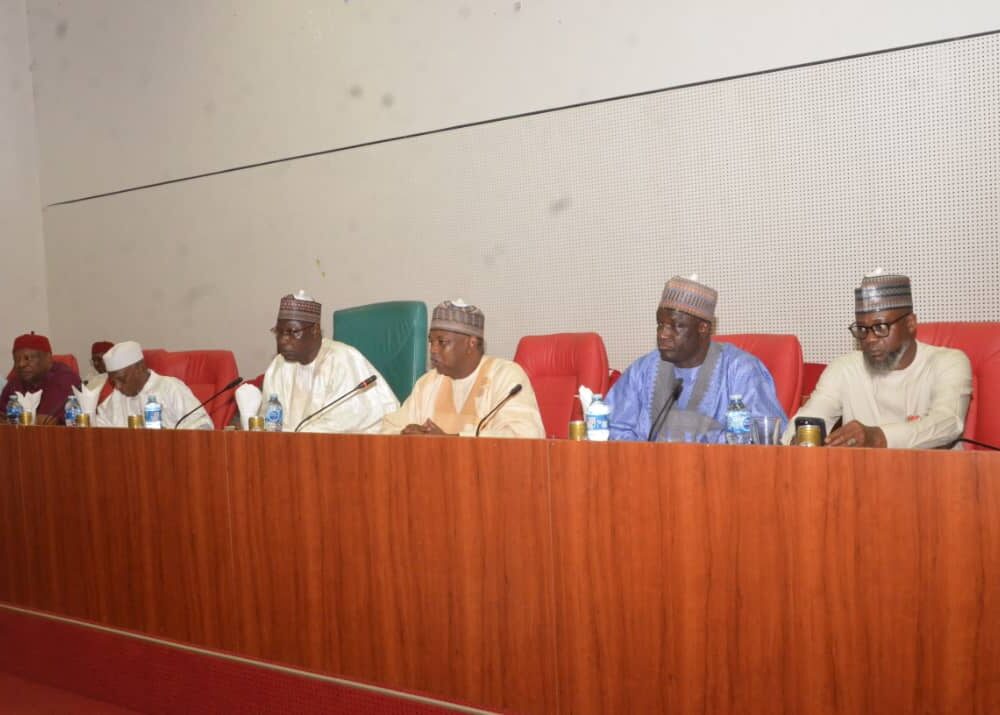
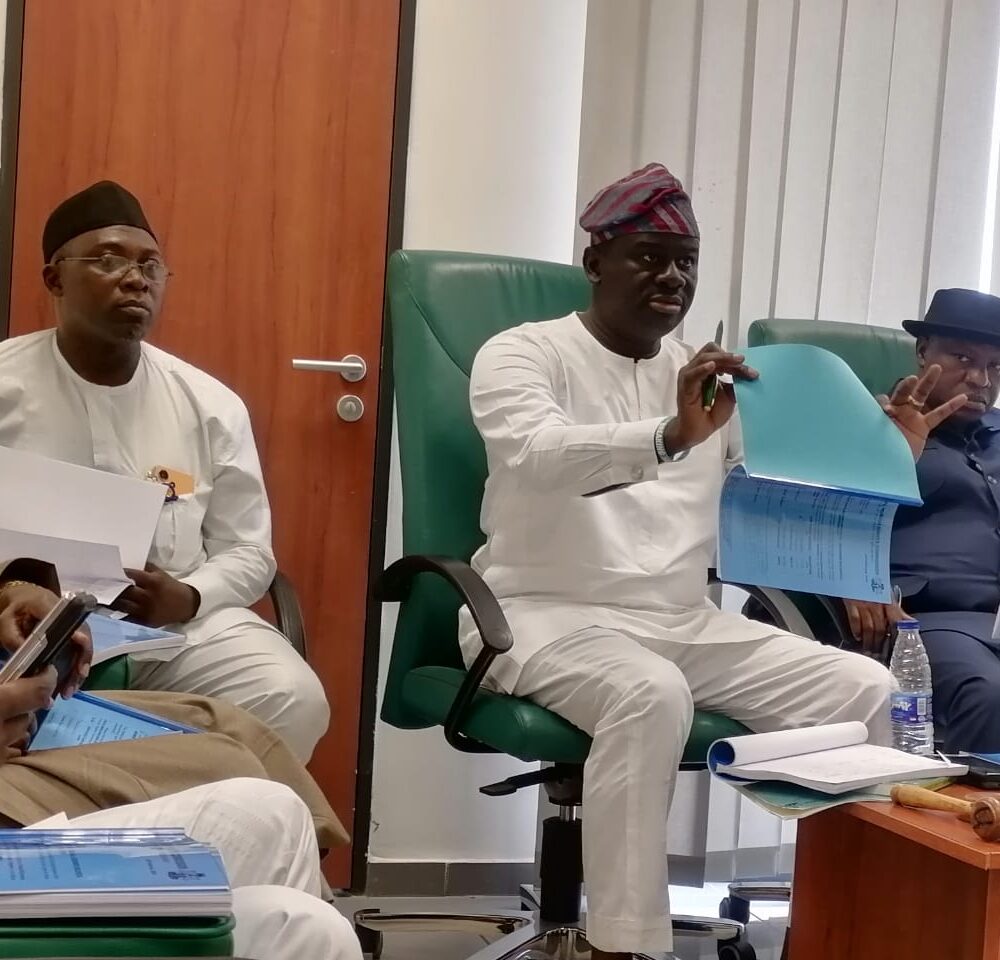
Chairman of the House Committee on Livestock Development, Hon. Wale Raji, announced the probe during a public hearing on six livestock-related bills at the National Assembly in Abuja. The bills, aimed at establishing new livestock institutions and strengthening animal production and veterinary capacity, formed part of a broader move to reposition the sector.
Raji said the hearing created a platform for stakeholders to address persistent challenges in the livestock ecosystem, especially the long-standing grievances of poultry farmers affected by bird flu outbreaks. He criticised the delayed compensation payments, assuring that lawmakers would ensure fairness, accountability, and transparency going forward.
Speaking on behalf of the Permanent Secretary of the Ministry of Livestock Development, Director of Veterinary Services, Dr. Adeniyi Adedoyin, revealed that ₦3.16 billion had earlier been paid to 1,055 farmers impacted by previous outbreaks. However, the most recent batch remains unpaid due to inadequate funding and the absence of a functional emergency response mechanism since the Animal Diseases Emergency Fund was suspended in 2021.
He also confirmed a new outbreak of avian influenza in Wukari, Taraba State, where 2,050 birds were culled without compensation yet processed. Adedoyin linked the compensation delays to budget shortfalls and low insurance coverage among farmers, worsened by the Federal Executive Council’s revised formula requiring joint contributions from the federal government, states, and farmers.
Raji noted that the investigation aligned with the National Livestock Transformation Plan, which aimed to modernise livestock systems, elevate veterinary standards, and strengthen food production. He pledged that affected farmers would be supported, and that the House would push for the reactivation of emergency funds to prevent future lapses.
Among the bills reviewed was a proposal by Hon. Bello Ka’oje of Kebbi State for the establishment of the Federal College of Animal Husbandry, Ka’oje. The institution is envisioned as a centre for innovation, breeding, and advanced livestock management. Ka’oje stressed the urgency of these reforms, citing Nigeria’s low global rankings 94th in milk production and 33rd in meat production behind regional counterparts like Egypt, Kenya, and Ethiopia.
Raji reaffirmed the House’s commitment to transparency and sector-wide inclusiveness, insisting that Nigeria’s livestock industry must be rebuilt as a driver of food security, rural development, and economic diversification.