
The Minister of State for Health and Social Welfare, Dr. Iziaq Adekunle Salako, has unveiled an ambitious plan to reinforce Nigeria’s health system resilience, urged stronger collaboration, sustained investment, and faster reforms to deliver equitable and sustainable healthcare for all Nigerians.
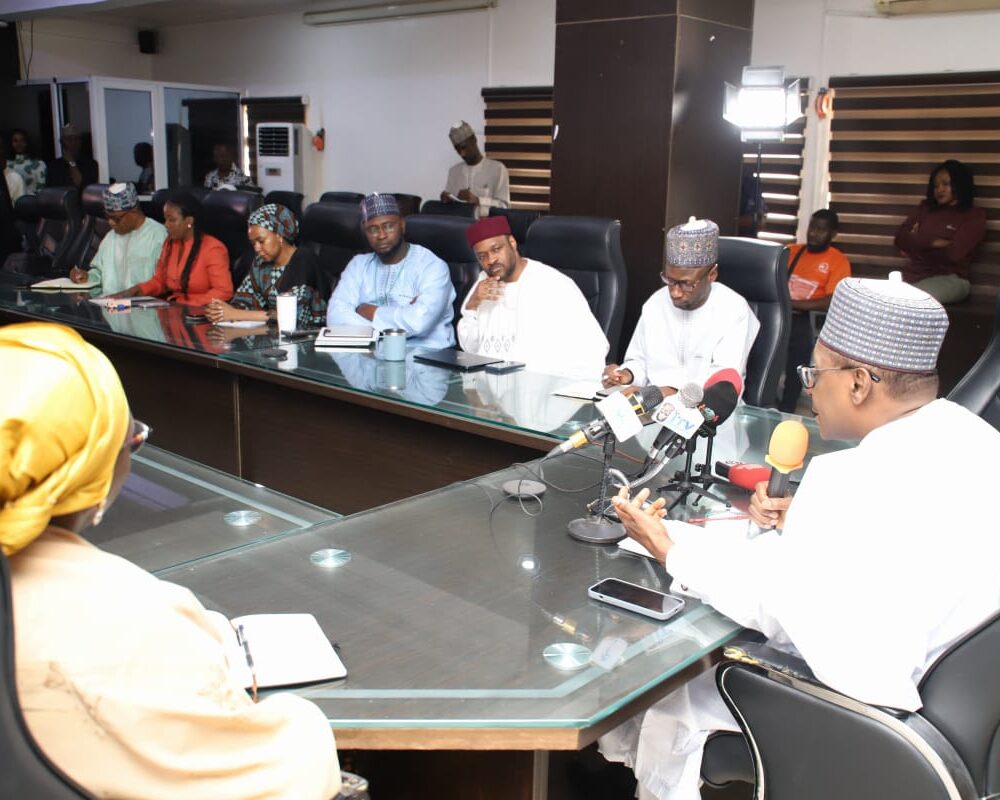
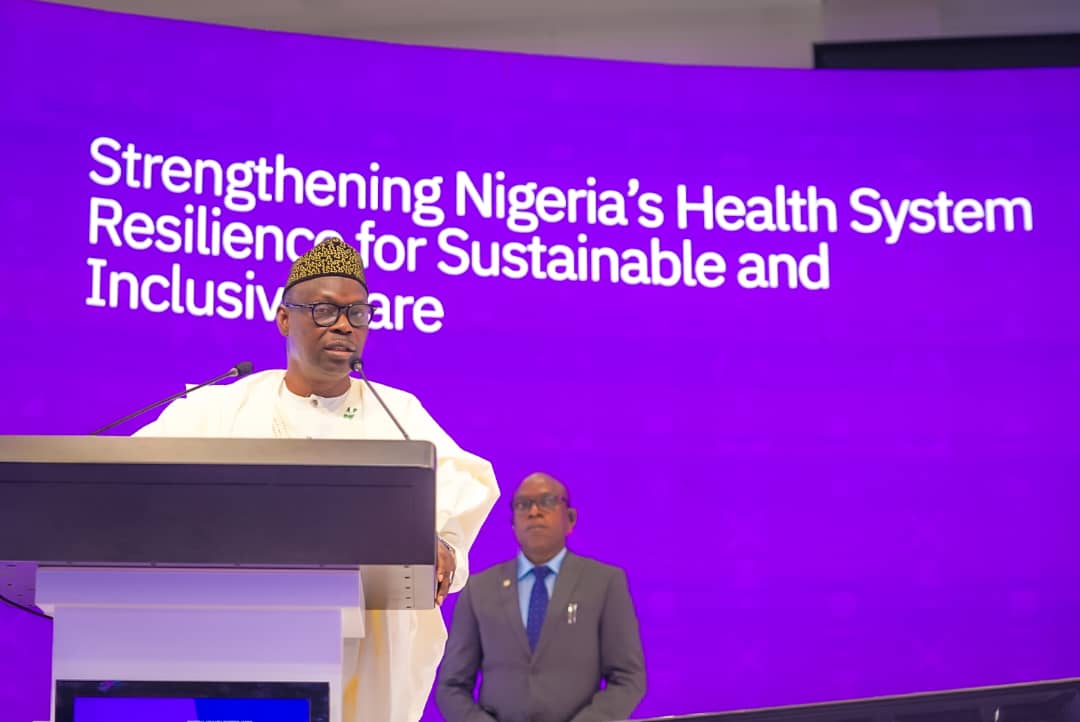
Delivering his inaugural address on Thursday at the second day of the 2025 Joint Annual Review Meeting (JAR) in Abuja, Salako said the disruptive events of the past five years from the COVID-19 pandemic to shrinking donor support from the U.S., U.K., and Germany have exposed deep vulnerabilities in global health systems. Yet, he emphasized that these challenges also revealed the transformative power of strong political will and coordinated action.
Salako said Nigeria must now consolidate lessons learned to build a health system capable of withstanding shocks while guaranteeing inclusive, universal care.
He referenced preliminary results of the 2023 Nigeria Demographic and Health Survey, which show signs of progress. Maternal mortality has declined from 576 to 512 deaths per 100,000 live births since 2018, under-five mortality dropped from 132 to 110 per 1,000 live births, and full immunization coverage has risen to 39%. But he warned that the gains remain insufficient for a nation of Nigeria’s size, noting the persistently low government spending on health, limited insurance coverage, an overstretched doctor-to-population ratio, and the concentration of health workers in urban centres. Despite representing just 2.6% of the world’s population, he noted, Nigeria still accounts for 14% of global maternal deaths and 9% of under-five deaths.
The minister highlighted progress recorded under President Bola Ahmed Tinubu’s Renewed Hope Agenda, including improvements in the Basic Health Care Provision Fund. He said fund absorption has grown from 45% in 2019 to 78% in 2023, while more than 20 million Nigerians have been enrolled in health insurance through initiatives of the National Health Insurance Authority. With President Tinubu’s recent executive order enforcing mandatory insurance for federal ministries, departments, agencies, and retirees, the government expects major gains ahead of the 2027 coverage target.
Salako also reported extensive improvements in the primary healthcare system, noting that governance structures are now functional in over 400 local government areas, while renovations, equipment upgrades, and strengthened staffing have raised quality scores from 42% to 67%. Across key disease-control programmes, he announced that Nigeria now has 1.78 million people on HIV treatment with 72% viral suppression, 80% tuberculosis case notification, millions of malaria cases averted yearly, and no detection of wild poliovirus since 2020. In digital health, he announced nationwide rollout of the Nigeria Digital Health Architecture, progress in establishing national health registries, and steps toward a unified health information exchange.
On infrastructure, he said the government has delivered more than 500 high-impact health projects and introduced the “Power for Health Initiative” to ensure reliable electricity in facilities. Over 37,000 health workers have been employed since 2023, while expanded training programmes and a new migration strategy seek to transform brain drain into “brain gain.” Pandemic preparedness has also strengthened significantly, with the number of PCR laboratories climbing from five to 129, genomic sequencing laboratories increasing to seven, and emergency operations centres now active in 32 states.
Looking ahead, the minister outlined a series of reforms that will prioritize increased financing at both federal and state levels, faster release of health funds, and expanded insurance—particularly for vulnerable groups. He said the benefit package will be broadened to cover catastrophic illnesses, non-communicable diseases, and emergency services. The government also plans to deepen supply-chain digitalization, improve incentives for rural-area health workers, expand diaspora engagement, and adopt green energy systems to enhance climate resilience of health facilities.
Despite these advancements, Salako cautioned that Nigeria’s progress is still too slow to match the health needs of its population of over 230 million. He lamented that too many mothers continue to die in childbirth, too many children fail to reach their fifth birthday, and too many households are pushed into poverty by the cost of healthcare.
He called on federal and state governments, development partners, civil society, and communities to renew their commitment to achieving Universal Health Coverage and building a resilient health system that can drive national development.
“Only healthy people can produce a prosperous, secure, and great country,” Salako said. “Let us join hands to deliver health to our people and make Nigeria great again.”