
The South-East Development Commission (SEDC) has sought Senate approval for a N140 billion 2026 budget to commence implementation of an ambitious regional development blueprint aimed at transforming the South-East into a $200 billion economy within the next decade.
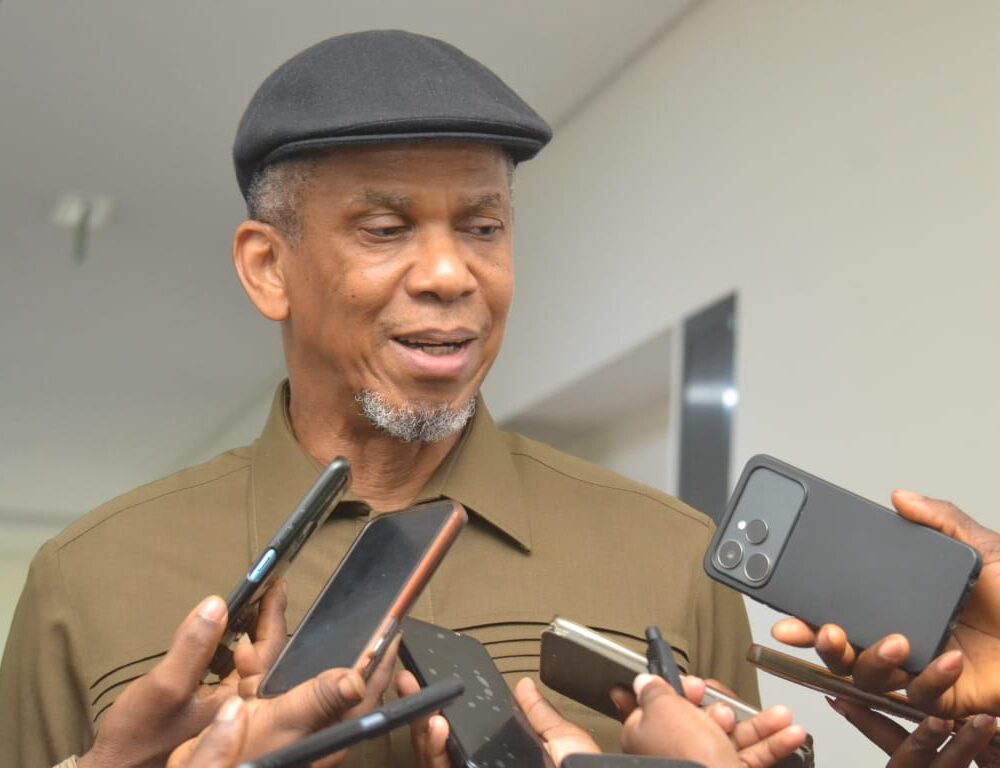
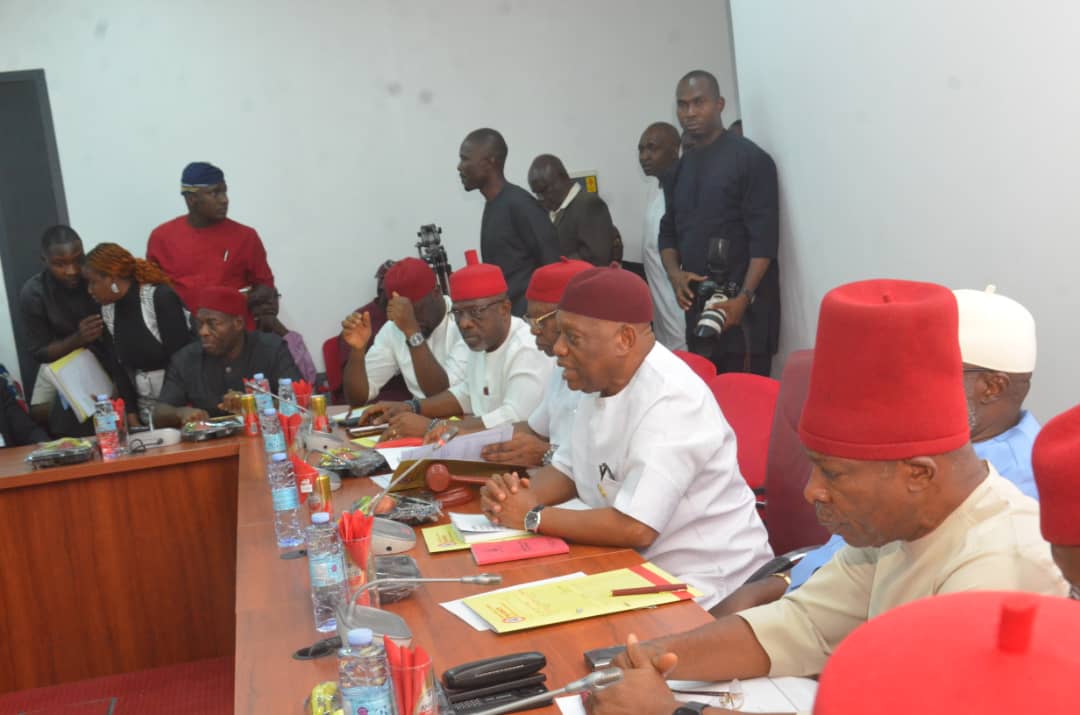
Managing Director of the Commission, Mark Okoye, disclosed this during the Commission’s budget defence before the Senate Committee on South-East Development Commission, chaired by Senator Orji Uzor Kalu.
Okoye described the engagement with lawmakers as constructive and insightful, noted that the Commission deliberately devoted its first year to building institutional structures and strategic frameworks necessary for sustainable regional transformation.
According to him, activities undertaken in 2025 focused on developing a comprehensive regional roadmap through extensive consultations with federal agencies, academia, civil society organisations, diaspora groups, development finance institutions and private sector stakeholders. These engagements, he explained, provided the foundation required for effective execution before the deployment of large-scale capital projects.
He also expressed appreciation to President Bola Ahmed Tinubu for establishing the Commission in 2024, describing the move as the culmination of decades of advocacy by stakeholders seeking a coordinated development mechanism for the South-East. He further commended the National Assembly for providing legislative backing through the enabling law.
Providing insight into the proposed budget, the SEDC Managing Director said about three-quarters of the allocation would be dedicated to capital expenditure, underscoring the Commission’s focus on infrastructure and long-term economic growth. He explained that beyond long-range projections, the Commission has developed a short-term action framework expected to deliver early results through the activation of operational structures, investment mobilisation initiatives, agricultural development programmes and grassroots sports infrastructure projects.
Okoye clarified that the Commission’s mandate centres on region-wide strategic interventions aligned with presidential directives, rather than projects traditionally handled by state or local governments. He noted that SEDC intends to focus on transformative infrastructure capable of driving regional integration, including reference healthcare facilities, rail connectivity, energy systems, gas infrastructure and coordinated security architecture.
He added that the Commission’s development blueprint aligned with the Federal Government’s Renewed Hope Agenda and reflects contributions from governors, lawmakers and other regional stakeholders. According to him, the pioneer leadership of the Commission is focused on building strong institutions that will sustain development outcomes beyond the tenure of the current management.
During the session, members of the Senate Committee stressed the importance of transparency, accountability and impact-driven spending. Senator Tony Nwoye urged the Commission to prioritise investments that directly improve social services such as education and healthcare, while Senator Patrick Ndubueze emphasised the need for legacy projects capable of delivering lasting regional benefits.
In his remarks,Chairman of the Committee, Orji Kalu, reaffirmed the Senate’s commitment to rigorous oversight, noted that accelerating economic development in the South-East remains a matter of national importance.