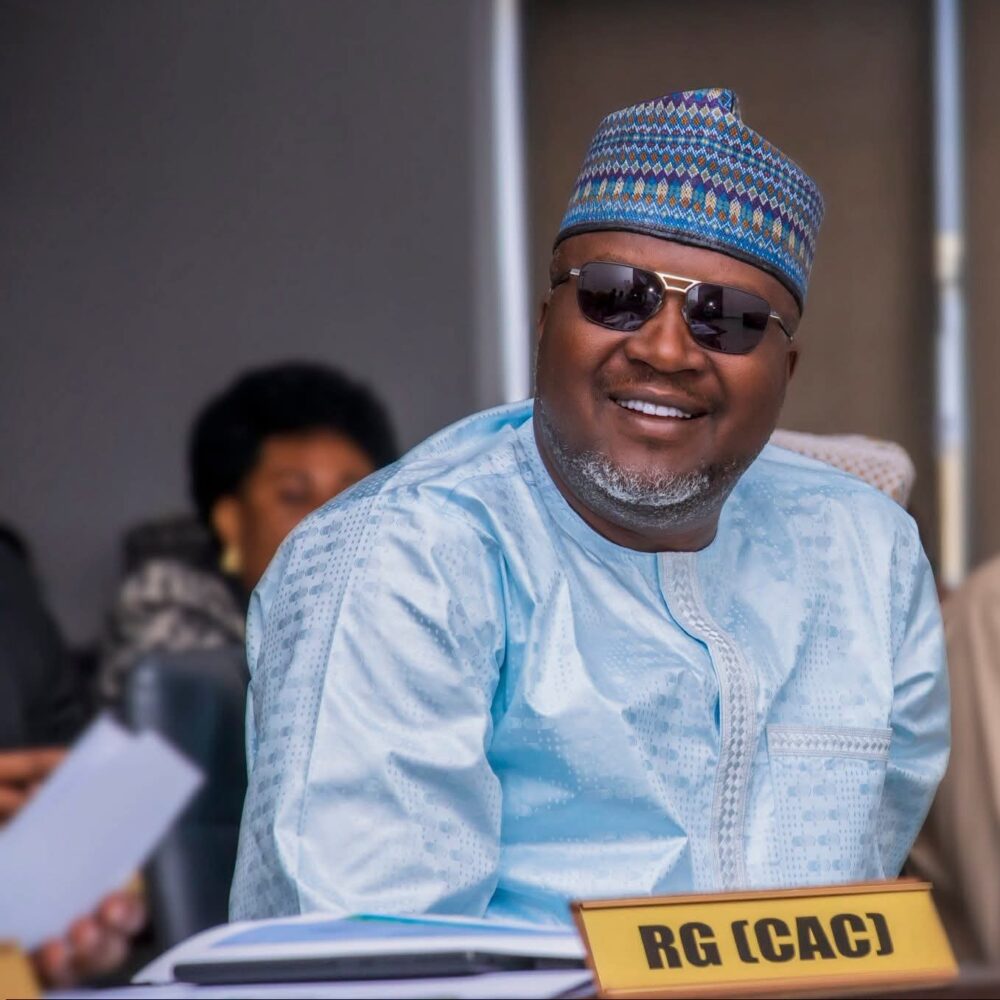
The Senate has stepped back from recommending the removal of the Corporate Affairs Commission (CAC) Registrar-General, Hussein Ishaq Magaji , but raised serious concerns over his disregard for legislative oversight and a ₦7 billion discrepancy in the agency’s revenue reporting.
The Finance Committee had earlier threatened to write to President Bola Tinubu seeking Magaji’s removal after he repeatedly ignored Senate invitations, opting to send junior officers instead.
“You have been reluctant in responding to our correspondences. Whenever we invite you, you send a junior officer to meet with the Senate of the Federal Republic of Nigeria,” the Committee Chairman said, emphasizing the National Assembly’s constitutional role in overseeing all revenue-generating agencies.
Magaji eventually appeared only after the committee warned of escalation to the full Senate. While he apologized, citing miscommunication and late receipt of invitations, lawmakers stressed that executive agencies must not take the legislature lightly.
The committee’s review of CAC’s finances uncovered a significant gap. The Commission reported generating ₦53 billion in 2025 and remitting 50 per cent to the Consolidated Revenue Fund. Senators noted that the remittance figures implied revenue exceeding ₦60 billion a shortfall of roughly ₦7 billion. Lawmakers also questioned the legality of CAC retaining half of its revenue and criticized its reference to a “voluntary fund” for outstanding obligations dating back to 2021. “If it is an obligation, it is not voluntary. It is mandatory,” a senator noted.
The Finance Committee directed Magaji to return with a full breakdown of 2024 and 2025 revenue, variance analysis, assumptions behind 2026 projections, and comprehensive details of all outstanding remittances.
Although the immediate recommendation for removal was withdrawn, CAC remained under close scrutiny. Senators warned that further action could follow if discrepancies are not satisfactorily addressed, while some called for leniency, urged justice to be tempered with mercy. The overarching message, however, was clear: disrespect for the legislature and poor financial accountability will not be tolerated.