
By James Isaac, Abuja
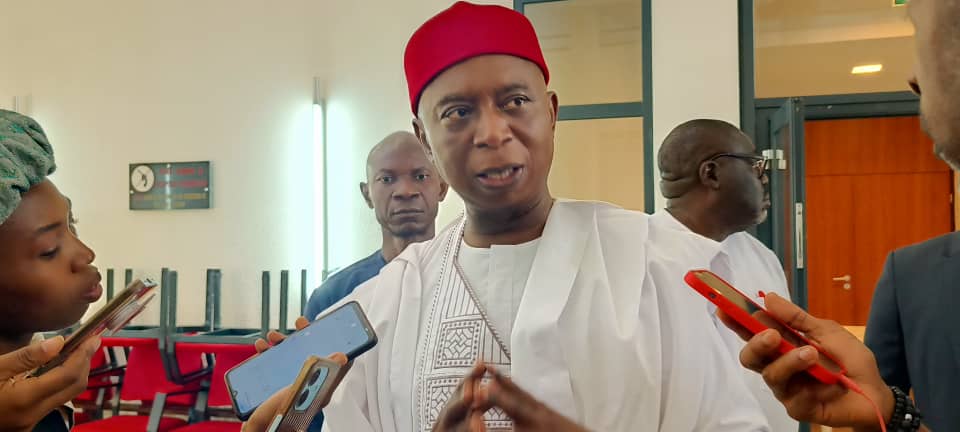
The Nigerian Senate has inaugurated a bold initiative to confront historical injustices through the Senate Committee on Reparations and Repatriations, chaired by Senator Ned Munir Nwoko.
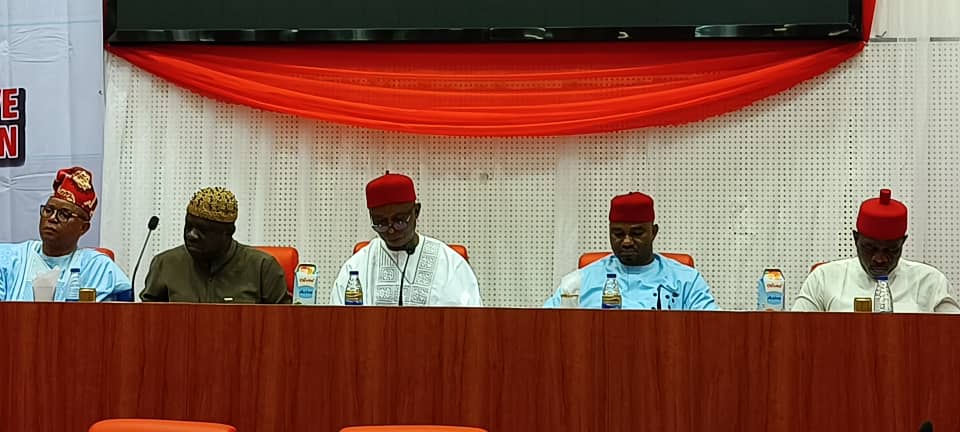
The committee is tasked with addressing the lingering consequences of slavery and colonialism, including the recovery of cultural artefacts looted during colonial conquests and illegal trade.
Senator Nwoko emphasized that the committee’s assignment goes beyond symbolism. It is a structured, evidence-driven effort to confront both historical and ongoing systemic injustices against Nigerians and the African diaspora.
“We are empowered to investigate local and international injustices past and present and make concrete recommendations for compensation and redress,” Nwoko stated.
The committee’s mandate spanned a wide range of sectors, tackling cases of environmental degradation, human rights violations, corporate abuses, and government negligence. Highlighted concerns include oil pollution in the Niger Delta, extrajudicial killings, lead poisoning in Zamfara, and mass displacements such as the Daki Biyu demolitions.
Senator Nwoko noted that the committee would not intervene in matters currently before the courts, urging litigants to consider withdrawing such cases if they wish to benefit from the committee’s engagement.
“We will deal with cases involving military abuse, multinational corporations, or government failures. Our door is open to all Nigerians and Africans seeking justice, as long as the matter is not under judicial consideration,” he added.
To enhance its work, the committee has appointed Chukwuebuka Anyaduba a development strategist and cultural advocate as a consultant. Anyaduba will provide strategic guidance on stakeholder engagement, international cooperation, and public communication, especially in advancing advocacy for the return of stolen artefacts and pursuing reparative justice.
The committee also planned to work closely with professionals across multiple disciplines—law, history, anthropology, economics, and diplomacy to create legal and policy frameworks aligned with international standards.
The repatriation of cultural assets looted during colonial rule forms a core aspect of the committee’s mandate. Through dialogue, diplomacy, and global partnerships, the Senate aimed to reposition Nigeria at the forefront of Africa’s movement to reclaim its stolen legacy and demand reparations for historical wrongs.
In his remarks, Senator Nwoko called on stakeholders—including legislators, civil society, legal experts, historians, and international partners to contribute towards developing a unified African stance on reparations.
“We must galvanize a common African front to demand the return of our heritage and redress for centuries of injustice,” he said.
The Senate’s effort aligned with ongoing global campaigns to correct the legacy of slavery, colonialism, and exploitation. By addressing these issues at home and advocating internationally, the committee signals Nigeria’s leadership in shaping a future built on justice, dignity, and cultural reclamation for generations to come.