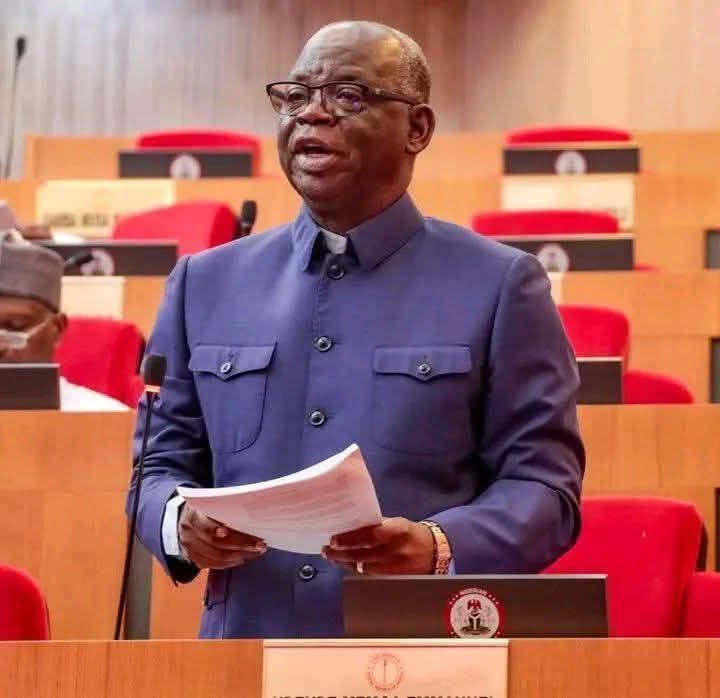

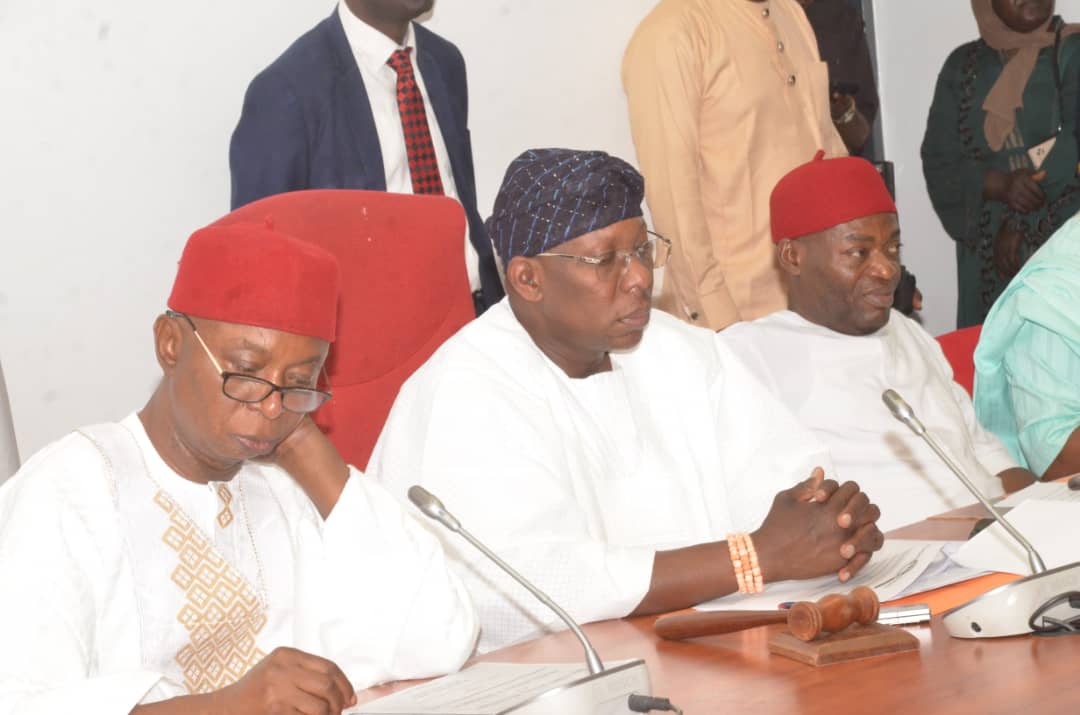
The Senate Committee on Environment has commenced the budget defence of the Federal Ministry of Environment as part of legislative scrutiny of the 2026 Appropriation Bill currently before the Nigerian Senate, with lawmakers called for enhanced funding to tackle growing environmental challenges across the country.
Speaking during the session, Chairman of the Committee, Senator Olubiyi Fadeyi, underscored the critical role of environmental management in safeguarding national health, economic stability and security, stressing that sustainability remains central to Nigeria’s long-term development agenda.
Fadeyi expressed concern over persistent underfunding of the Ministry and its agencies despite rising threats such as oil pollution, erosion, coastal flooding, deforestation, biodiversity loss and environmental degradation requiring urgent remediation.
He noted that although the Ministry recorded appreciable performance under its 2025 recurrent budget, capital project implementation suffered setbacks due to limited releases, explaining that warrants were issued without corresponding cash backing for major interventions.
According to the Ministry’s presentation, the proposed 2026 budget stands at ₦65.96 billion, largely mirroring the 2025 allocation in line with directives from the Budget Office of the Federation. A significant portion of the capital component is tied to externally supported programmes, including the Agro-Climatic Resilience in Semi-Arid Landscapes (ACReSAL) project, leaving limited fiscal space for other urgent environmental priorities.
The Committee Chairman therefore called for improved funding mechanisms and urged consideration of a Special Intervention Fund to strengthen the Ministry’s operational capacity. He also emphasised the importance of meeting Nigeria’s climate-related financial commitments to unlock international climate finance opportunities and deepen global environmental partnerships.
In his presentation, Minister of Environment, Hon. Balarabe Abbas Lawal, highlighted key interventions undertaken by the Ministry, including flood and erosion control projects, solar-powered boreholes, renewable energy initiatives, implementation of the national clean cooking policy, forest conservation programmes and strengthened inter-ministerial collaboration.
Lawal warned of the growing impact of rising sea levels on coastal communities, noting that several populations have already been displaced, while stressing the urgency of scaling up climate adaptation measures.
He further explained that the clean cooking policy aims to reduce deforestation, improve public health outcomes and minimise indoor air pollution affecting rural households, particularly women exposed to harmful cooking smoke.
The Committee assured the Ministry of continued legislative support while reaffirming its commitment to transparency, accountability and diligent oversight to ensure effective utilisation of public funds.
“The Senate Committee on Environment remains resolute in working collaboratively with the Executive to achieve a cleaner, safer and more sustainable Nigeria,” Fadeyi stated.