
By James Isaac
The Senate Committee on Health has commended the Federal Ministry of Health and Social Welfare for sustaining nationwide impact despite funding constraints, while expressing concern over recurrent doctors’ strikes and persistent gaps in emergency medical care across Nigeria.
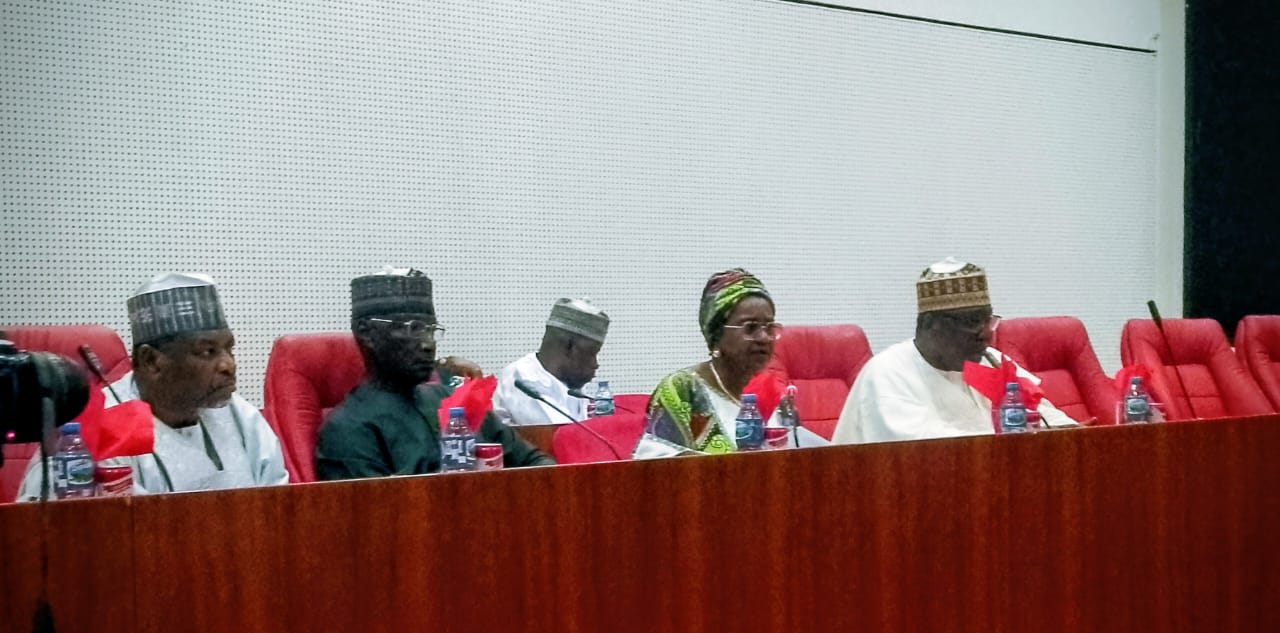
The commendation and concerns were raised on Friday as the ministry appeared before the committee for the defence of its 2026 budget proposal at the National Assembly.
Chairman of the committee, Senator Dr Ipalibo Harry-Banigo (Rivers West), praised the ministry’s visibility and interventions across the country, noted that its operations remained impactful despite zero or minimal fund releases in parts of 2025.
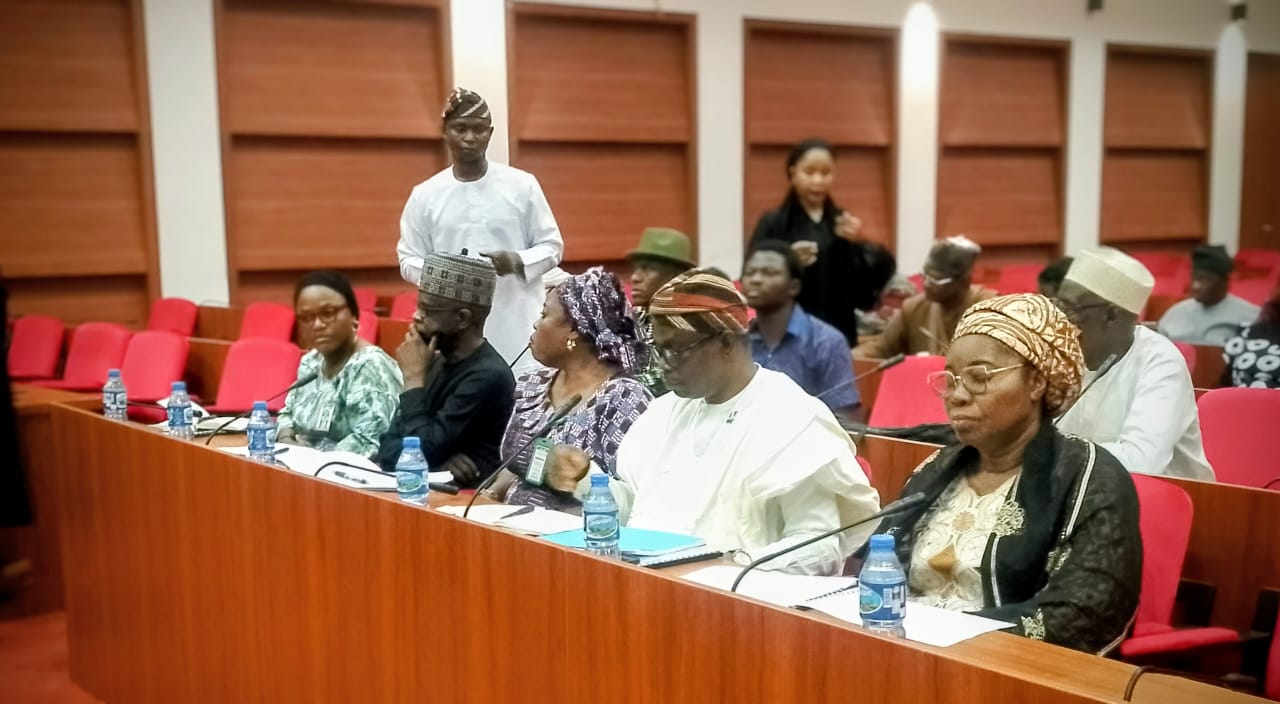
Presenting the ministry’s budget proposal, the Minister of State for Health and Social Welfare, Dr Iziaq Adekunle Salako, disclosed that ₦224.3 billion had been proposed for 2026. The allocation covers personnel, overheads and capital expenditure, including over ₦10 billion for personnel costs and ₦1.59 billion for overheads, alongside capital and multilateral and bilateral loan components.
Lawmakers, however, expressed strong reservations over the prolonged doctors’ strike recorded in 2025, which lasted nearly three months. They warned that such disruptions often worsen treatable conditions into life-threatening emergencies, urging the ministry to adopt more proactive mechanisms for resolving labour disputes in the health sector.
The committee also raised concerns over the state of emergency medical services nationwide, citing difficulties in accessing timely care for road accidents, stroke cases, snake bites and other emergencies, especially in rural and high-risk communities.
In his response, Salako acknowledged the severe impact of industrial actions on patients and the health system, assuring lawmakers that the ministry is strengthening frameworks to ensure continuity of essential health services during labour disputes.
He explained that the 2026 budget proposals were designed to reduce system-wide shocks, safeguard lives and guarantee uninterrupted essential services.
According to the minister, the ministry is prioritising reforms to improve service delivery, enhance coordination among health institutions and expand health insurance coverage to protect Nigerians from disruptions and financial hardship.
Salako further disclosed that health sector allocation has increased to about six per cent in the 2026 budget from approximately 5.8 per cent in the previous year, described the rise as modest but reflective of President Bola Tinubu’s commitment to strengthening the health sector.
On emergency care, he identified poor coordination rather than inadequate resources as the major challenge. He noted that ambulances operated by federal and state governments, hospitals and private providers currently function in silos.
He added that the Federal Government, through the National Emergency Medical Services and Ambulance System (NEMSAS), is working to integrate available ambulance resources nationwide to enable faster and more effective responses.
The minister assured the committee of sustained engagement with health sector stakeholders to prevent prolonged strikes, stressing that the protection of lives must remain the overriding priority in resolving industrial disputes.
Salako also thanked the Senate for its support, noting that the 2026 budget aligns with President Bola Tinubu’s agenda on universal health coverage, stronger primary healthcare and expanded health insurance.
While commending the ministry’s efforts, the committee warned that without improved funding releases, labour stability and coordinated emergency systems, budget defence exercises risk becoming “academic” with limited impact on Nigerians’ health outcomes.