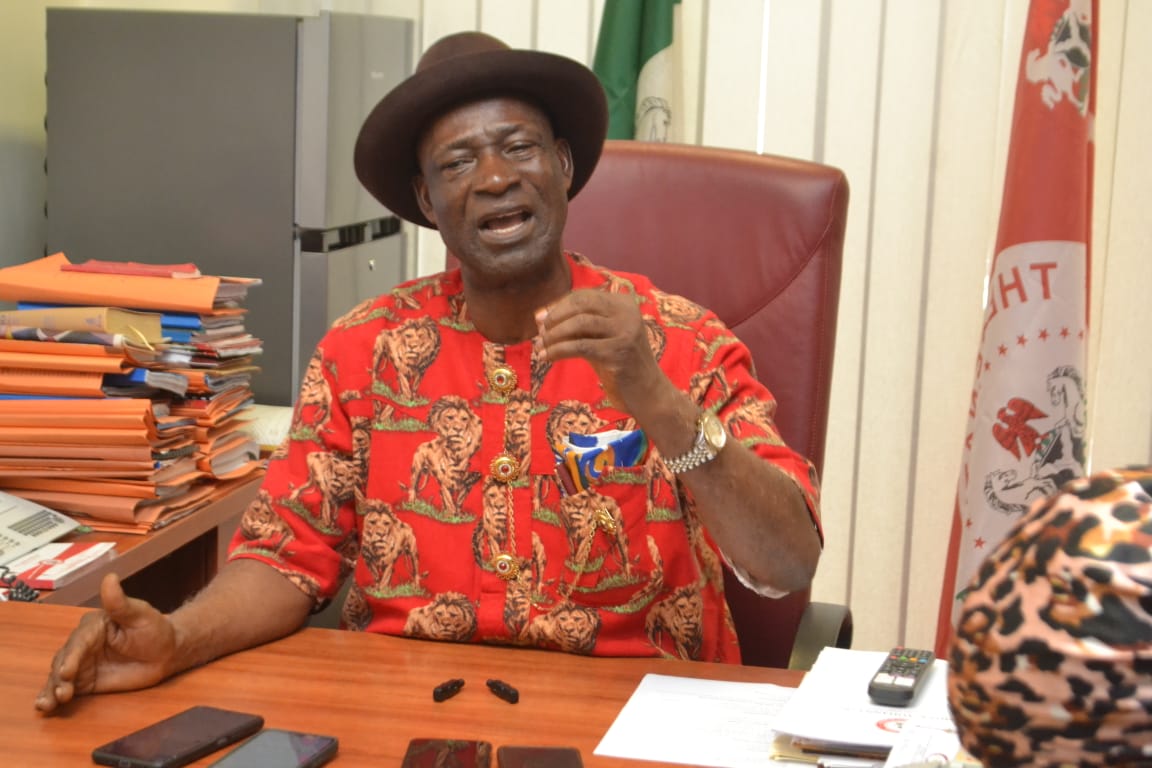
The lawmaker representing Bayelsa East Senatorial District, Senator Benson Sunday Agadaga, has thrown his weight behind the establishment of state police in Nigeria, describing decentralised policing as long overdue and necessary to confront the country’s growing security challenges.
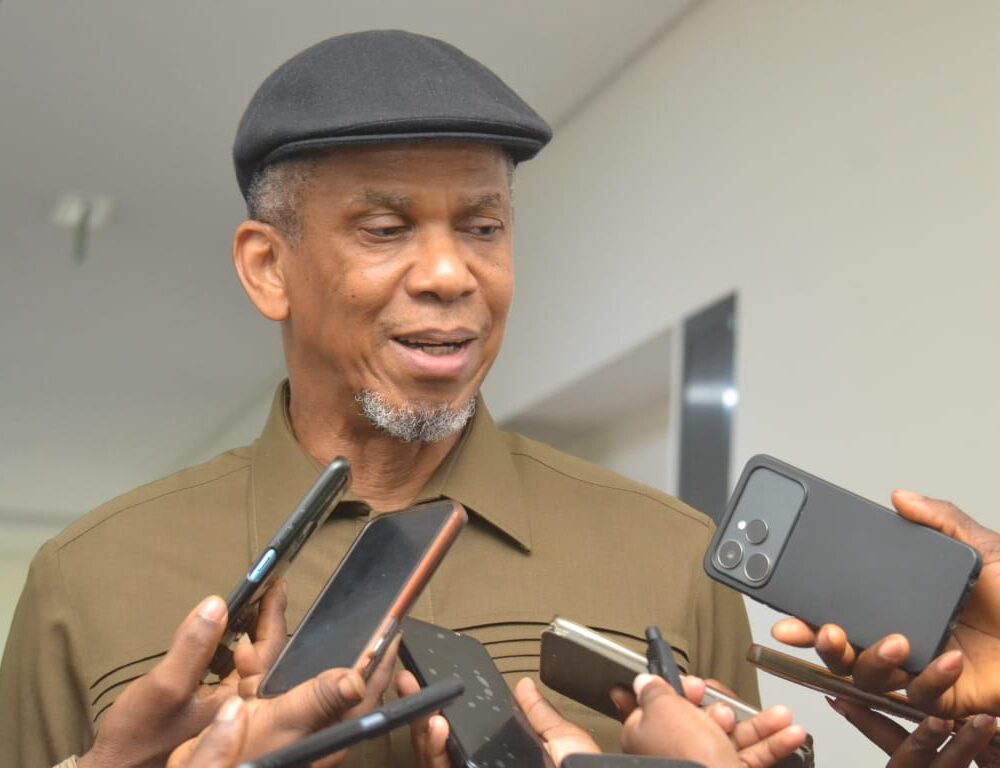
Speaking in an interview on the ongoing debate over policing reforms, Agadaga said the current security situation clearly demonstrates that Nigeria is ripe for the creation of state police structures.
According to the senator, the push for state policing is driven by the need for security personnel who understand the local terrain, culture, and security dynamics of their communities.
“State police is long overdue in Nigeria. The agitation of the people is that we should have police officers who understand the environment and can concentrate on the security of the states where they belong,” he said.
Agadaga noted that indigenous security personnel would be more effective in addressing crimes such as banditry, kidnapping, and attacks on rural communities because of their familiarity with the environment.
He cited the difficult terrains of the Niger Delta creeks as an example, explained that outsiders may struggle to navigate the complex waterways.
“If you have your indigenous people handling the security of their communities, they know the environment very well. For instance, someone who is not familiar with the winding creeks in the Niger Delta cannot effectively navigate them,” he added.
Addressing concerns that governors could abuse state police to intimidate political opponents or manipulate elections, the senator acknowledged the possibility but said such risks are not unique to state-controlled security structures.
According to him, even a federally controlled police force can be used for political advantage.
“If you say police should be owned by the federal government, the federal government can also use it to its advantage. Governors could also attempt to do that,” he said.
Agadaga suggested a hybrid policing model where both federal and state police operate under constitutional provisions that ensure proper oversight and accountability.
“We can have a Federal National Police and also have state police, with provisions that ensure proper supervision and accountability,” he said.
Despite potential concerns, the lawmaker maintained that the benefits of decentralised policing outweigh the risks.
“We need security first. People must be alive before anyone can even talk about elections or political advantage,” he stressed.
While expressing support for state policing, Agadaga revealed that he personally prefers a regional police system similar to what existed in Nigeria before 1966.
According to him, regional policing would reduce the risk of governors personalising security forces and would enhance coordination among neighbouring states.
“Personally, my initial intention was to push for regional police. Up till today, I believe it is a better option than state police,” he said.
He explained that many criminal activities cut across state boundaries, making regional coordination more effective.
“When someone is kidnapped in Bayelsa, the next moment they may be in Delta, Edo or Cross River. That shows the need for a coordinated regional security system,” he added.
However, he acknowledged that funding could become a challenge under a regional policing structure, as states may disagree on financial contributions.
On the security situation in Bayelsa State, Agadaga commended the current administration for maintaining relative peace and stability.
He attributed the improved security climate to cooperation among security agencies, including the police, navy and army, as well as regular security meetings, surveillance operations and community engagement.
“The police, navy and army are working cooperatively, and there are regular security meetings and surveillance activities,” he said.
The senator also emphasised the role of lawmakers in governance, noting that although legislators are not part of the executive arm, they remain committed to supporting policies and initiatives that improve the lives of Nigerians.
“We are lawmakers; we are not in the executive, but we continue to support initiatives and policies that will improve the lives of Nigerians,” he said.