
Nigeria has urged world leaders and global partners to scale up investment in eye health, warning that preventable blindness and visual impairment are fast becoming a major global challenge.
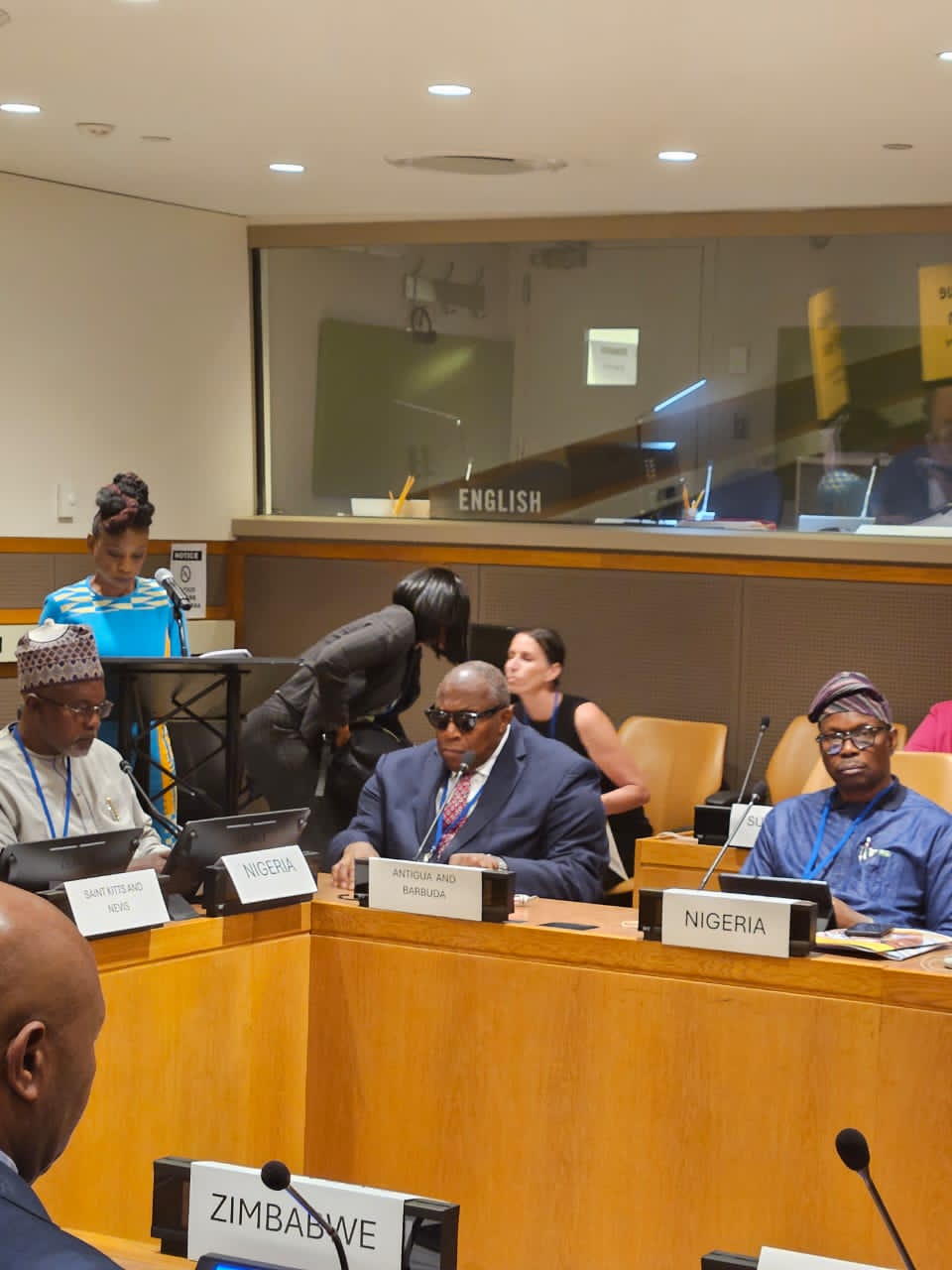
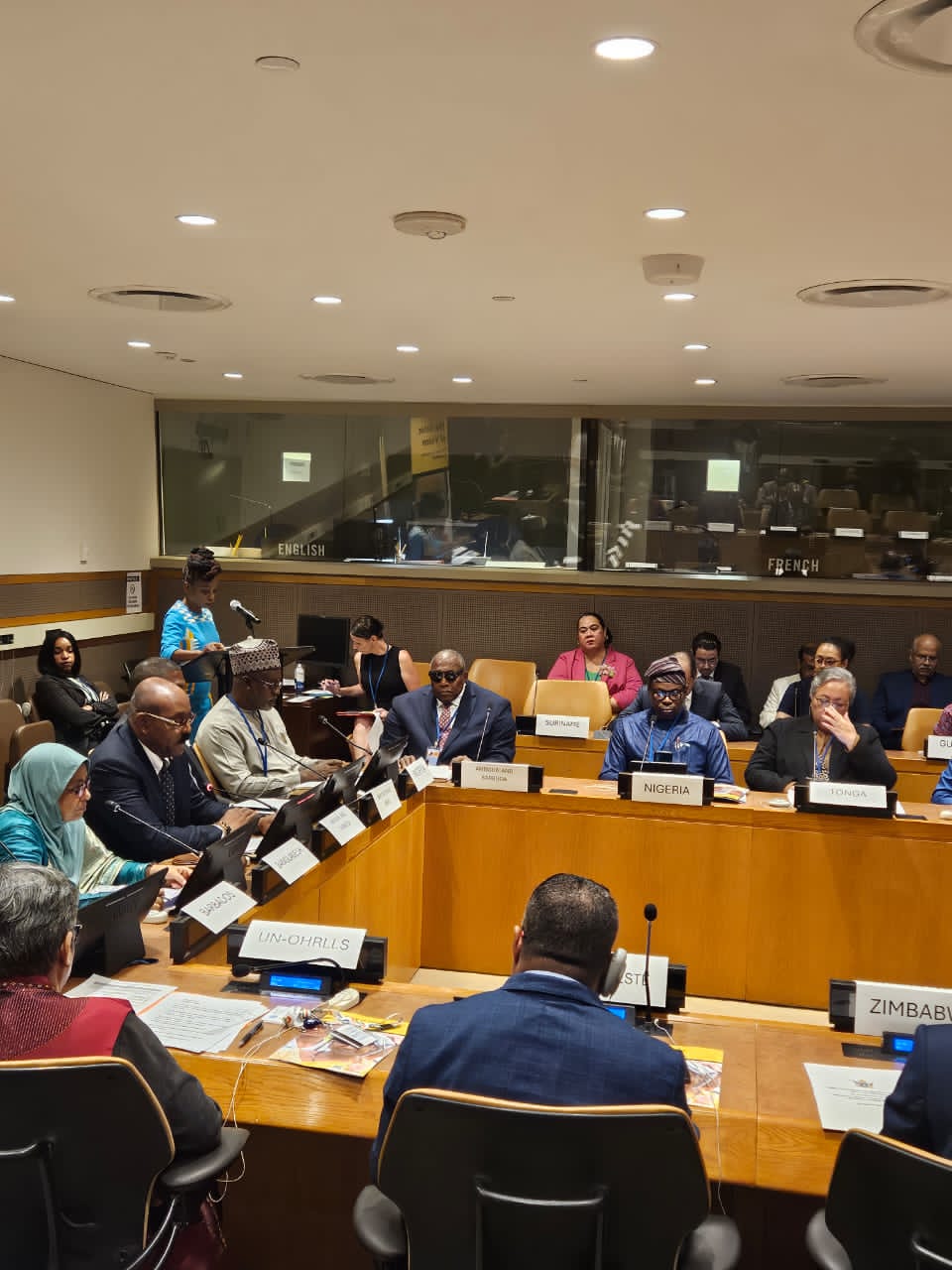
Minister of State for Health and Social Welfare, Dr. Iziaq Adekunle Salako, made the call on Wednesday at a high-level event, “The Value of Vision: The Case for Investment”, held at the United Nations Headquarters in New York on the sidelines of the 80th United Nations General Assembly (UNGA).
Speaking as co-host, Dr. Salako stressed that eye health is both a moral responsibility and an economic necessity, pointing out that millions worldwide live with preventable blindness that reduces quality of life and drags down economies.
He revealed that research shown every $1 invested in global eye care generates between $28 and $36 in socio-economic benefits. “Increased opportunities for education, productivity, reduced healthcare costs, and enhanced social inclusion are among the dividends of prioritizing eye care,” he said.
Nigeria, he explained, has taken bold steps to reduce avoidable blindness through the National Eye Health Programme, the National Eye Health Policy and Strategic Development Plan (2024–2028), and eye health desks across all states and the FCT.
Highlighting a flagship intervention, the Effective Spectacle Coverage Initiative (ESCIN–Jigi Bola 2.0), the Minister said nearly 1.5 million Nigerians have been screened, while over 1 million have received free reading glasses 66 percent of them for the first time. The initiative, aligned with President Bola Tinubu’s Renewed Hope Agenda, targets the distribution of 5 million spectacles and 25,000 free cataract surgeries by 2027.
He also disclosed that more than 2,200 primary healthcare workers have been trained to integrate eye care into Nigeria’s health system, ensuring sustainability of the programme.
“When we invest in vision health, we not only prevent blindness and enhance human dignity, but also create a pathway to detect broader health problems that burden society,” Dr. Salako added, while thanking the International Agency for the Prevention of Blindness and other development partners for their support.