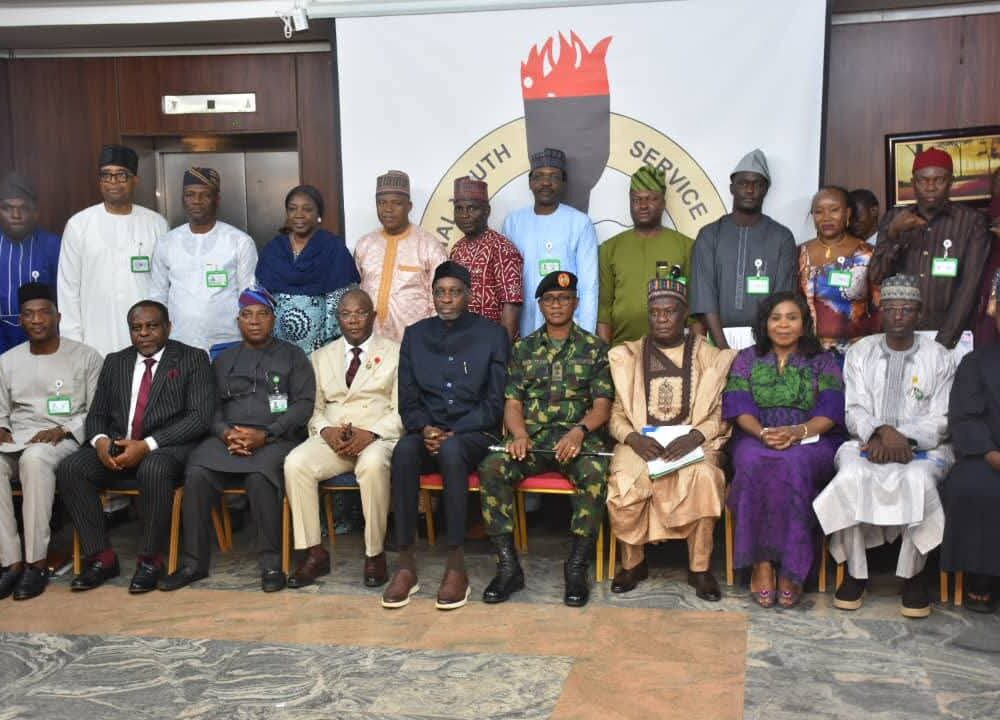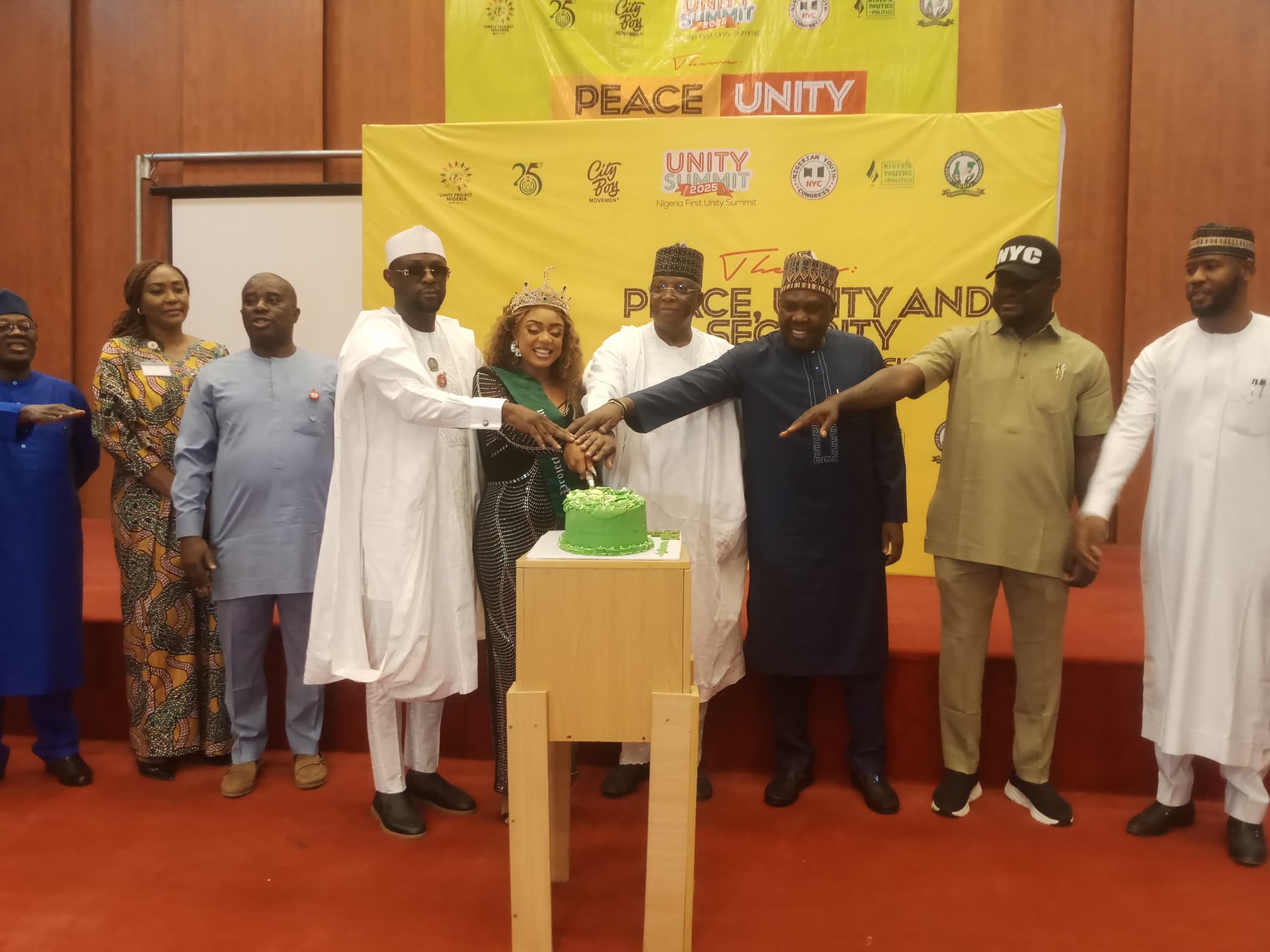
In a renewed push for national cohesion and national stability, government officials, youth leaders, peace advocates, development partners and civil society organisations converged in Abuja on Thursday for the Nigeria First Unity Summit 2025, calling for collective responsibility in addressing the country’s security and unity challenges.
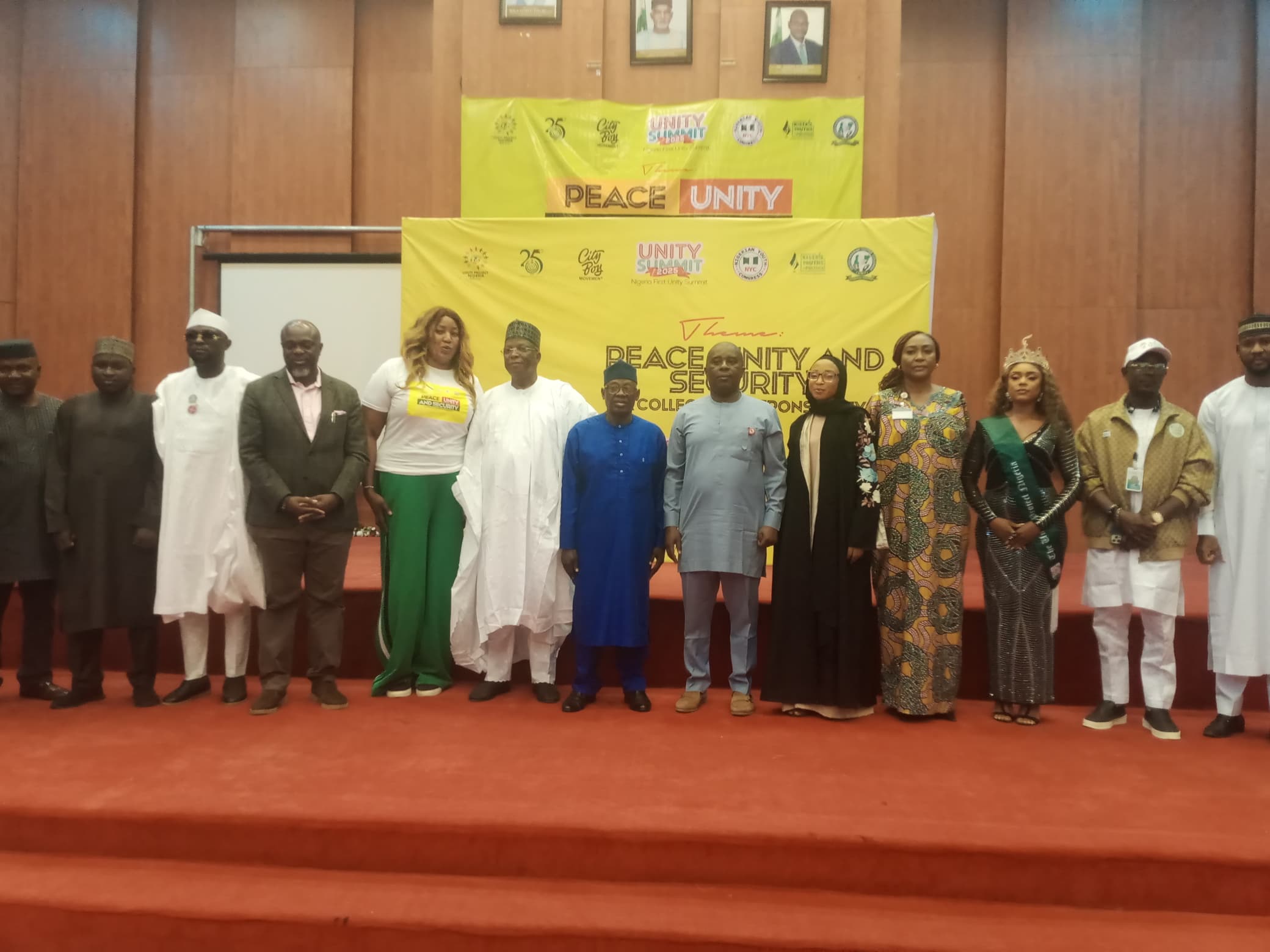
The Summit, themed “Peace, Unity and Security: A Collective Responsibility,” was organised by the City Boy Movement and emerged as one of the year’s most influential platforms advocating dialogue, responsible communication and citizen-led peacebuilding.
Delivering the welcome address on behalf of the Director-General of the Institute for Peace and Conflict Resolution (IPCR), Dr. Emmanuel Mamman, Director, emphasised the importance of sustained dialogue, peace education and early conflict prevention in strengthening national unity. He noted that the Summit alignys with IPCR’s mandate to promote understanding and reinforce Nigeria’s social fabric across its diverse communities.
Speaking at the event, the Special Adviser to the President on Media and Public Communications, Dr. Daniel Bwala, warned that misinformation, hate speech and divisive narratives have become powerful tools capable of undermining national stability. He stressed that responsible communication is now central to national security, adding that careless narratives can inflame tensions and erode public trust.
Dr. Bwala reaffirmed President Bola Ahmed Tinubu’s commitment to transparent governance, national unity and strengthened public confidence, clarifying that Nigeria is not facing a religious or ethnic war but a unified struggle against criminal elements seeking to undermine peace and order. He urged young Nigerians to deploy their growing influence on digital platforms responsibly, stating that the story of Nigeria must be told with truth, balance and dignity.
Also addressing participants, the Chairman of the Governing Board of the Federal Roads Maintenance Agency (FERMA), Dr. Musa Babayo, highlighted the strong connection between national security, infrastructure development and economic growth. He explained that insecurity not only claims lives but also disrupts transportation corridors, economic activities and social integration, stressing that unity remains non-negotiable for Nigeria’s survival.
According to him, without peace, development is impossible, and without collective responsibility, peace is unattainable. He reaffirmed FERMA’s commitment to safer federal roads, describing them as critical to military operations, humanitarian response, trade facilitation and national cohesion, while calling on Nigerians to reject divisive rhetoric and embrace responsible citizenship.
In his remarks, the Director-General of the City Boy Movement, Francis Oluwatosin Shoga, described insecurity across the country as a national emergency rather than genocide or ethnic cleansing. He said criminal elements threatening peace do not discriminate along ethnic, religious or regional lines and warned the international community against misinterpreting Nigeria’s security situation.
Shoga urged Nigerians to reclaim control of the national narrative, insisting that the country’s challenges are not a contest between regions or faiths but a collective fight for stability. He commended President Tinubu and the nation’s security agencies for their ongoing efforts to restore peace and encouraged citizens to support peace initiatives at both governmental and community levels.
Delivering the keynote address, Mr. Chukwemeka Mbah underscored the growing influence of youths and social media in shaping national identity and public perception. While acknowledging the power of digital platforms to mobilise and educate, he cautioned that their misuse could fuel misinformation, hate speech and political manipulation. He challenged young Nigerians to become digital peace ambassadors, noting that national unity increasingly begins with the content individuals create and share online.
A panel discussion at the Summit examined the impact of social media on peace and conflict, with experts addressing cyberbullying, misinformation, hate speech and the responsibility of digital platforms in nation-building. Participants agreed that while social media remains a powerful tool, its responsible use is essential for promoting peace and national development.
The Nigeria First Unity Summit 2025 concluded with a renewed commitment by stakeholders to promote unity, peace and responsible citizenship. Participants departed with a shared understanding that Nigeria’s path to lasting stability will be shaped not only by government initiatives and security operations but by the everyday actions, voices and unity of its people.