
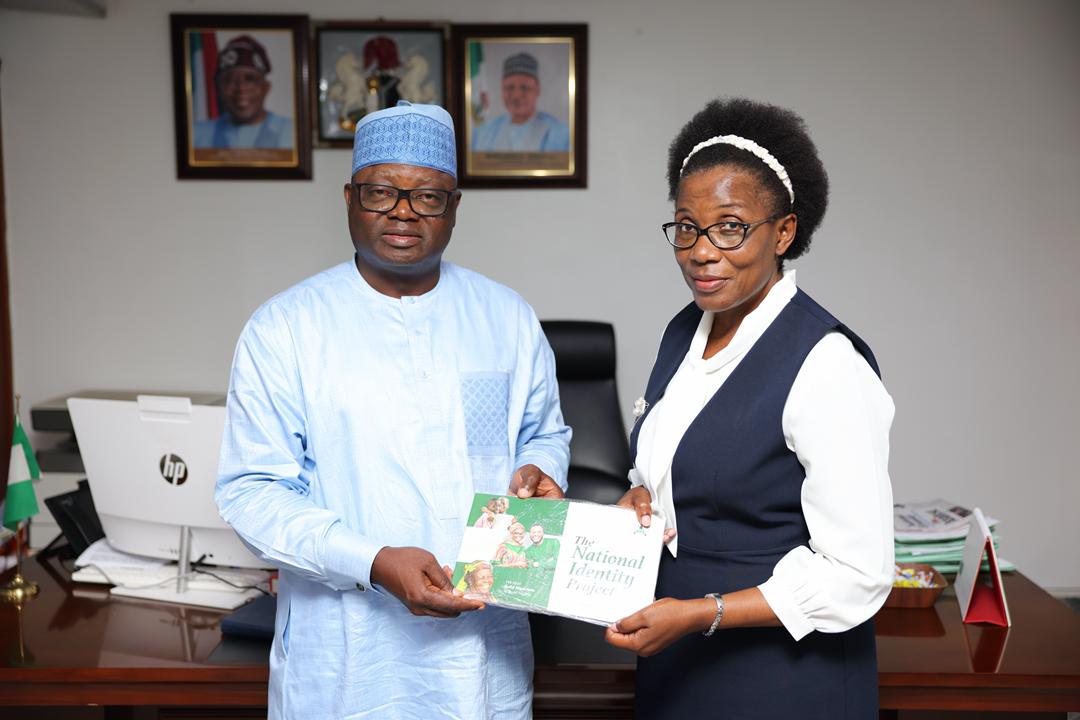
The Zambian Government has expressed interest in adopting and adapting Nigeria’s National Values Charter, a key component of the proposed Nigerian Identity Project recently approved by the Federal Executive Council (FEC).
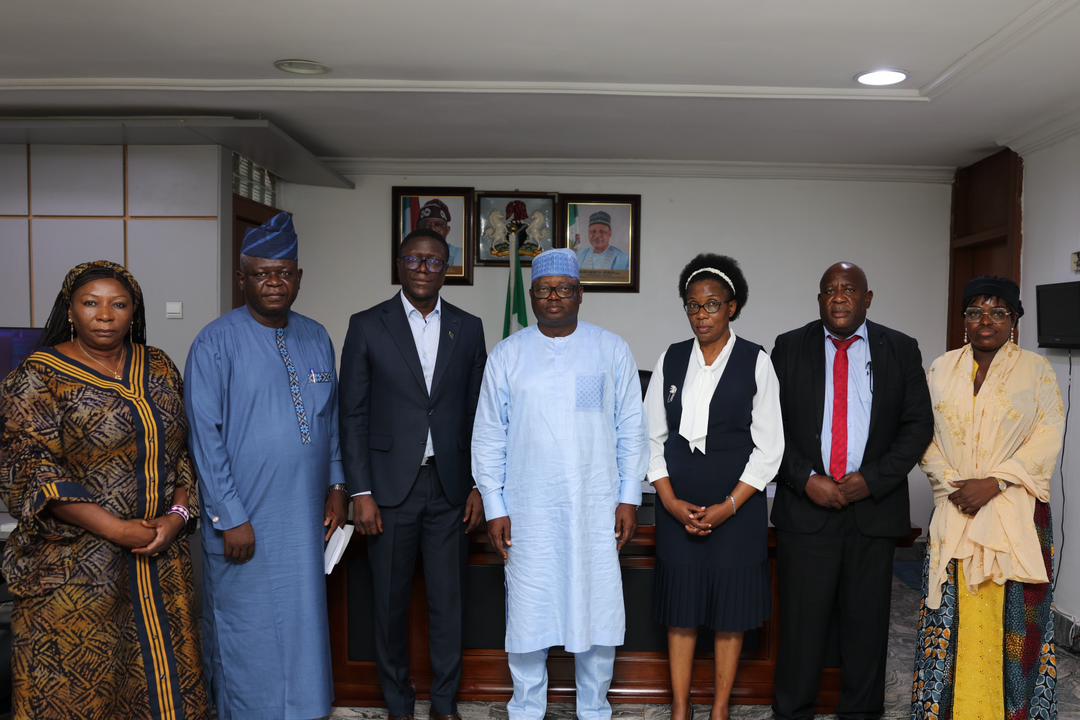
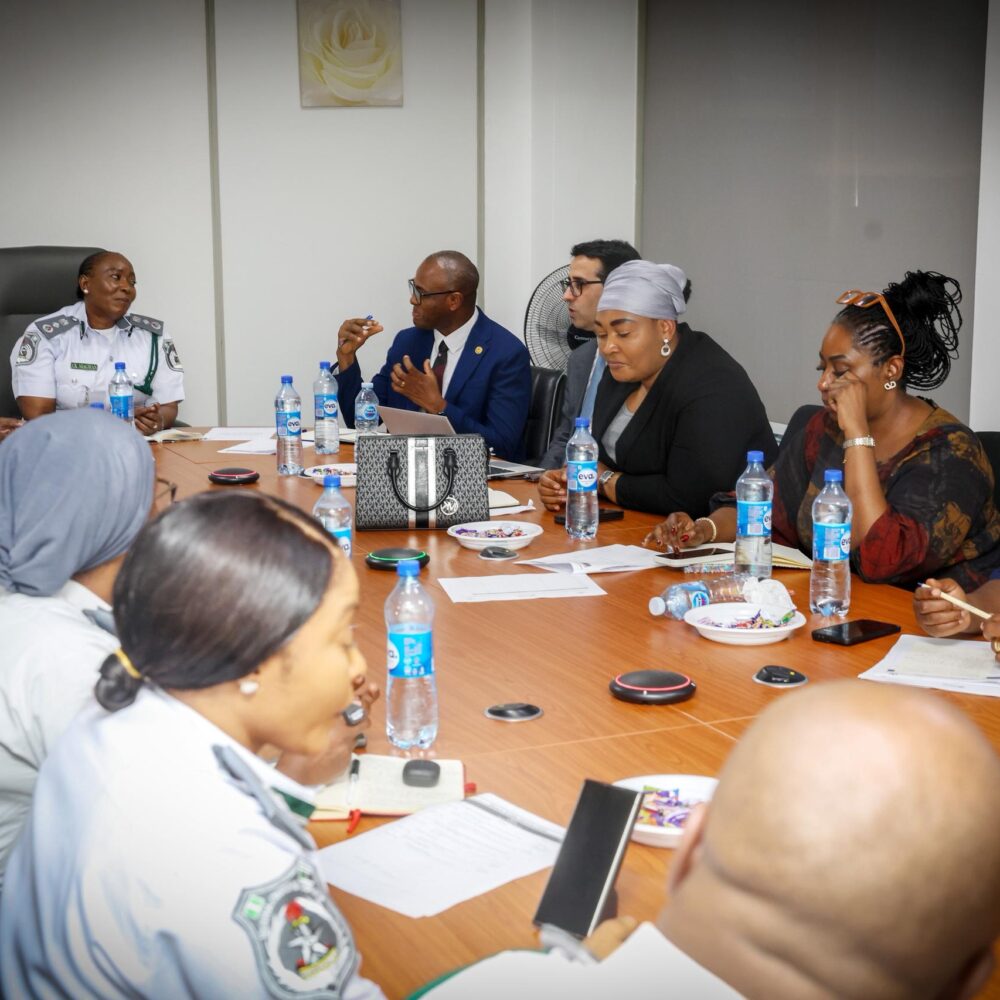
This followed a high-level meeting between officials of the National Orientation Agency (NOA) led by its Director General, Mallam Lanre Issa-Onilu, and a delegation from the Zambian High Commission in Nigeria led by Mrs. Jenipher Mutembo, the Deputy High Commissioner. The engagement, held at the NOA headquarters in Abuja, marked the second round of consultations between both countries on institutional collaboration in civic reorientation and value-based governance.
Welcoming the visiting delegation, Mallam Issa-Onilu provided an overview of the NOA’s expansive operational structure, describing it as one of Nigeria’s largest federal agencies with 818 offices spread across all 774 local government areas, the 36 states, and the Federal Capital Territory.
“The NOA serves as a vital communication bridge between government and citizens,” the DG explained. “We promote patriotism, civic responsibility, and unity while ensuring that citizens’ feedback informs national decision-making and policy design.”
He further highlighted the growing regional interest in Nigeria’s orientation model, recalling his encounter with the Gambian High Commissioner in London, who also expressed curiosity about the NOA’s work and potential for broader African partnerships.
Issa-Onilu noted that leadership in Africa must transcend politics to include traditional, civil, and moral leaders who help shape collective national values and social behaviour.
In her remarks, Mrs. Jenipher Mutembo commended Nigeria’s pioneering work in institutionalising civic education and grassroots mobilisation, describing the NOA as a model of effective public communication.
“I must commend your presence in every local government area. This grassroots model is powerful and offers valuable lessons for other African nations, Zambia included,” she said.
The Deputy High Commissioner applauded the NOA for opening its doors to Zambia to observe and learn from its operations, noted that the Agency’s structured approach to national reorientation could inspire Zambia’s efforts in civic renewal and behavioural change. She underscored the importance of shared African values, youth influence, and responsible media portrayal in shaping collective identity.
“Nigeria is the cultural giant of Africa, and Nollywood is one of your strongest exports,” Mrs. Mutembo added. “However, there is concern among Zambian youths about recurring themes of rituals and superstition in some productions. What we portray on screen affects how our young people define success, morality, and identity. As leaders, we must ensure that media content promotes unity, innovation, dignity, and pride in our African heritage.”
She also proposed a formal technical cooperation framework between Zambia and Nigeria to enhance collaboration in civic education, cultural diplomacy, media content exchange, and grassroots mobilisation.
Mrs. Mutembo reaffirmed Zambia’s commitment to strengthening bilateral relations with Nigeria and lauded the NOA’s strategic leadership, describing it as a reference point for her country’s efforts to institutionalise national values and responsible citizenship.
“Nigeria’s investment in structured national orientation offers a model worth emulating,” she said. “Zambia is eager to adopt aspects of this framework to promote behavioural change, civic responsibility, and active public participation in governance for sustainable development.”