The Nigeria Customs Service (NCS) has called for legislative reforms to Nigeria’s customs laws to align the country’s trade framework with evolving global practices and strengthen its ongoing digital transformation.

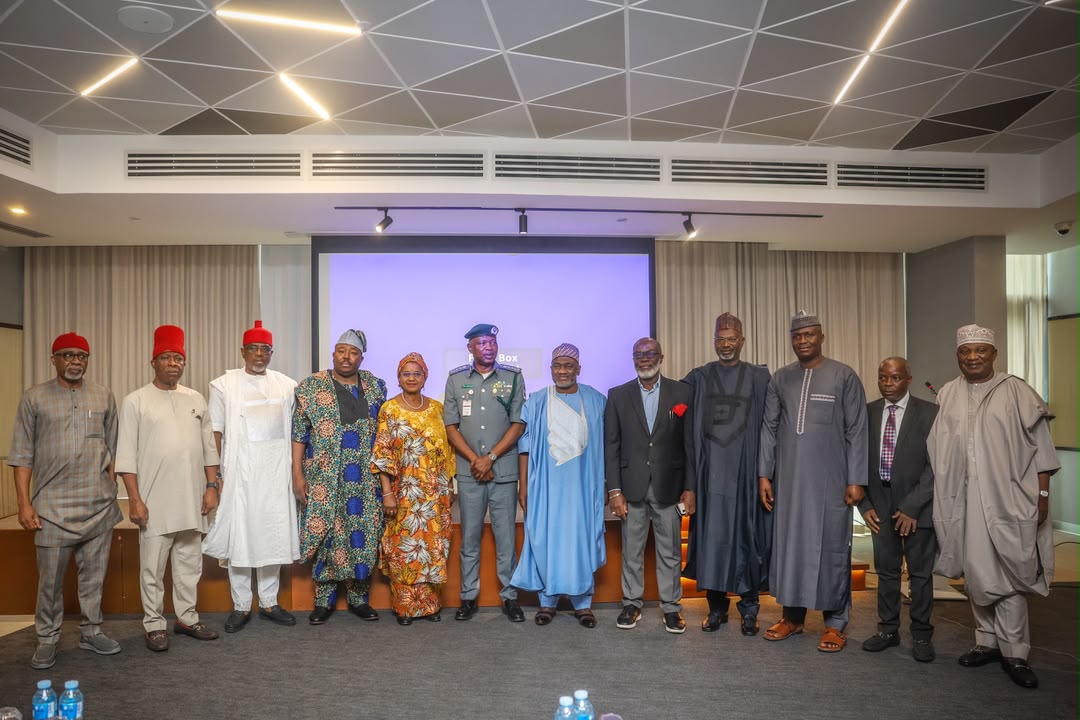
The Comptroller-General of Customs (CGC), Adewale Adeniyi, made the call at a capacity-building retreat organised for members of the Senate Committee on Customs, Excise and Tariffs on August 5, 2026.
Adeniyi said the retreat was designed to deepen lawmakers’ understanding of modern customs operations and bridge information gaps that could affect effective legislative oversight of the Service.
He explained that a comprehensive understanding of the NCS modernisation agenda would enable the Senate committee to evaluate the Service’s reforms from an informed perspective and provide the statutory backing required to sustain the transformation.
According to him, some provisions of the existing customs law have continued to serve their purpose, while others have become difficult to apply or have been overtaken by rapid changes in the global trading environment.
“While some provisions had worked as intended, others had proved difficult to apply or had been overtaken by the rapidly changing trade environment. We are requesting considerable amendments to ensure the Act remains relevant to fast-moving trade policies and supports the Service’s modernisation agenda,” Adeniyi said.
The Customs boss noted that the Service enjoys strong support from President Bola Ahmed Tinubu and the NCS Board under the Minister of Finance and Coordinating Minister of the Economy, Taiwo Oyedele.
However, he stressed that long-term stability required statutory reinforcement through legislative protection capable of sustaining the reforms beyond any single administration.
Adeniyi said the proposed legal reforms would help provide the institutional stability needed to consolidate the Service’s transformation and ensure that Nigeria’s customs framework remains responsive to developments in international trade.
Highlighting the scope of the modernisation programme, the Deputy Comptroller-General of Customs in charge of Human Resources Development, Tijani Abbey, outlined several initiatives being implemented by the Service.
They included the deployment of the indigenous B’Odogwu Trade Management System, intelligence-driven post-clearance audits, the Authorised Economic Operator (AEO) Programme, coordinated border management and end-to-end digital process integration.
Abbey said the initiatives were designed to improve revenue collection, facilitate legitimate trade, enhance operational efficiency and strengthen national security.
Responding, the Chairman of the Senate Committee on Customs, Excise and Tariffs, Senator Isah Jibrin, commended the NCS for surpassing its revenue targets despite operational challenges.
Jibrin assured the Service of the National Assembly’s readiness to provide the necessary legislative backing to sustain its momentum and address challenges requiring statutory intervention.
“What you need to do is to identify your challenges, try to address them as much as possible, so as to have a much more robust, inclusive, and beyond-budget performance. Where you require legislative backing, please do not hesitate to call on us,” he said.
The committee chairman also congratulated CGC Adeniyi on his re-election as Chairperson of the World Customs Organisation (WCO) Council.
He described the achievement as a testament to Nigeria’s growing influence in global trade and customs administration.
Jibrin said the development further underscored the need to strengthen Nigeria’s customs institution and ensure that its legal and operational frameworks remain responsive to changing trends in international trade.