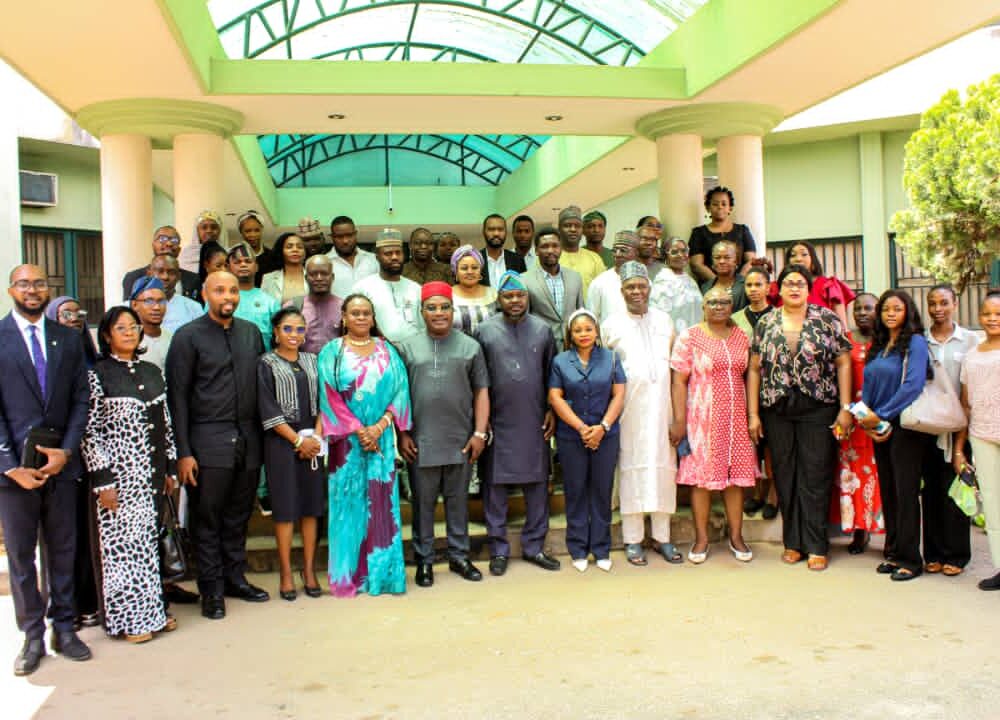

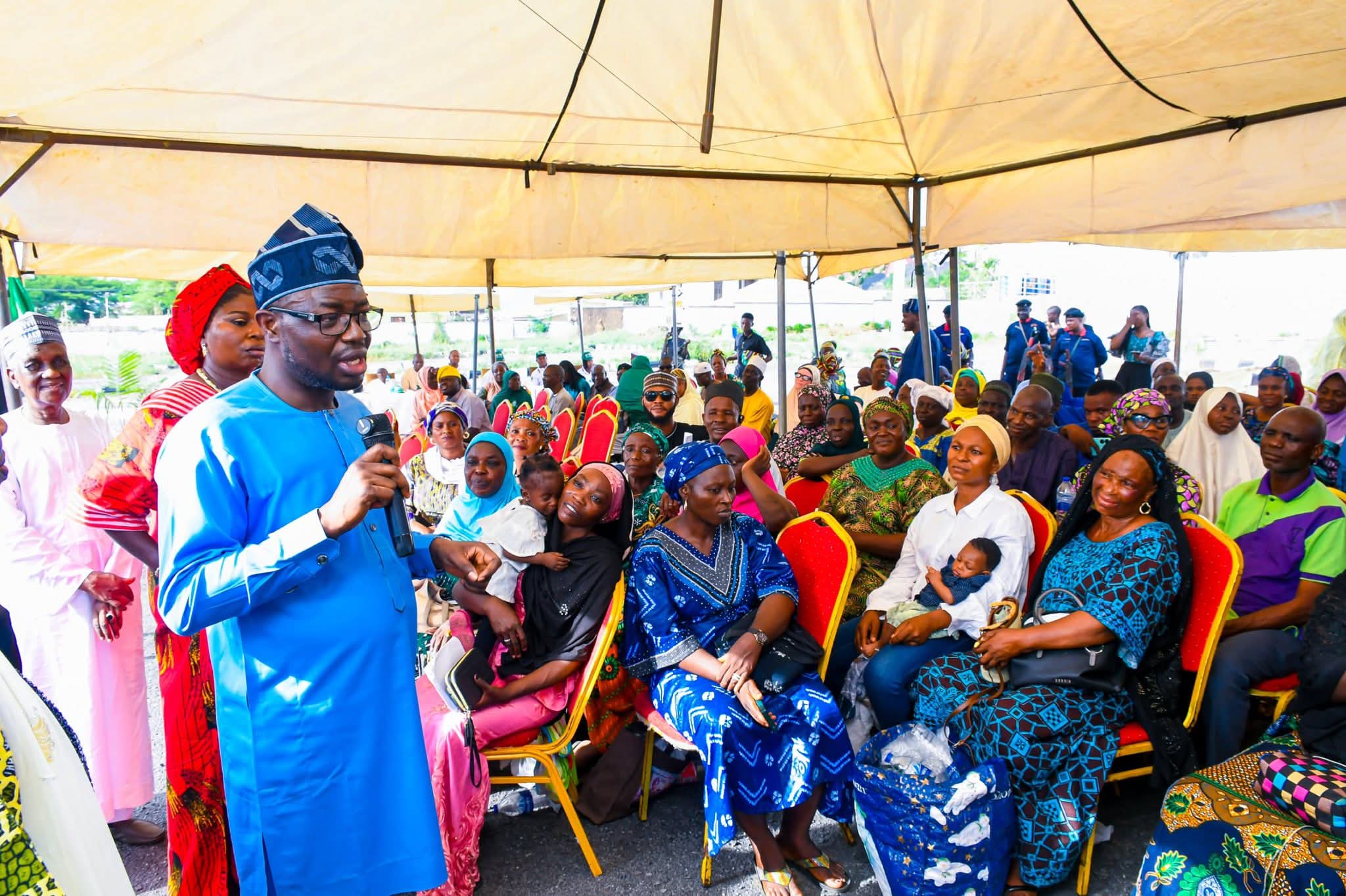
The Federal Government has reaffirmed its commitment to strengthening Nigeria’s social protection system and advancing a structured pathway for poverty exit, as the Minister of Humanitarian Affairs and Poverty Reduction, Dr. Bernard M. Doro, led a high-level beneficiary and stakeholder engagement in Kwara State.
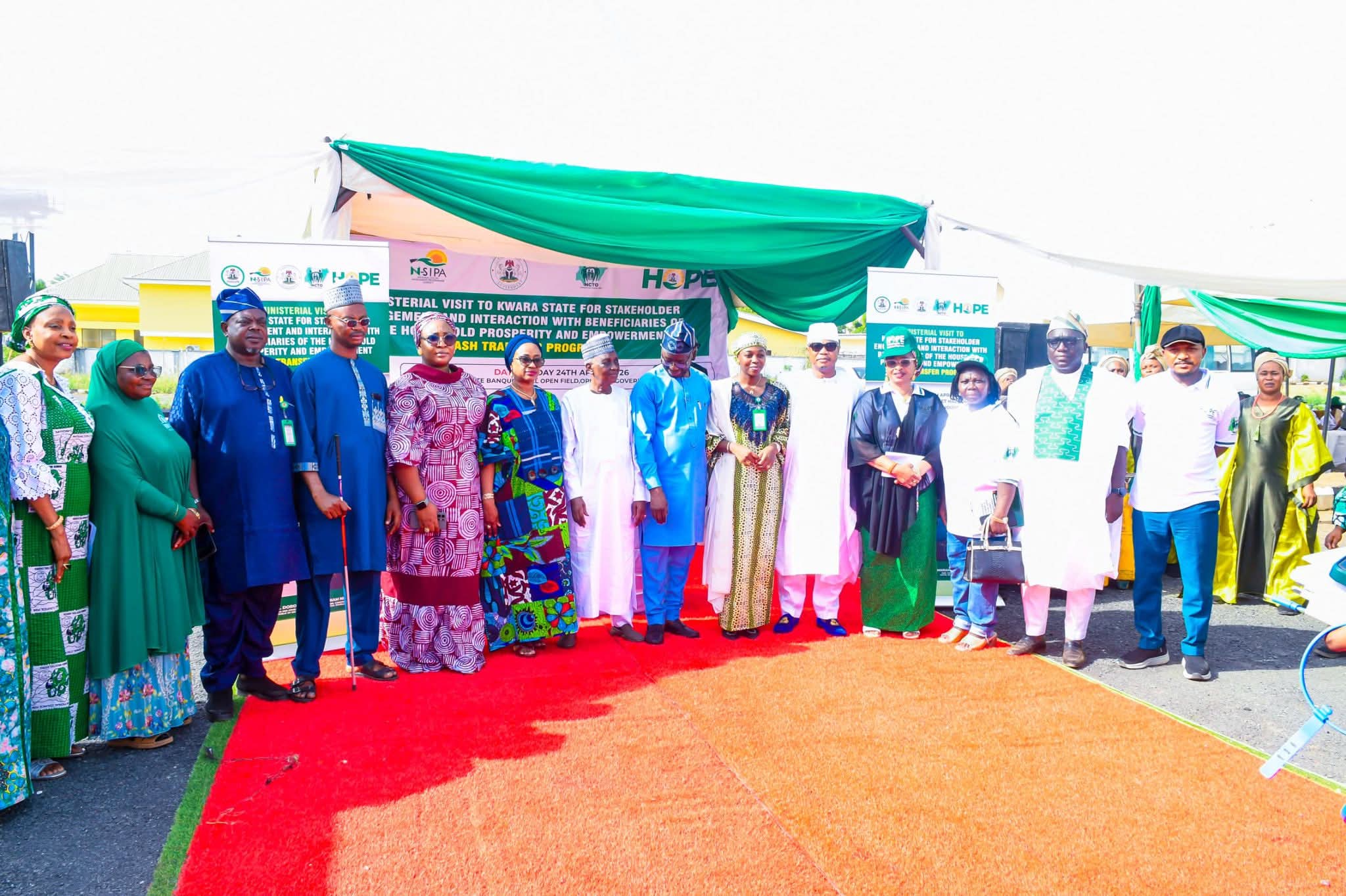
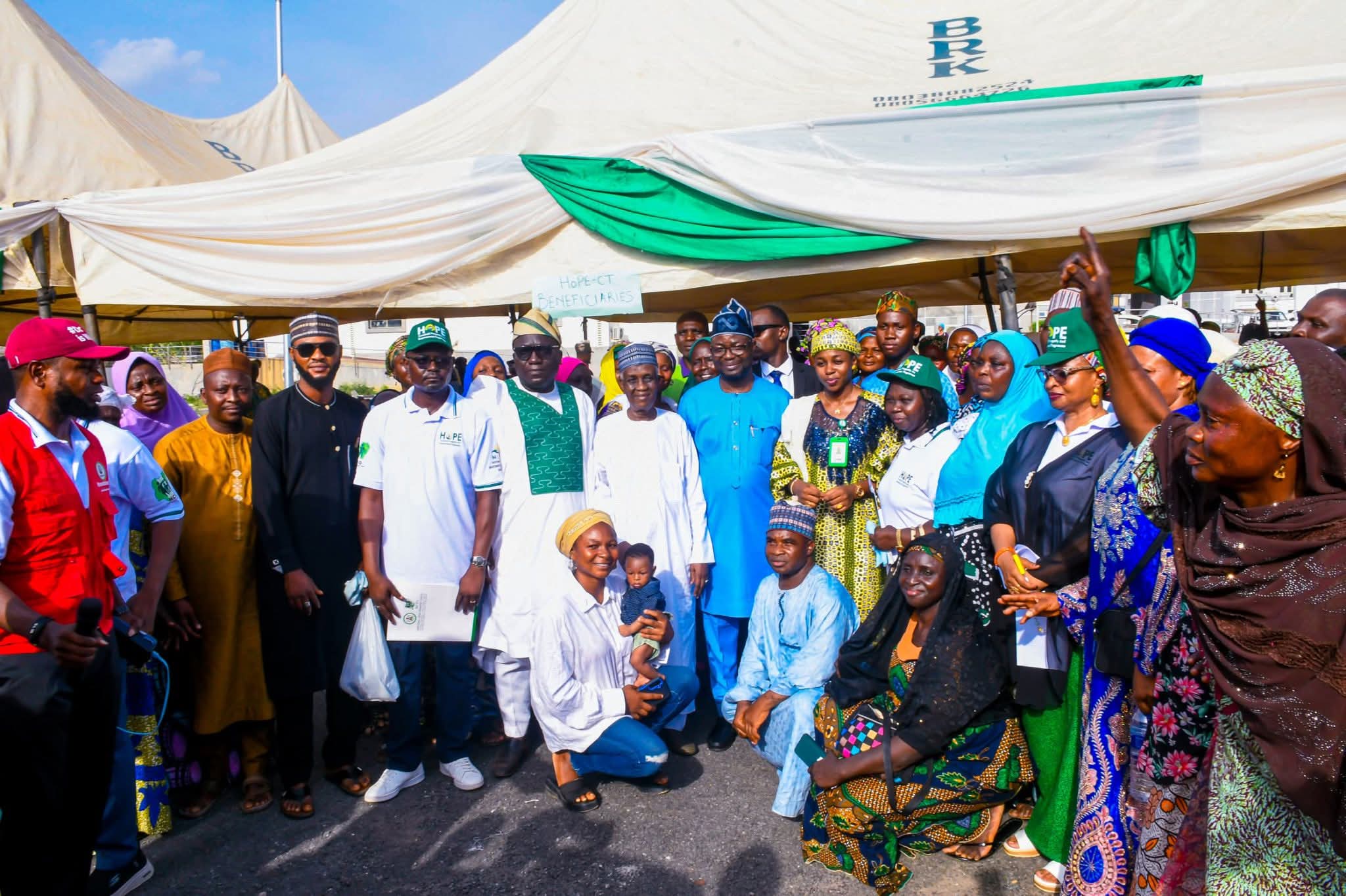
The engagement, held under the Household Prosperity and Empowerment Cash Transfer (HoPE-CT) Programme, forms part of an ongoing nationwide interface across the six geopolitical zones aimed at assessing programme performance, gathering feedback, and aligning policy decisions with grassroots realities.
Addressing beneficiaries, government officials, development partners, civil society organisations and community leaders, the minister stressed the importance of direct engagement in shaping effective policies. He noted that governance must be responsive to the lived experiences of citizens, particularly vulnerable populations benefiting from social interventions.
“I needed to come down myself to see, to hear, and to understand what is working and what must change,” Doro said, adding that firsthand interaction provides insights beyond formal reports and ensures programmes remain impactful and accountable.
He explained that the HoPE-CT Programme is designed not only as a cash disbursement mechanism but as a strategic intervention to drive long-term economic empowerment and self-reliance among vulnerable households. According to him, government support must translate into measurable improvements in livelihoods.
The minister further highlighted the Ministry’s “One Humanitarian One Poverty Response System,” an integrated framework aimed at eliminating fragmentation in service delivery and ensuring interventions are coordinated, data-driven and outcome-focused.
Doro also clarified misconceptions regarding beneficiary figures across different tranches, noting that transitions are largely influenced by validation processes such as the National Identification Number (NIN), rather than representing entirely new populations.
He assured beneficiaries that their feedback would inform ongoing programme refinements and disclosed that the next phase of implementation would strengthen linkages between cash support and complementary initiatives such as skills acquisition, livelihood development and cooperative structures.
In her remarks, the Kwara State Commissioner for Social Development, Dr. Mariam Nnafatima Imam, commended the Federal Government for sustaining the programme, describing it as a critical intervention that has improved the welfare of vulnerable households and enhanced social inclusion.
Other speakers, including the Acting General Manager of the Kwara State Social Investment Programme, Dr. Abdulwasiu Olayinka Tejidini, and the Commissioner for Communications, Hon. Bolanle Olukoju, lauded the initiative for restoring dignity, improving livelihoods and strengthening community resilience.
A highlight of the event was an interactive session where beneficiaries shared personal testimonies. One beneficiary, Abubakar Olayinka from Ilorin South Local Government Area, said he used the funds to establish a small-scale pure water business, which now serves as a steady source of income for his household.
Another beneficiary recounted how the support enabled her to procure life-saving medication for her ailing father, describing the intervention as timely and impactful.
The event was attended by key stakeholders, including the Kwara State Commissioner for Finance, Dr. Hauwa Nuru; Chairman, House Committee on Social Development, Kwara State House of Assembly, Hon. Olushola Odetundun; representatives of development partners, traditional rulers, and other senior government officials.
The Federal Ministry reiterated its commitment to building a unified, responsive and results-driven social protection system that empowers vulnerable Nigerians to achieve sustainable livelihoods and long-term economic stability.