
The Federal Ministry of Health and Social Welfare has launched Nigeria’s first-ever digital procurement and inventory system for essential medicines in federal hospitals, aimed at addressing the persistent challenge of “out-of-stock syndrome” in public health institutions.
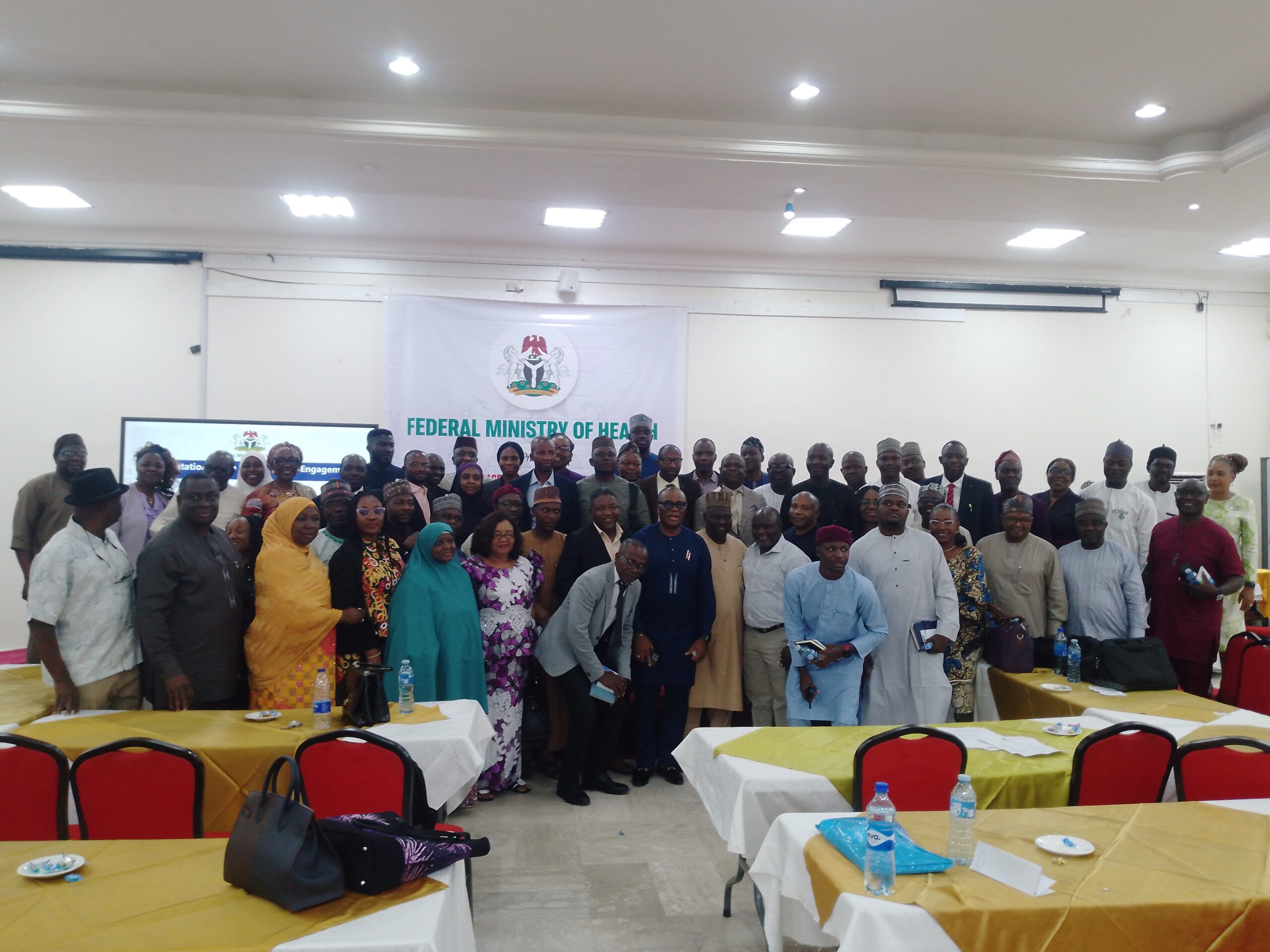
The maiden initiative was unveiled at a stakeholder engagement held on Thursday, September 11, 2025, in Abuja. The event brought together officials of the ministry, representatives of the Pharmacists Council of Nigeria (PCN), Chief Medical Directors, as well as heads of pharmacy and procurement units from health institutions across the country.
In her opening remarks, the Permanent Secretary of the Ministry of Health and Social Welfare , Daju Kachollom,
said the innovation was designed to strengthen service delivery by ensuring availability and affordability of essential medicines through a digitalized revolving consignment model. She stressed that the system would align with the National Strategy for Supply Chain Management of Essential Drugs, as approved by the Federal Government.
Dr. Salahudeen Jimoh, Director of Hospital Services, explained that the new system would eliminate bottlenecks in drug supply, reduce cost for patients, and guarantee transparency in procurement. He noted that suppliers would now be reimbursed through a revolving model, ensuring that drug supply would no longer be tied to delayed payments.
“The costs in-between will be reduced, prices of drugs will definitely come down, and the issue of out-of-stock will be drastically addressed,” Dr. Jimoh stated.
Also speaking, the Director of the Food and Drugs Department emphasized that the initiative was not designed to replace the work of pharmacists but rather to provide a vehicle that supports seamless inventory management and improves patient access to life-saving medicines.
The Chairman of the Committee of Chief Medical Directors (CMDs), Dr. Eme Bassey, highlighted the need for the model to also cater to vulnerable patients who often cannot afford essential drugs. He urged the government to provide a social safety net that would complement the initiative.
Sharing practical insights, Professor Aminu Muhammad Balarabe, Chairman of the Medical Advisory Committee representing Chief Medical Director,Ahmadu Bello University Teaching Hospital (ABUTH), revealed that the hospital had already adopted a similar model for over three years with remarkable success. According to him, it eliminated bureaucratic bottlenecks in procurement and helped the hospital clear long-standing debts.
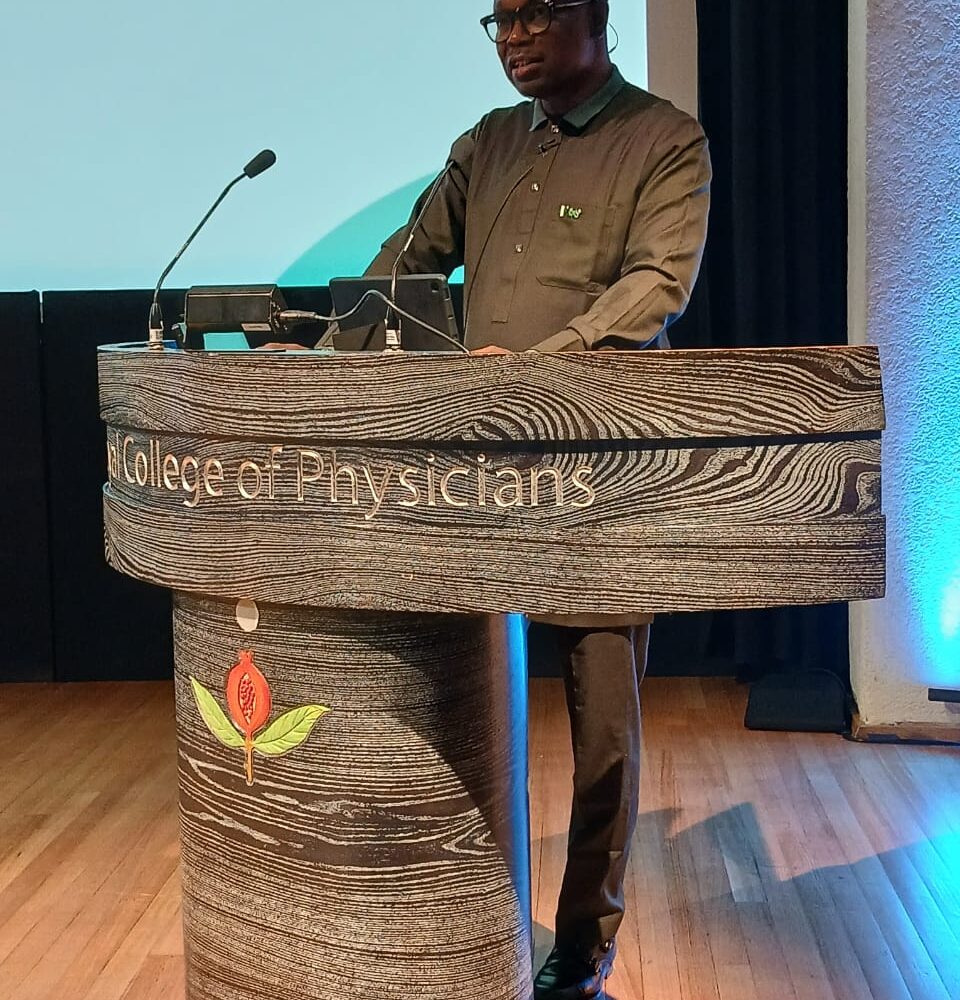
The high point of the event was a presentation by Dr. Emmanuel Okorie, Chief Executive Officer of EMGE Resources Limited, who developed the system. He described the innovation as the first of its kind in Africa, explaining that it had already been successfully piloted in the cancer space, reducing the cost of some cancer drugs by 50 percent through direct engagement with manufacturers.
Dr. Okorie emphasized sustainability as key to success, stressed the need for a strong governance structure and continued collaboration with all stakeholders.
“This is innovative and unique. If extended to other disease areas, patients stand to benefit enormously because it will make essential medicines more affordable and accessible,” he said.
The event concluded with a collective commitment from stakeholders to work together to ensure the successful piloting of the system in selected federal tertiary hospitals, after which it will be scaled up nationwide.