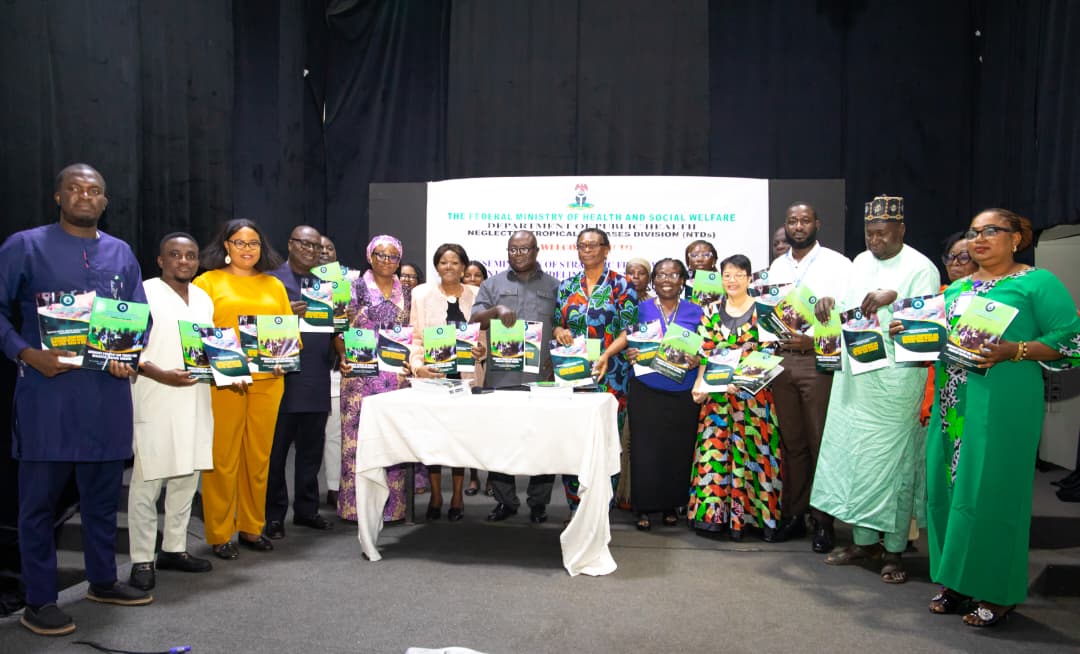
The Federal Government of Nigeria has taken a significant step towards eliminating Neglected Tropical Diseases (NTDs) by launching a Strategic Framework and Implementation Guidelines for NTDs-WASH, as well as an Advocacy Strategy and Toolkit for NTDs. The launch, held at a meeting convened by the Federal Ministry of Health and Social Welfare in Abuja, marks a crucial milestone in Nigeria’s fight against NTDs.
NTDs affected over 120 million Nigerians and thrive in communities with poor access to safe water, sanitation, and hygiene (WASH). The Permanent Secretary, Federal Ministry of Health & Social Welfare, Daju Kachollom, represented by Dr. Nse Akpan, emphasized that NTDs perpetuate cycles of poverty, disability, and stigma, and that the new framework and toolkit are critical to addressing this major public health challenge.
The Strategic Framework and Implementation Guidelines for NTDs-WASH are anchored on Nigeria’s NTD Master Plan (2023–2027) and the WASH Roadmap (2021–2030). The framework integrated efforts across health, water resources, education, and environmental sectors, emphasizing data sharing, institutional collaboration, operational research, and community-centred service delivery.
The Advocacy Strategy and Toolkit for NTDs will provide strategies to engage policymakers and secure financing for sustained interventions. According to Dr. Godwin Ntadom, Director Public Health Department, represented by Mrs. Chinwe Okoye, the toolkit will be a “potent instrument for change” in the fight against NTDs.
The Federal Government further reaffirmed its commitment to achieving the 2030 elimination target, urging all stakeholders, including state and local governments, development partners, and communities, to translate strategies into visible results. This included ensuring access to safe water and sanitation in endemic communities, strengthening surveillance systems, improving financing, and promoting healthier lives free from preventable diseases.
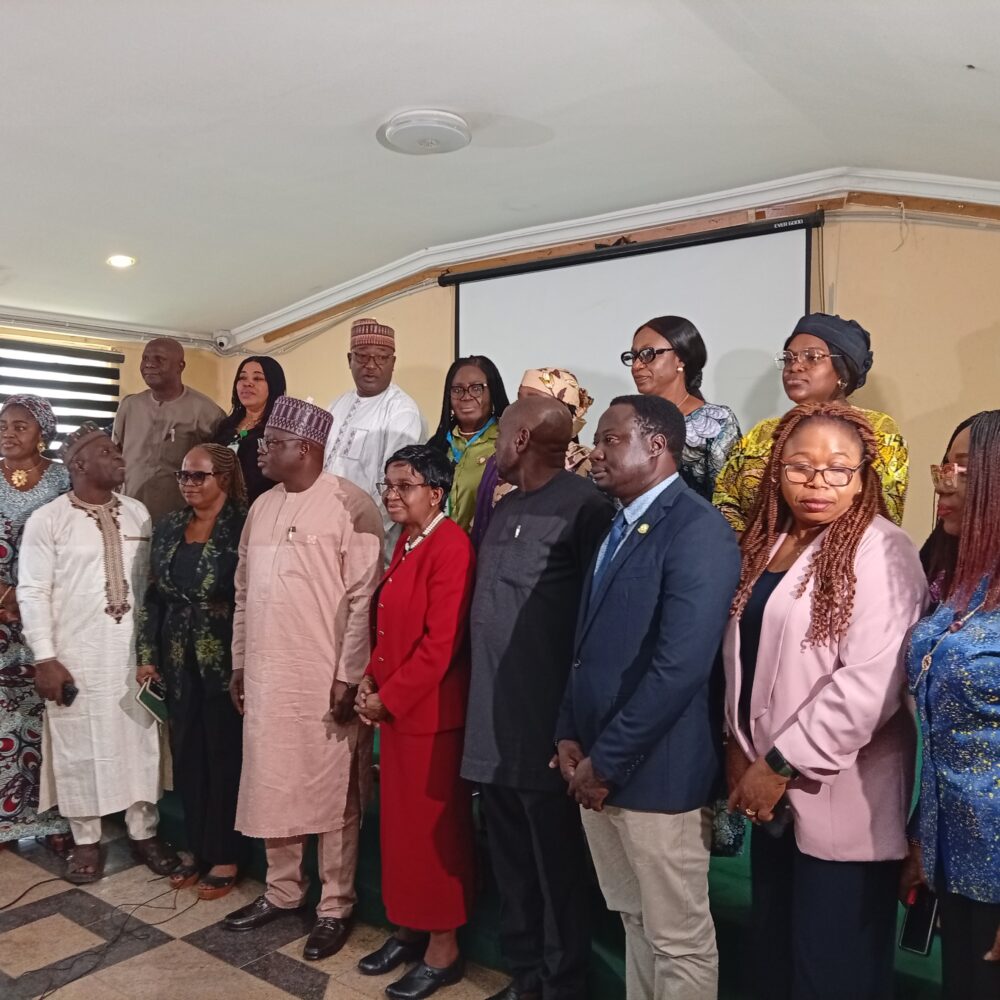
The launch was attended by key stakeholders from federal and state ministries, development partners, civil society, and community representatives. Partners acknowledged for their technical and financial support included UNICEF, Sightsavers, CBM, MITOSATH, Helen Keller International, Evidence Action, and the Carter Centre. The Chairman of the NTD-WASH Subcommittee, Dr. Margaret Mafe, emphasized the urgency of scaling up interventions, noted that WASH improvements are critical to eliminating diseases such as trachoma, schistosomiasis, and lymphatic filariasis.
The success of the frameworks will depend on cross-sectoral collaboration, financial investment, and effective use of the advocacy tools to drive policy changes and behavioral shifts. With the launch of these landmark policy documents, Nigeria is poised to make significant progress in the fight against NTDs and improve the health and wellbeing of millions of Nigerians.