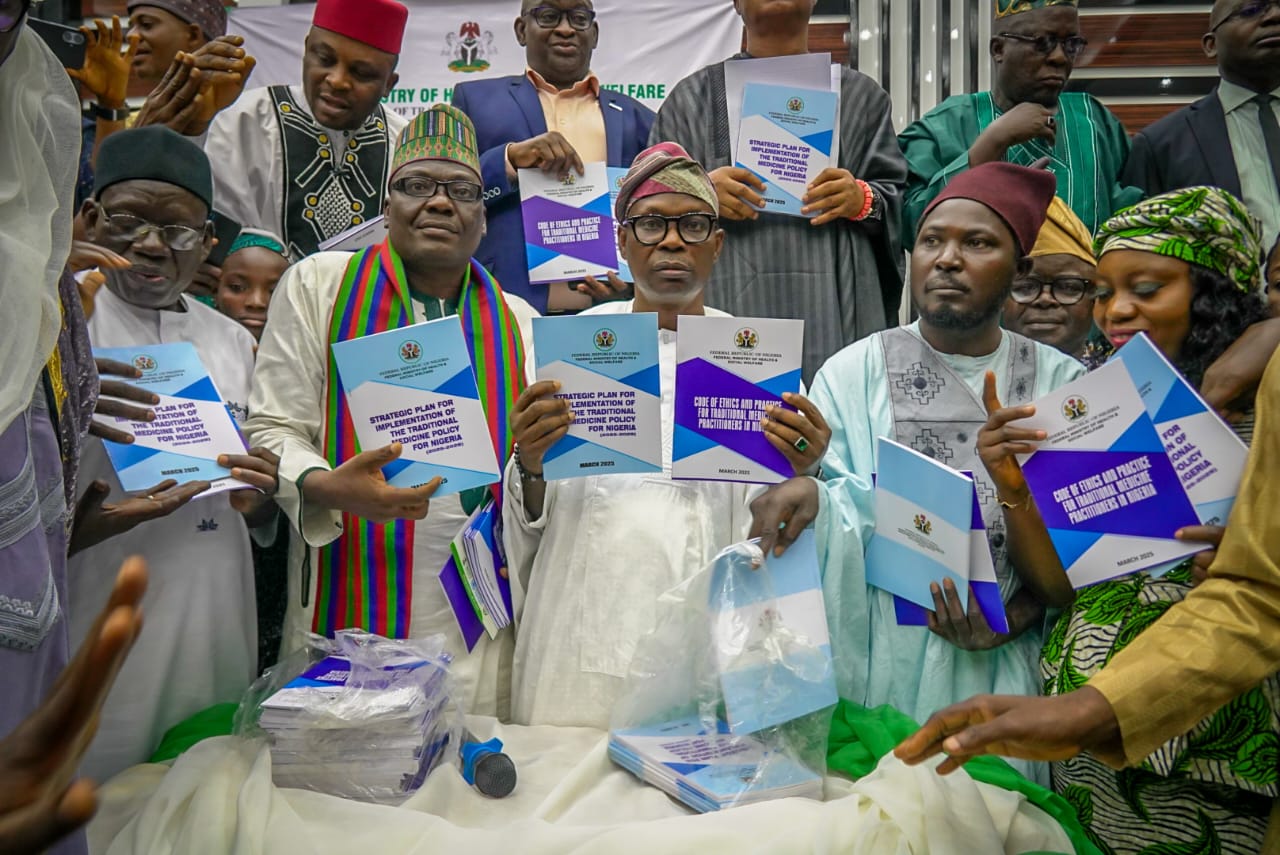
The Federal Government has taken bold steps to mainstream traditional medicine into Nigeria’s healthcare system with the launch of a new Strategic Plan of Action and a Code of Ethics and Practice for practitioners.
The unveiling, which coincided with the 2025 African Traditional Medicine Day in Abuja, was performed by the Minister of State for Health and Social Welfare, Dr. Iziaq Adekunle Salako. He said the initiative marks a new era of stronger regulation, deeper investments, and international collaboration under President Bola Tinubu’s administration.
“Evidence is the bridge between belief and policy,” Salako declared. “Our goal is to document, standardize, and integrate evidence-based traditional medicine into Nigeria’s national health system, creating opportunities for job creation, local manufacturing, and improved access to healthcare.”
The minister listed several initiatives already underway, including the creation of a Department of Traditional, Complementary and Alternative Medicine (TCAM), documentation of more than 200 medicinal plants in the Nigerian Herbal Pharmacopoeia, plans to revive the Federal College of Complementary and Alternative Medicine (FEDCAM), and directives for all states and the FCT to establish TCAM boards. He added that Nigeria is working closely with the World Health Organization (WHO), West African Health Organization (WAHO), and countries such as China and India to strengthen research and technical support.
Salako stressed that Nigeria’s approach seeks to leverage indigenous knowledge for Universal Health Coverage (UHC) and economic growth, while safeguarding intellectual property rights of local communities. He urged traditional healers, researchers, policymakers, and private investors to work together in documenting, standardizing, and commercializing Nigeria’s phytomedicine resources to attract global recognition.
The Permanent Secretary of the ministry, Daju Kachollom mni, represented by her Technical Assistant, Dr. Dogara Okara, said this year’s theme, “Strengthen the Evidence Base for Traditional Medicine,” aligned with the ministry’s strategic vision. She emphasized that the newly unveiled Code of Ethics would ensure integrity, accountability, and patient safety among practitioners.
Delivering goodwill remarks, WHO representative Dr. Hamzat Omotayo conveyed a message from the WHO Regional Director for Africa, reminding stakeholders that traditional medicine remains a cornerstone of healthcare for millions of Africans. He urged Nigeria and other countries to adopt stronger regulatory frameworks and evidence-based practices to maximize its impact.
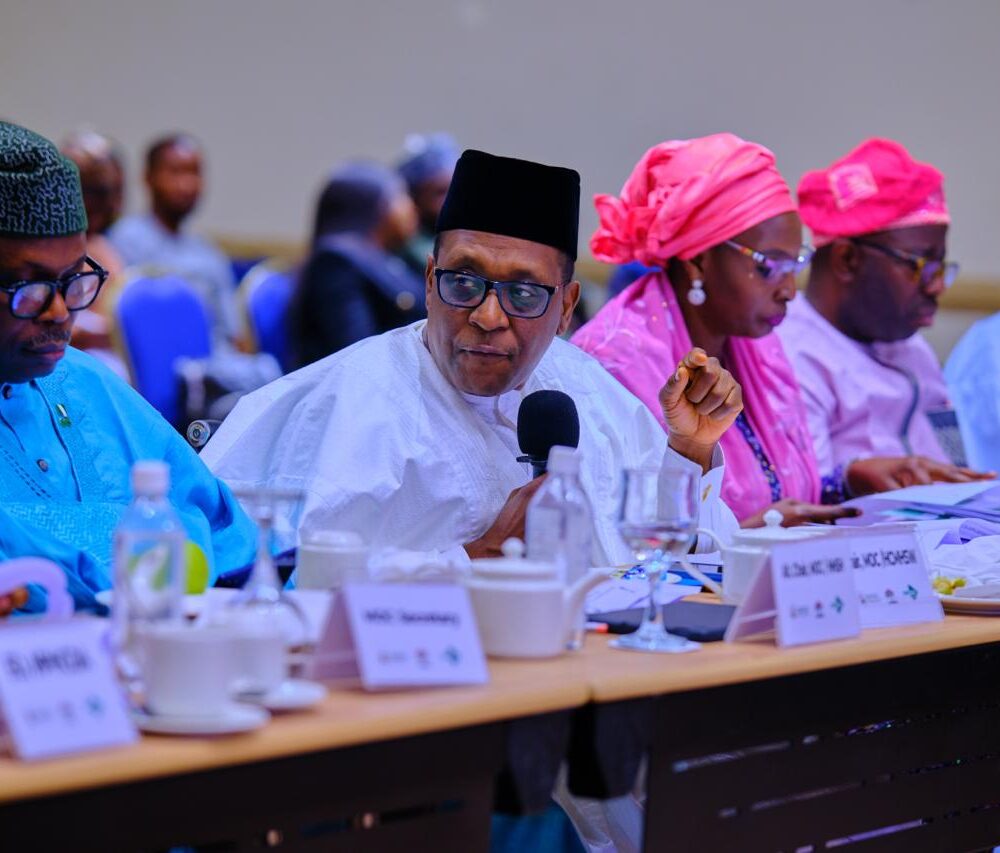
The event brought together policymakers, regulators, research institutes, and traditional medicine practitioners to chart the next phase of indigenous healthcare integration in Nigeria.