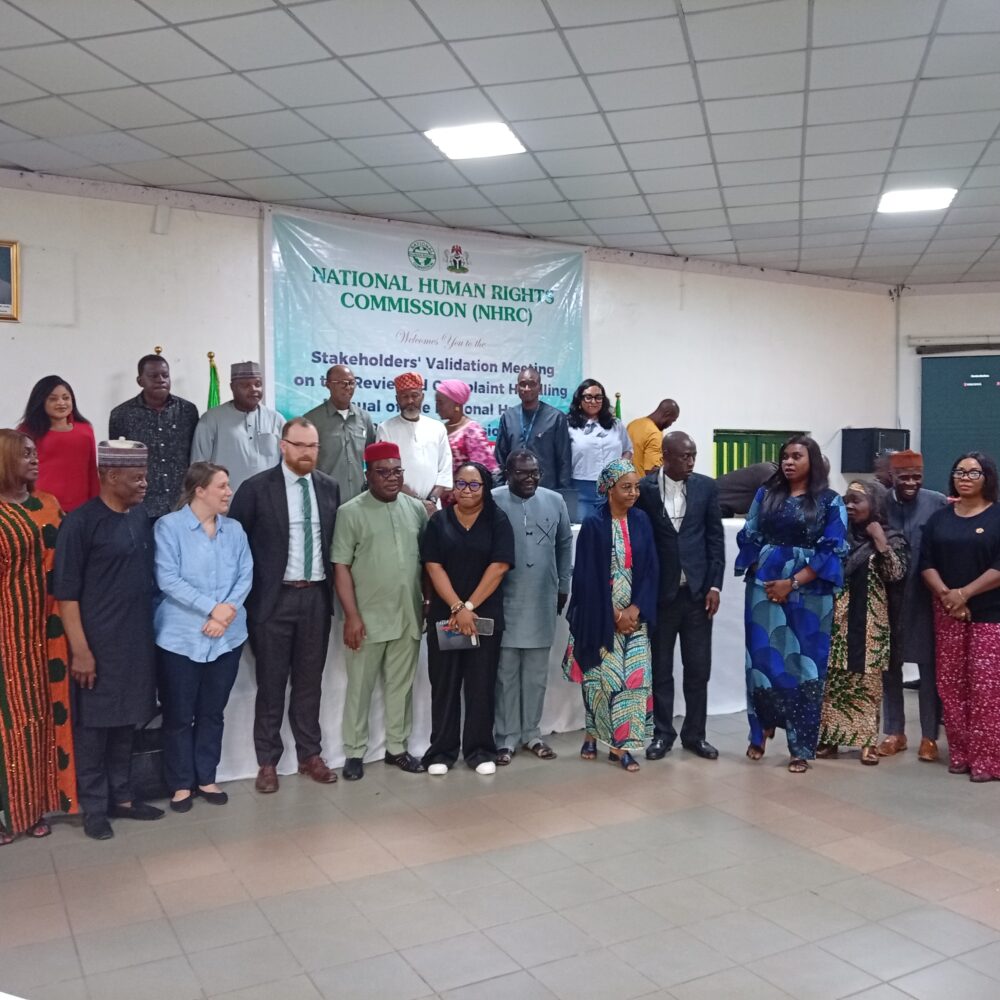


The Executive Secretary of the National Human Rights Commission, Dr. Tony Ojukwu, has reaffirmed the Commission’s commitment to improving access to justice for victims of human rights violations, as it commenced the validation of its reviewed Complaints Handling Manual in Abuja.
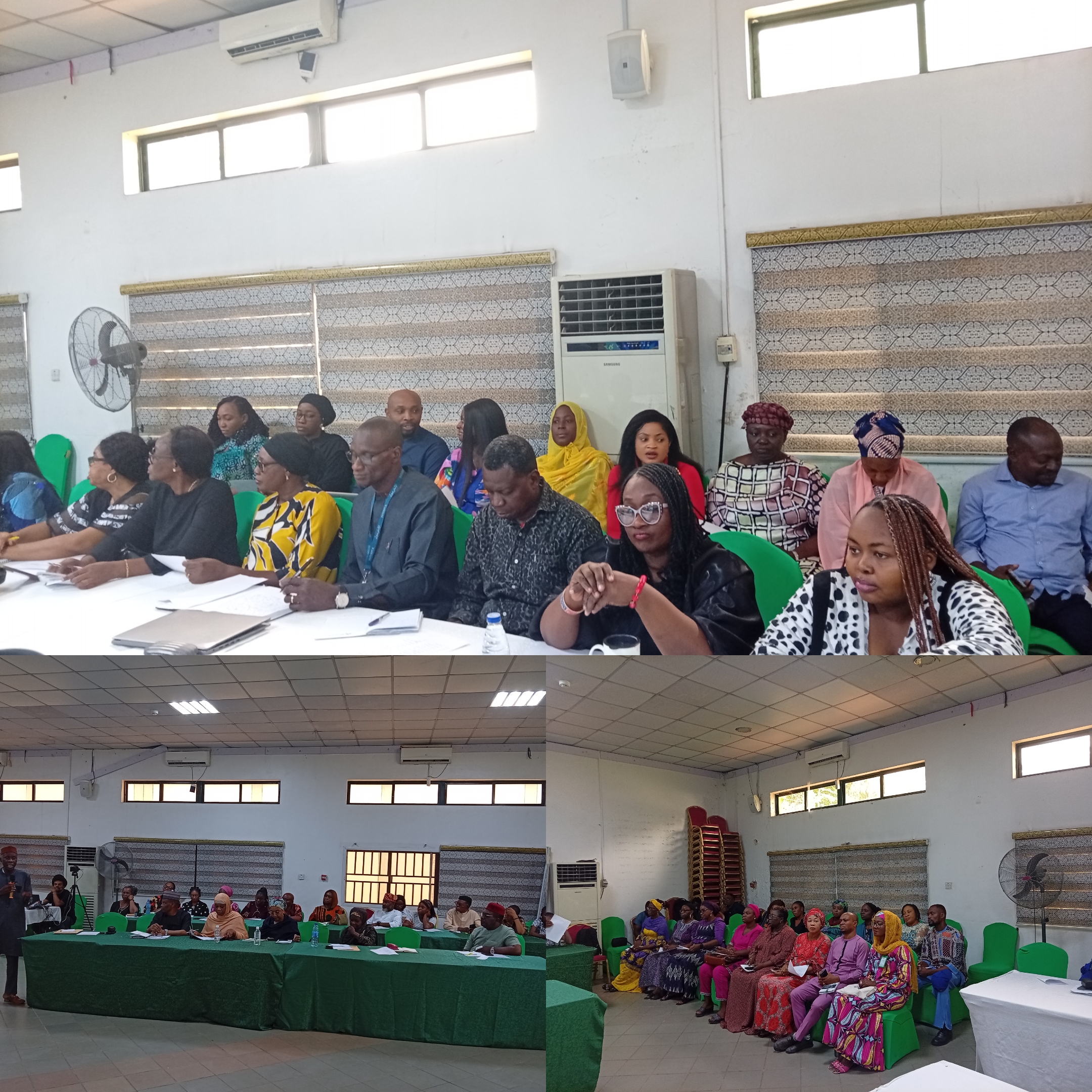
Speaking on Friday at the Commission’s headquarters, Ojukwu described the validation exercise as a critical step toward strengthening transparency, accountability, and trust in the handling of human rights complaints across Nigeria.
He noted that although the legal principle Ubi jus ibi remedium meaning where there is a right, there must be a remedy remain fundamental, many victims in Nigeria have historically struggled to access justice due to systemic challenges within the judicial process.
According to him, the Commission was established to bridge this gap by creating a system that ensures safe reporting channels and effective accountability mechanisms, particularly for vulnerable groups.
Ojukwu disclosed that the Commission has developed a Human Rights Abuse Tracking System (HRAT), a digital platform designed to automate complaint processes, including online submissions, case documentation, sorting, and escalation for prompt resolution.
He said the reviewed manual integrates these digital processes into the existing framework, marking a transition from a largely manual system to a more efficient, technology-driven approach.
“The manual is not just an administrative handbook; it is a practical tool that simplifies complex human rights procedures into actionable steps for officers, community advocates, and peer educators working on the front lines,” he said.
He added that the document establishes strict confidentiality protocols, outlines clear referral pathways among the Commission, civil society organisations, and law enforcement agencies, and enhance the Commission’s capacity to deliver timely remedies.
The Executive Secretary emphasized that the manual was developed through extensive consultations, incorporating inputs from legal experts, law enforcement agencies, and NHRC staff who handle complaints daily.
He urged stakeholders to rigorously scrutinize the document during the validation process, ensuring it reflects the realities faced by the most marginalized members of society and provides adequate legal and psychological safeguards for complainants.
In a goodwill message, the Director-General of the National Agency for the Control of AIDS (NACA), Dr. Temitope Ilori, represented by Barrister Obehi E. Olasupo of the agency’s Legal Unit, commended the Commission for its leadership and commitment to strengthening accountability in Nigeria.
She conveyed warm greetings to the Executive Secretary, management and staff of the NHRC, as well as stakeholders at the meeting, described the initiative as a significant step toward promoting natural justice and strengthening institutional processes.
According to her, an effective complaint handling system is essential to advancing human rights, particularly for vulnerable populations, and to building strong and resilient institutions.
She noted that the inclusive validation process reflected a firm commitment to stakeholder engagement, transparency, and adherence to best practices, expressing optimism that the outcome would enhance complaint documentation, resolution mechanisms, and overall institutional effectiveness.
The NACA DG also reaffirmed the agency’s commitment to sustained collaboration with the NHRC and other partners in promoting a rights-based approach across sectors, while wishing participants fruitful deliberations and a successful outcome.
Earlier, participants were informed that the validation exercise is aimed at reviewing the updated manual against emerging realities, including technological advancements and evolving human rights challenges.
Officials explained that although an existing manual is in place, the revised document integrates new digital processes into complaint handling, necessitating broad stakeholder input to ensure accuracy, comprehensiveness, and usability before final approval.
They noted that the meeting also serves as a critical review platform, bringing together experts, civil society actors, and institutions with protection mandates to examine the draft, identify gaps, and refine recommendations.
According to the organisers, the objective is to ensure that the final document is practical, realistic, and actionable, while reflecting the operational realities of institutions that handle complaints and interact with victims daily.
They stressed that the Commission cannot work in isolation, highlighting the importance of collaboration with partners in strengthening human rights protection across the country.
The validation workshop is expected to culminate in a consensus-driven document that will serve as the official operational standard for handling human rights complaints nationwide.