African nations must urgently develop domestic cloud infrastructure and assert data sovereignty or risk permanent digital subservience to foreign powers, the Director General of Nigeria’s National Information Technology Development Agency (NITDA), Kashifu Inuwa, has warned.
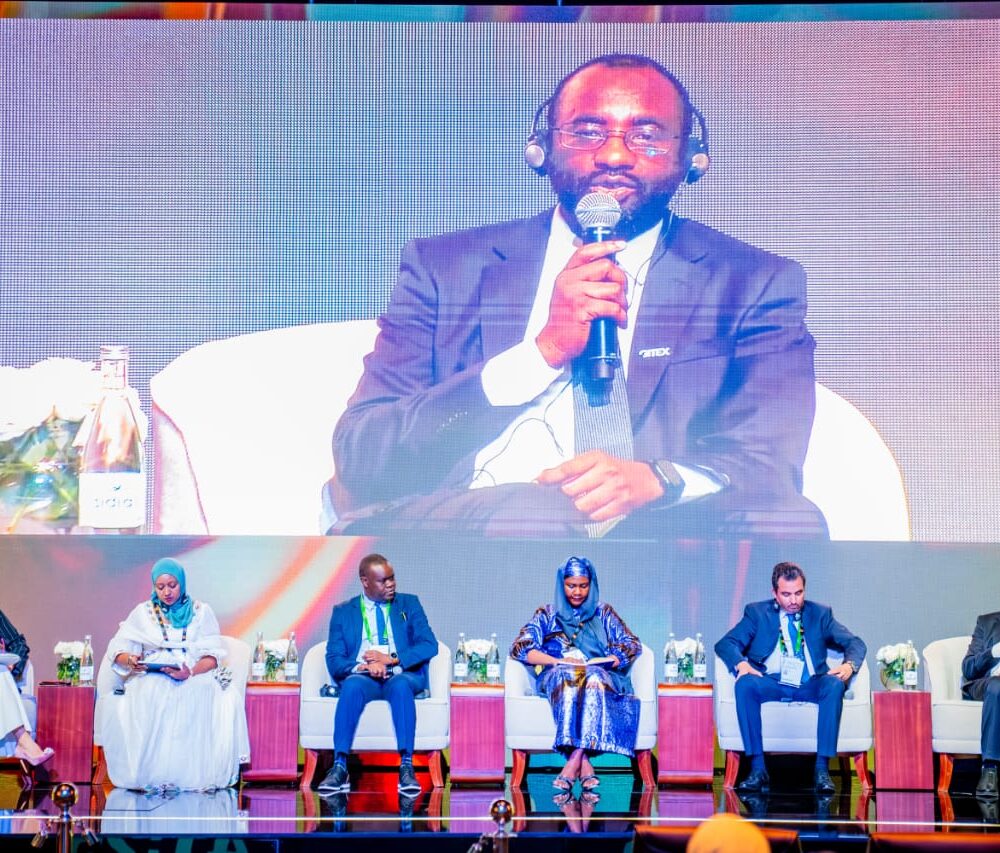
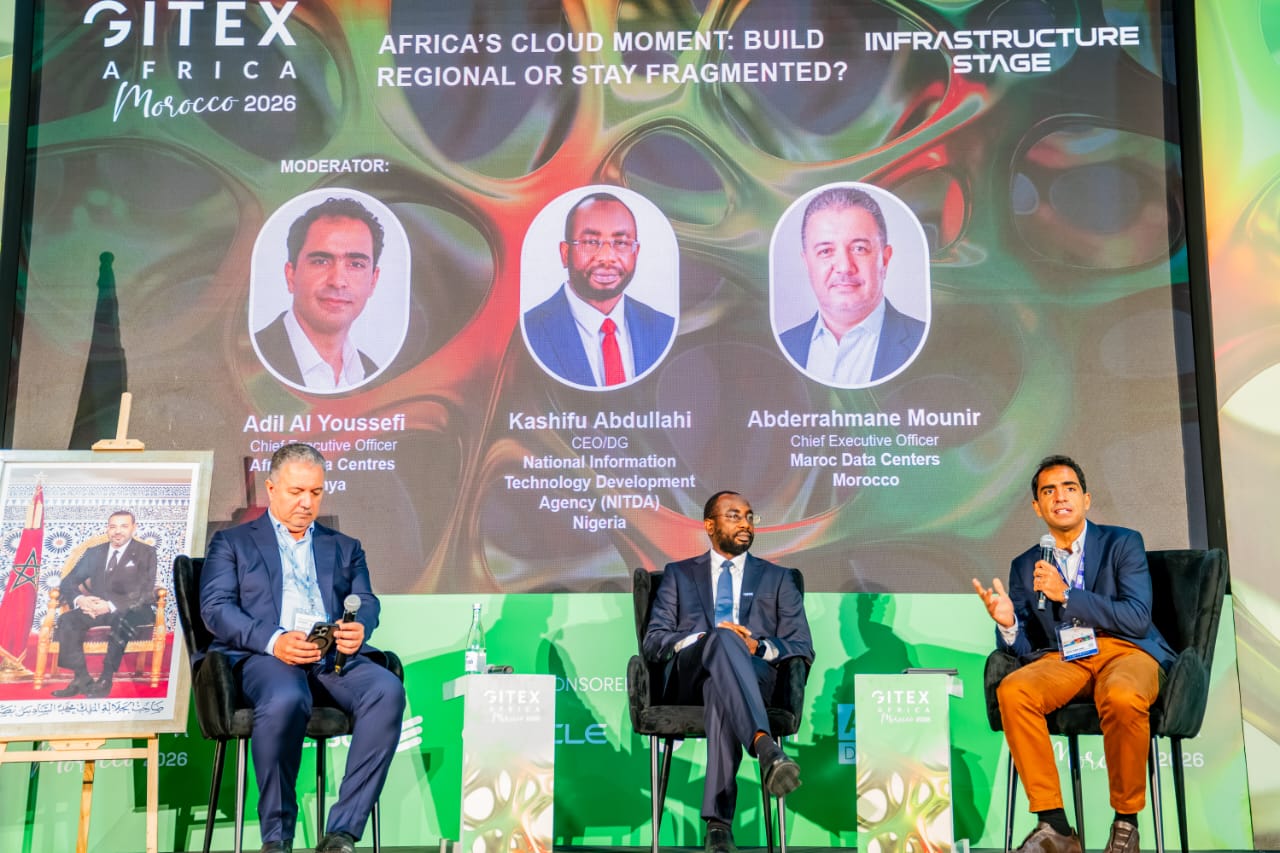
Speaking at a high-level strategic session during the GITEX Africa 2026 summit, Inuwa urged the continent to stop being mere consumers of foreign technology and instead become architects of its own digital future.
“The cloud is the oxygen that sustains digital life in today’s world,” Inuwa declared. “The critical question we must ask ourselves is: who controls that oxygen”
Inuwa highlighted the severe imbalance in global digital infrastructure: while Africa accounts for 15 to 19 percent of the world’s population, it possesses only about 0.6 percent of global data centre and computing capacity. This gap, he said, represents not just a technology deficit but a serious “sovereignty gap.”
“Africa generates massive amounts of data, but we do not control where it is stored, how it is processed, or how it is monetised,” he stated. “This over-reliance on foreign-owned cloud platforms threatens national security, economic competitiveness, and policy autonomy.”
The NITDA chief advocated for a shift from fragmented national efforts to a collaborative, federated regional approach. He proposed the creation of a “cloud of clouds” an interconnected network of national and regional cloud platforms that would maintain local data residency while enabling shared standards, scalability, and cross-border collaboration.
Inuwa cited Europe’s Gaia-X project as a relevant model, though he stressed that Africa must adapt the concept to its unique context. He emphasised that cloud sovereignty is not about isolation or protectionism, but about self-determination.
“Sovereignty means having the ability to make our own choices, define our own standards, and build systems that reflect our values and priorities,” he said.
He warned that without unified regulatory frameworks and locally controlled data centres, African countries would remain vulnerable to external disruptions and geopolitical decisions made overseas. The data generated by Africa’s youthful population and rapidly expanding digital economy, he added, should be used to train local AI models and drive internal growth rather than being exported for foreign profit.
Despite the challenges, Inuwa expressed optimism about Africa’s potential. He pointed to the continent’s young demographic, rising internet penetration, and vibrant startup ecosystem as key advantages that could allow Africa to leapfrog outdated systems and build modern, scalable digital infrastructure.
However, he stressed that no single African country can achieve this alone.
“There is no single country in Africa that can do this alone. We must collaborate, integrate our efforts, and build shared infrastructure that benefits the entire continent,” Inuwa said.
The push for cloud sovereignty is seen as essential for unlocking economic opportunities, including job creation, local innovation, improved public services, and stronger positioning in emerging technologies such as artificial intelligence, big data, and the Internet of Things.
Inuwa concluded that securing computational sovereignty is a strategic imperative for Africa’s long-term stability and independence in an increasingly digitised global economy. Failure to act collectively, he warned, could condemn the continent to the margins of the digital revolution.