
The Nigeria Customs Service (NCS) has introduced a One-Stop-Shop (OSS) Initiative aimed at reducing cargo clearance time from 21 days to 48 hours, in line with global best practices and the Federal Government’s Ease of Doing Business policy.


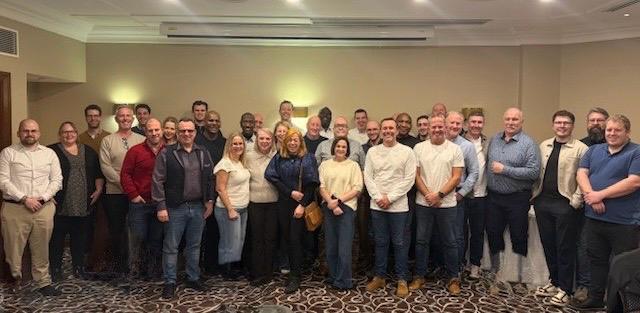
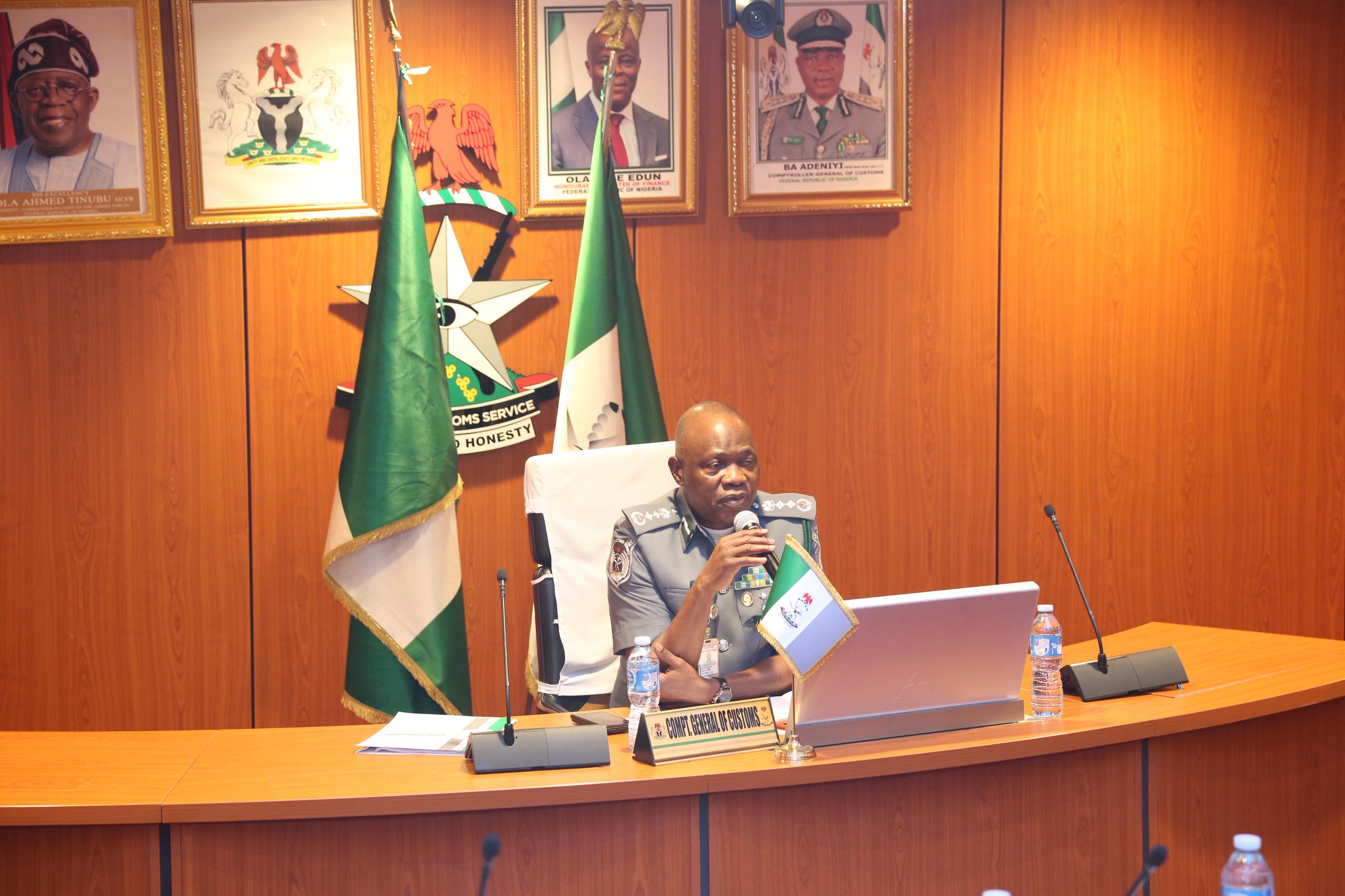
The reform was unveiled on Thursday, 23rd September 2025, during a meeting of NCS Management and Customs Area Controllers in Abuja, chaired by the Comptroller-General of Customs (CGC), Adewale Adeniyi.
Describing the OSS as a “transformative shift,” Adeniyi said the initiative would sanitise operations, minimise duplication of efforts, and restore transparency in cargo clearance procedures.
“The OSS initiative will not only shorten clearance time from 21 days to 48 hours, but it will also strengthen trader confidence, restore transparency, and make our operations more business-friendly,” the CGC stated.
The OSS framework will see all Customs Units jointly handling flagged declarations under one roof, thereby eliminating multiple checks and reducing delays. Consignments cleared through the system will not be subject to re-interception, a measure expected to cut costs and boost trade facilitation.
While highlighting the importance of technology in Customs operations, Adeniyi also stressed the value of physical engagement.
“As much as technology has helped us, it has its limits. There are moments when physical presence coming together under one roof adds weight and value to our deliberations. Meetings like this strengthen our unity of purpose and ensure we speak with one voice,” he noted.
The Abuja meeting also reviewed the Service’s accountability framework, including a new central dashboard that tracks clearance times, interventions, and stakeholder satisfaction.
Adeniyi further revealed that the OSS would be piloted at Apapa, Tin Can Island, and Onne Ports before nationwide rollout, noting that the initiative is backed by the NCS Act 2023 and aligned with the World Trade Organisation’s Trade Facilitation Agreement (TFA).
“This is not just a policy. It is a statement of intent that reflects our determination to build a modern, transparent, and trader-friendly Customs Service,” he concluded.
Customs Area Controllers at the meeting pledged full support for the reform, describing it as timely and necessary to reposition the Service for efficiency. They assured the CGC of their readiness to drive the reform at their respective commands and work in synergy toward achieving the 48-hour clearance target.