
The Nigerian Army has reaffirmed its commitment to deepening defence cooperation with Pakistan as both countries move to strengthen joint responses to evolving security challenges.
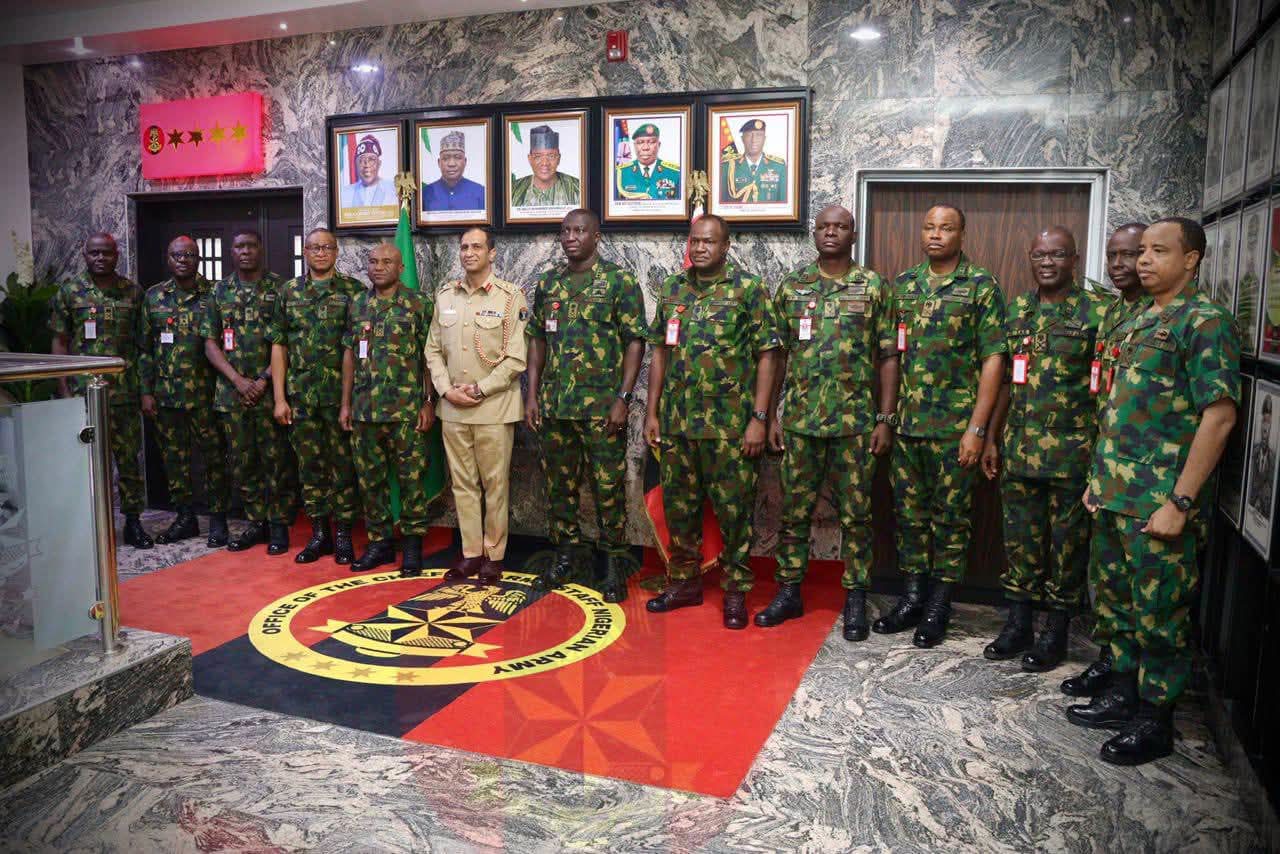
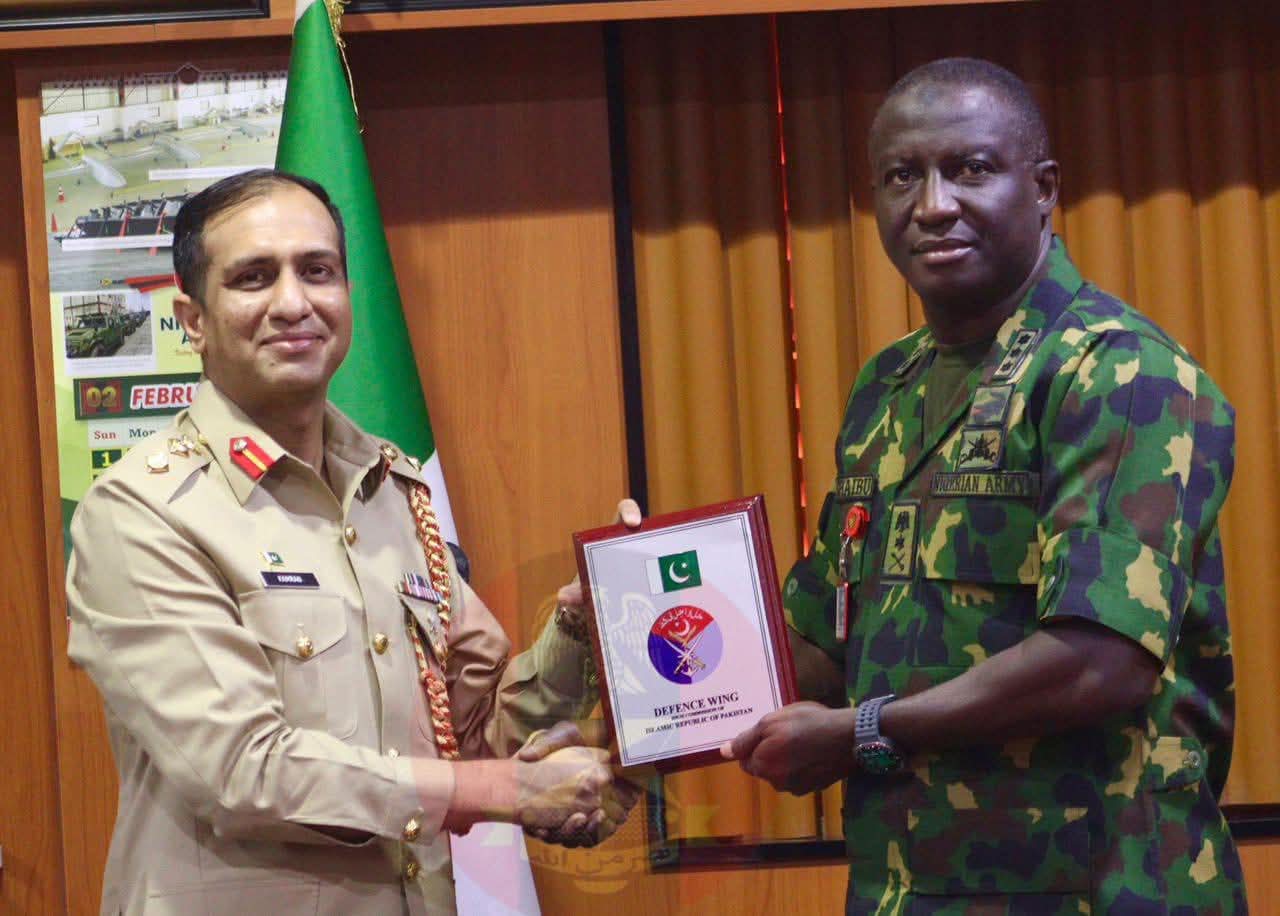
The Chief of Army Staff, Lieutenant General Waidi Shaibu, made this known on Friday while receiving Pakistan’s Defence Adviser to Nigeria, Colonel Kamran Mushtaq, at Army Headquarters in Abuja. The meeting focused on expanding bilateral military collaboration to enhance operational effectiveness and collective security.
Shaibu described Nigeria–Pakistan military relations as longstanding and strategically significant, noting that increased cooperation in joint training, intelligence sharing, defence technology, and operational coordination would strengthen both nations’ security architecture. According to him, deeper engagement in these areas would improve interoperability and enhance the capacity of both armies to respond effectively to modern security threats.
The army chief also highlighted the shared experiences of both countries in combating terrorism and insurgency, stressing the importance of sustained capacity building through professional military education. He pointed to specialised training programmes undertaken by Nigerian officers in Pakistan and the planned participation of Pakistani officers at the National Defence College Nigeria as evidence of growing institutional cooperation. He added that enhanced intelligence collaboration and strategic defence procurement remain critical to improving Nigeria’s operational readiness and technological capabilities.
In his remarks, Mushtaq conveyed goodwill messages from Field Marshal Asim Munir and commended the Nigerian Army’s professionalism and resilience in ongoing operations. Drawing on Pakistan’s extensive counter-terrorism experience, he reaffirmed his country’s readiness to expand collaboration through specialised training, technical assistance, and the provision of advanced surveillance and communication systems.
Both sides reiterated their commitment to sustained military exchange programmes and joint professional education initiatives, described them as essential tools for enhancing operational synergy and addressing regional as well as transnational security threats.