Nigeria has called for the full integration of its diaspora health professionals into both national and global health strategies as part of efforts to strengthen healthcare systems and address workforce challenges.
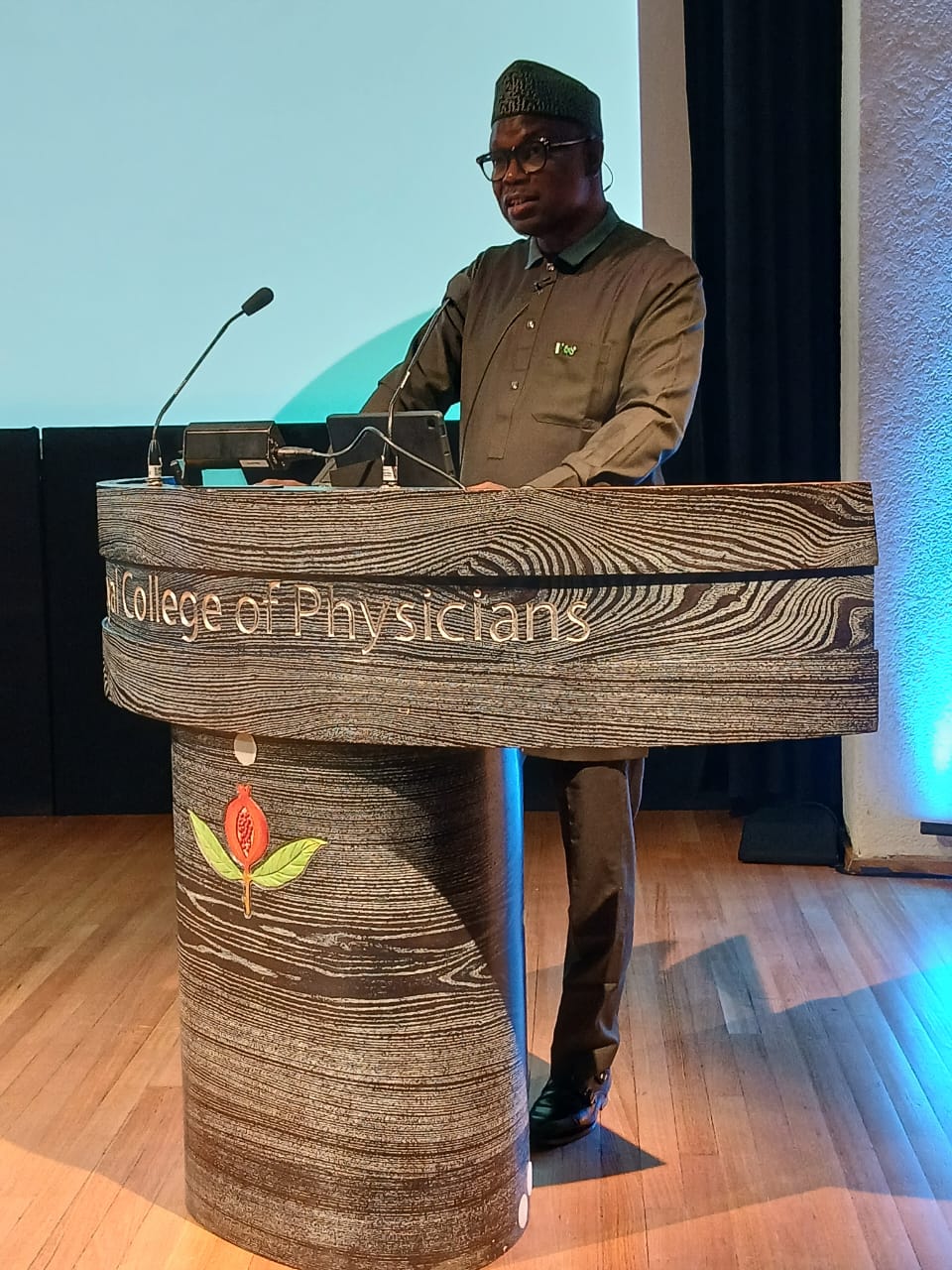
Minister of State for Health and Social Welfare, Iziaq Adekunle Salako, made the call while delivering a keynote address at the 2026 United Kingdom Global Health Summit held at the Royal College of Physicians in London.
Salako noted that Nigeria’s diaspora health workforce estimated at over 150,000 professionals worldwide represented a vast pool of expertise, networks, and investment potential that can significantly accelerate health system strengthening if properly harnessed.
He urged destination countries, international organisations, and diaspora associations to collaborate with Nigeria in formalising and scaling engagement programmes that are already yielding positive outcomes.
The minister also advocated a renewed global commitment to equitable health research and innovation, stressed the need to restructure the global research ecosystem to better reflect the priorities and contributions of low- and middle-income countries.
Addressing the challenge of health workforce migration, Salako called for a new global compact based on managed migration agreements with clearly defined terms and measurable outcomes. He criticised the current model, where developing countries bear the cost of training health workers while developed nations benefit from their expertise, describing it as unsustainable and unjust.
He proposed structured bilateral and multilateral agreements that would include compensation for source countries, joint training initiatives, and circular migration pathways that allow professionals to gain international experience and return home with enhanced skills. He also emphasised the need for increased investment in health training infrastructure in developing nations.
Highlighting domestic efforts, Salako said Nigeria, under the leadership of President Bola Ahmed Tinubu, has adopted a multi-pronged approach to improving both the quantity and quality of its health workforce. This included collaboration between the Federal Ministry of Health, the National Universities Commission, and regulatory bodies such as the Medical and Dental Council of Nigeria to expand accredited training institutions.
According to him, Nigeria has recorded about a 160 per cent increase in medical school admissions between 2023 and 2025, alongside similar growth in the training of nurses, midwives, pharmacists, and laboratory scientists.
He added that the government is also strengthening the training of paramedical professionals and implementing task-shifting and task-sharing policies in line with recommendations by the World Health Organization to optimise healthcare delivery.
On health financing, the minister reaffirmed Nigeria’s commitment to the Abuja Declaration target of allocating 15 per cent of national budgets to health, while acknowledging that this benchmark has not been consistently met.
He called on international partners to complement domestic funding with predictable and flexible support, and urged the adoption of innovative financing mechanisms such as health bonds, blended finance, and public-private partnerships to boost investment in healthcare infrastructure and workforce development.
Salako further noted that global health systems are facing increasing pressure from financial, political, climatic, and demographic challenges, with Nigeria grappling with underfunding, infrastructure gaps, high out-of-pocket healthcare costs, and rural-urban disparities.
He concluded with a call for collective global action, urging stakeholders to work together with “courage, humility, and conviction” to build a more equitable and resilient global health system.