
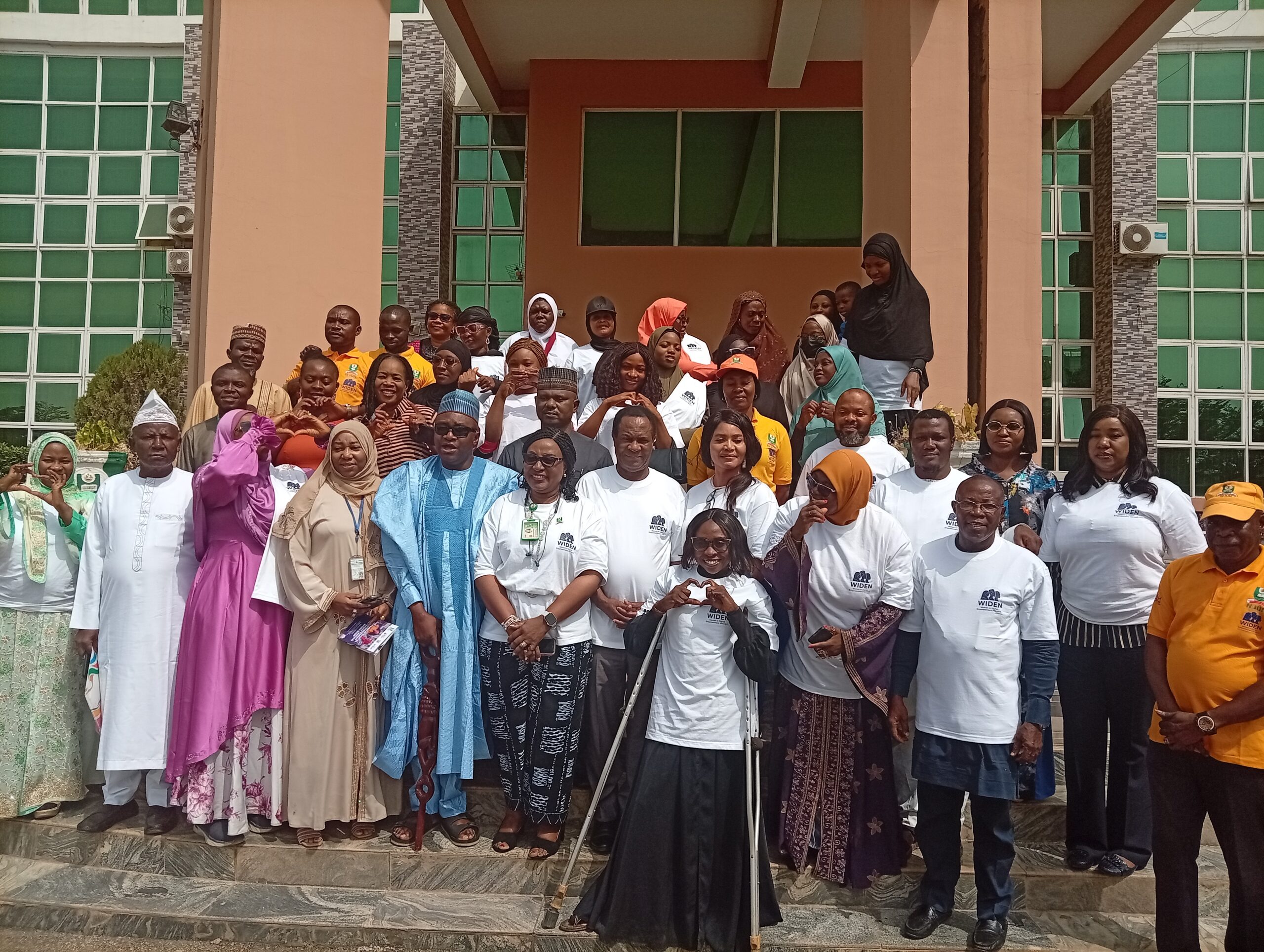
The National Open University of Nigeria (NOUN) on Thursday, 12 December 2025, hosted the second edition of the Women in Digital Empowerment Network (WIDEN) workshop at its new conference hall in Abuja. The event brought together government representatives, university administrators, development partners, researchers and female tech trainees to advance the national conversation on closing the digital gender divide.
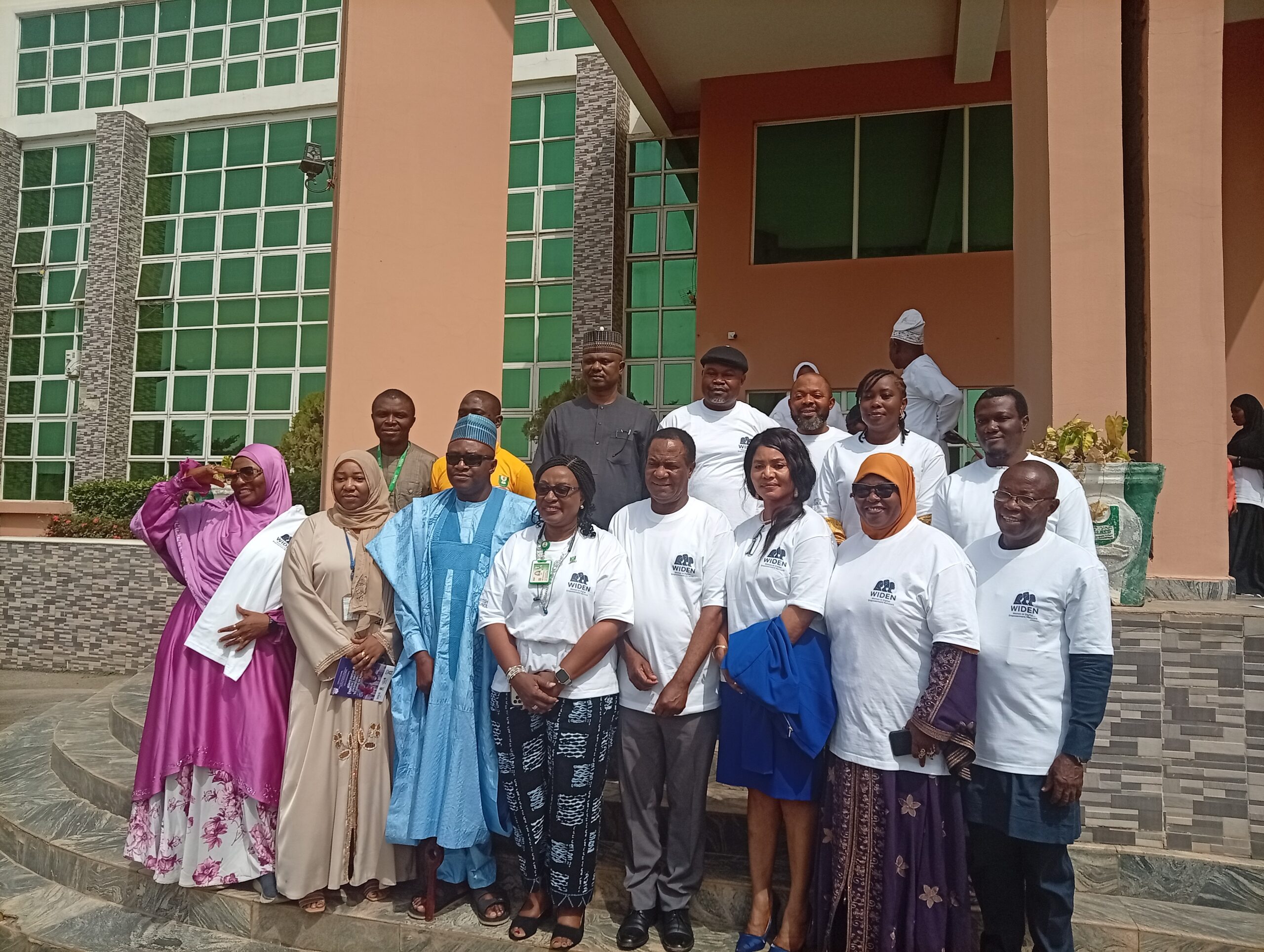
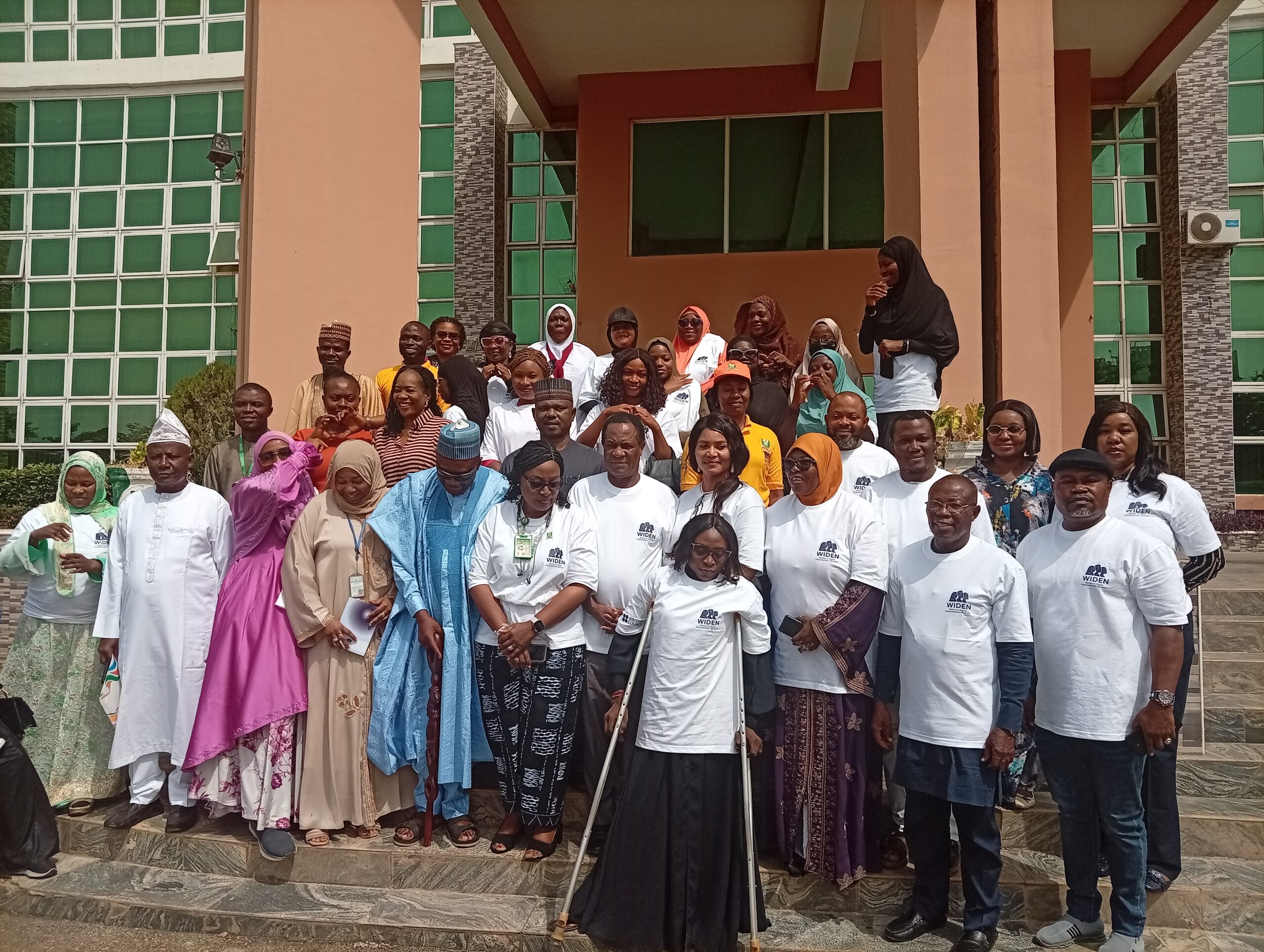
Declaring open the event,Vice-Chancellor of NOUN, Prof Olufemi A. Peters, represented by the Deputy Vice-Chancellor for Technology, Innovation and Research, Prof Christine I. Ofulue, described the WIDEN project as a transformative initiative founded on inclusion, accessible learning and gender-responsive digital empowerment. He expressed gratitude to the British Council for funding the initiative and commended the collaboration among NOUN, Brunel University London and Nasarawa State University, Keffi (NSUK). According to him, the insights generated from the project will support strategic planning and policy development aimed at expanding digital opportunities for women across Nigeria.
In her remarks the Vice-Chancellor of NSUK, Prof Sa’adatu Hassan Liman, represented by the Deputy Vice-Chancellor, Prof Nghargbu K’tso, reaffirmed the institution’s commitment to strengthening digital innovation and supporting women’s participation in technology-driven sectors.
The Federal Ministry of Education was represented by Amina Yazid Ibrahim, who conveyed the goodwill of the Director of University Education, Mrs Rakiya Gambo Ilyasu. She praised the collaborative spirit of the workshop and called on stakeholders to sustain the momentum generated. She highlighted the value of the discussions, testimonies and shared learning, noting that they collectively contribute to a more inclusive digital landscape for Nigerian women.
Representing the Executive Secretary of the National Universities Commission (NUC), Prof Abdullahi Yusuf Ribadu, the Chief Officer of the Directorate of Open Distance and e-Learning, Dr Angela Irene, commended the institutions involved in the WIDEN project. She emphasised that the initiative aligns with the Commission’s ongoing reforms to strengthen digital pedagogy, promote inclusive participation and integrate ICT meaningfully into university administration, teaching and research. She noted that the research being disseminated provides important comparative insights that will guide ongoing regulatory interventions within the Nigerian University System.
A major highlight of the workshop was the presentation of key findings from the Gender Analysis and Needs Assessment (GANA), which captured the experiences of more than 550 young women across Nigeria. The study revealed a predominantly youthful and urban respondent base and highlighted significant gaps in digital skills acquisition, with many women identifying as beginners and the majority having never received formal technology training. Financial limitations, time constraints, inadequate internet access and the absence of local training facilities emerged as major barriers to participation. Despite these challenges, interest in technology careers remains strong, with many women expressing a readiness to pursue opportunities in fields such as data science, software development, digital marketing and tech entrepreneurship. The assessment also showed a high willingness among women to work remotely and highlighted the specific challenges faced by women with disabilities within digital learning and work environments.
The Nigerian Principal Investigator, Prof Ganiyat Adesina-Uthman, provided clarification on project funding and implementation. She disclosed that the British Council awarded a £24,220 grant to Brunel University London as the contracting institution, which then disbursed funds for activities carried out in Nigeria. She explained that more than £10,110 was expended in the first phase, while additional funds supported dissemination efforts. Over 200 women have enrolled in the programme so far, with close to 80 actively engaged—surpassing the initial target of training at least 50 women. She highlighted the impressive pace of innovation among participants, noting that many have already developed practical digital solutions, including applications for school monitoring, memo tracking, postgraduate project management and telemedicine.
Prof Adesina-Uthman stated that the programme, which run from March 2025 to April 2026, remained free to participants while British Council funding continues. She noted, however, that minimal fees may be introduced in future to ensure sustainability, supported by NOUN’s investment in digital infrastructure such as its Learning Management System.
Closing the event, Prof Sami Ayodele, a member of the WIDEN team, expressed appreciation to all partners, facilitators, institutions and participants. He described the workshop as inspiring and impactful, commending the dedication of the principal investigators, co-investigators and collaborators. He emphasised that the ideas, innovations and digital prototypes showcased during the workshop reflect a shared commitment to advancing digital inclusion for women and girls. He called for continued collaboration to ensure even greater achievements as the project progresses.