The National Youth Service Corps (NYSC) is revamping its Skill Acquisition and Entrepreneurship Development (SAED) programme for Corps Members through a standardised curriculum aimed at delivering deeper, measurable impact.
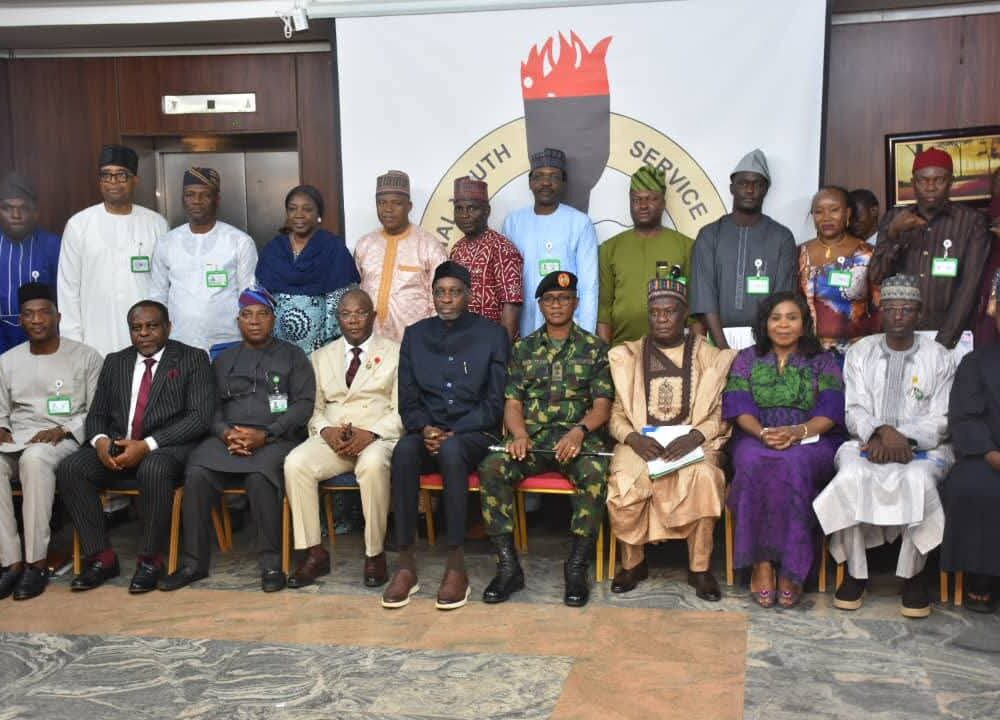
Brigadier General Olakunle Nafiu, Director General of NYSC, announced the overhaul during the 2025 Second SAED Stakeholders’ Summit in Abuja, themed “Empowering a Generation: Building Competence for the Future Workplace and Enterprise Through Impactful Partnerships.”
Highlighting a comprehensive digital transformation of the SAED programme as a key strategy to combat youth unemployment, Nafiu said the new curriculum incorporates emerging skills such as artificial intelligence and mobile application development. Corps Members are also being integrated into the Federal Government’s 3 Million Technical Talent (3MTT) programme, as well as global remote work initiatives through Outsource to Nigeria, NYSC jobs.ng, and the SAED SME toolkit.
Describing SAED as a pillar of youth empowerment, he noted that since 2012, over 3.18 million Corps Members have completed entrepreneurship and workplace readiness training, with more than 30,000 businesses formally registered with the Corporate Affairs Commission (CAC).
“They are employing others and contributing to the Gross Domestic Product while demonstrating that our youths are capable change agents,” he said, stressing the importance of competence, mastery of skills, and digital fluency to make Corps Members highly competitive in a rapidly evolving world.
Nafiu also hailed the recently launched ₦2 billion MSME loan fund for Corps Entrepreneurs in partnership with the Bank of Industry (BoI), describing it as a landmark achievement in supporting young enterprise.
He further acknowledged the foresight of NYSC’s founding fathers in embedding entrepreneurial training within the Scheme’s objectives and emphasized the urgent need to equip young Nigerians with employable skills.
“The unemployment rate as at 1973 was 1.9%, but today it is about 6.9%. We must be committed to empowering a generation whose innovation and enterprise will shape the country’s future,” he said.
Mr Kehinde Aremu-Cole, Director of SAED, also lauded stakeholders for driving transformation across technology, digital skills, creative industries, financial empowerment, and agriculture. He urged partners to create special funding pathways that convert skills and ambition into productive enterprises, saying, “Together, we are not just running a programme: we are building a generation.”