

President Bola Ahmed Tinubu has declared that reliable electricity supply in Nigeria’s hospitals is now a national priority, described the persistent power crisis in health facilities as a life-threatening challenge that must be urgently addressed.
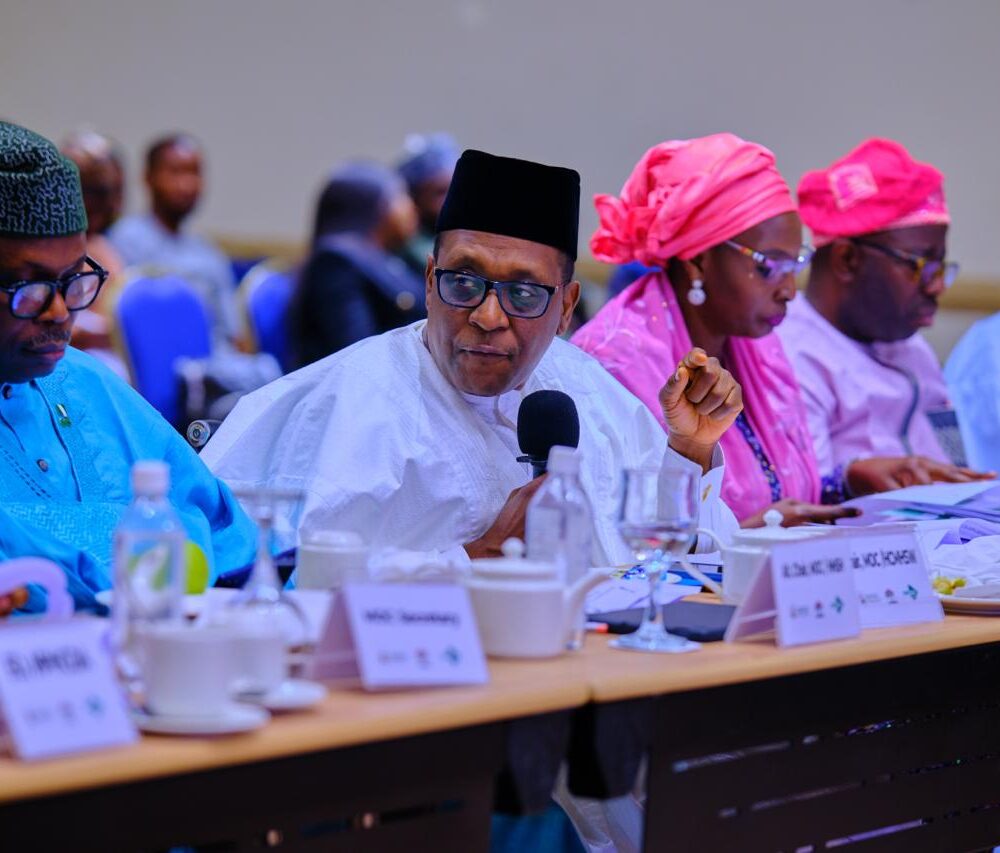
The President, represented by the Secretary to the Government of the Federation, Senator George Akume, made the declaration at the maiden National Stakeholders’ Dialogue on Power in the Health Sector held Tuesday in Abuja.
He emphasised that uninterrupted electricity is central to strengthening healthcare delivery and restoring public confidence in the system.
“In surgical theatres, maternity wards, intensive care units, laboratories, and emergency rooms across the country, power outages too often compromise safety, interrupt care, and cost lives. These outages cannot continue, and under our administration, they should not. Lives are at stake. We must act now,” Tinubu stated.
The President commended the collaboration between the Federal Ministries of Health and Power, describing it as evidence of his administration’s determination to promote synergy among MDAs in solving national problems.
He added that sustainable power supply for hospitals is a key element of his Renewed Hope Agenda, pointing to ongoing reforms under the Energy Transition Plan, which aims to deploy off-grid solar and hybrid systems, attract private investment, and leverage blended financing with development partners.
Tinubu urged health institutions to adopt long-term, community-owned energy systems rather than temporary fixes, insisting that the dialogue must yield measurable outcomes such as energy audits in hospitals, mobilisation of green financing, and the establishment of a results-driven accountability framework.
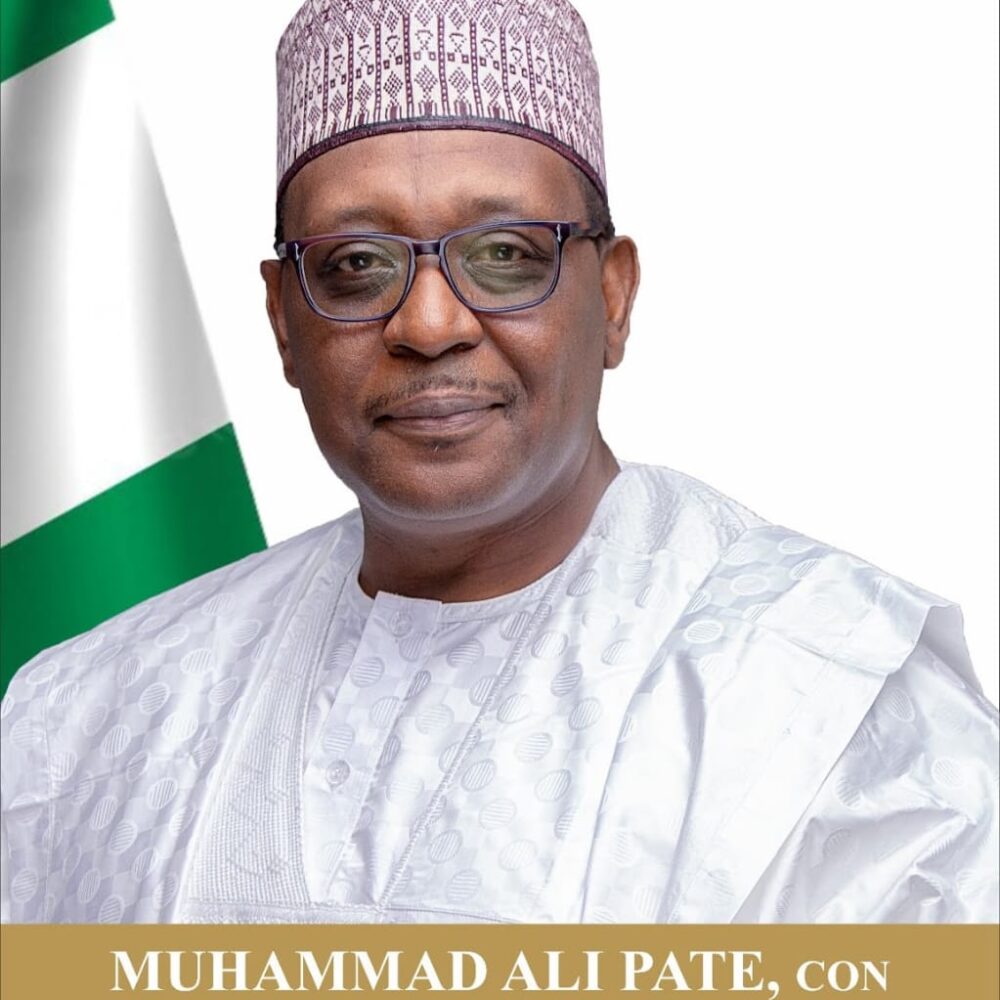
Coordinating Minister of Health and Social Welfare, Prof. Muhammad Ali Pate, noted that power and connectivity remain the missing links in Nigeria’s health transformation, while Minister of State for Health, Dr. Iziaq Adekunle Salako, identified unreliable electricity as the second biggest barrier to healthcare delivery after funding gaps.
“Every time a hospital is plunged into darkness, lives are put at risk. Powering health is not optional it is essential for our survival,” Salako stressed.
Minister of Power, Chief Adebayo Adelabu, said the dialogue represented a turning point in linking energy and health, citing reforms under the Electricity Act 2023, the National Integrated Energy Policy, and renewable energy projects such as solar mini-grids for healthcare centres.
Permanent Secretary of the Ministry of Health and Social Welfare, Daju Kachollom,described electricity in hospitals as “a matter of life, dignity, and hope,” adding that the dialogue’s theme “Powering Health Through Public-Private Synergy: Energising Nigeria’s Health Sector for the Future” – reflects the administration’s determination to ensure affordable and sustainable healthcare.
The two-day dialogue, which began on September 9, is expected to conclude today, September 10, with technical sessions focused on actionable solutions for powering Nigeria’s health sector.