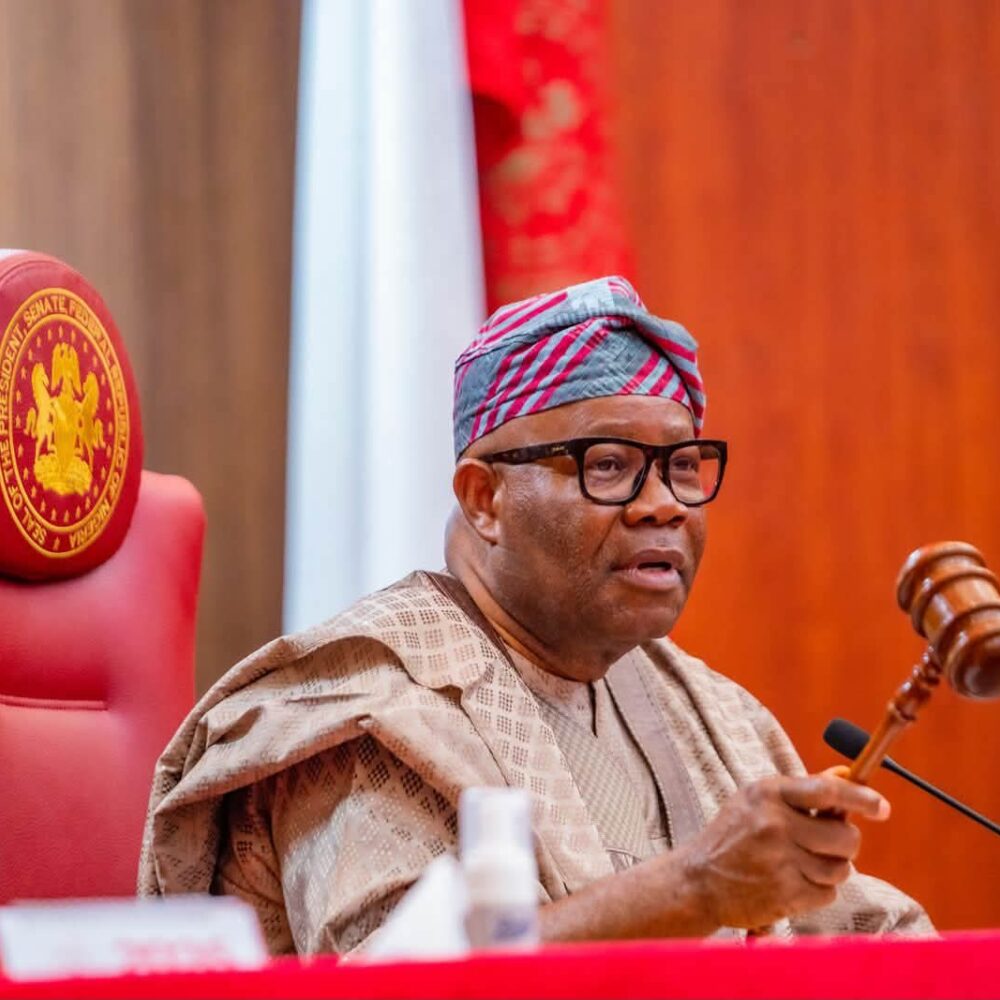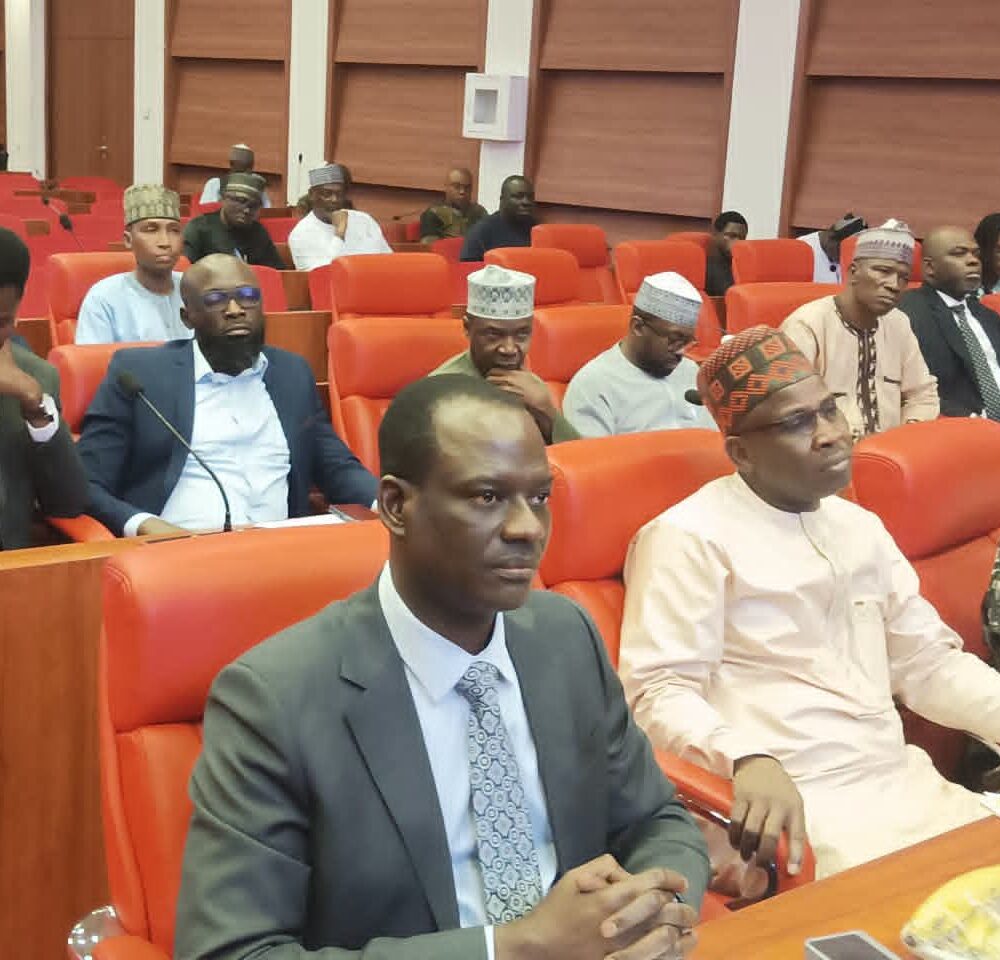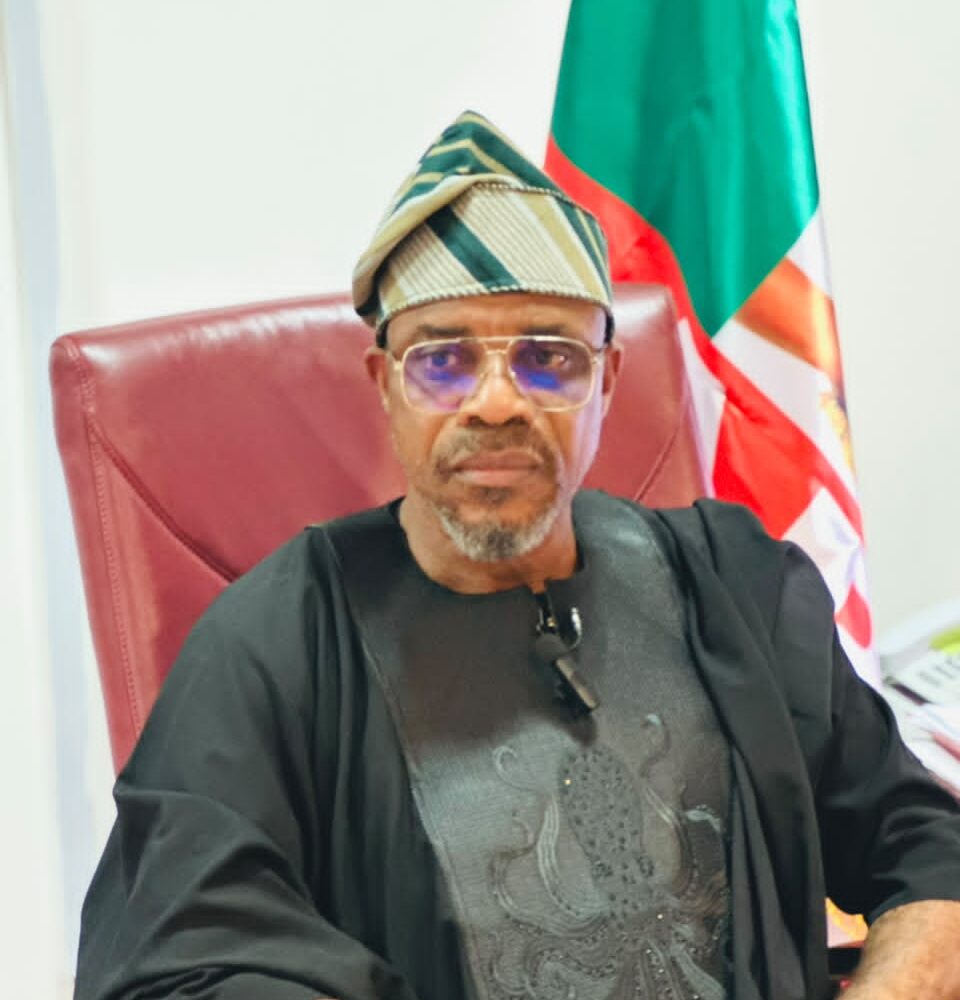

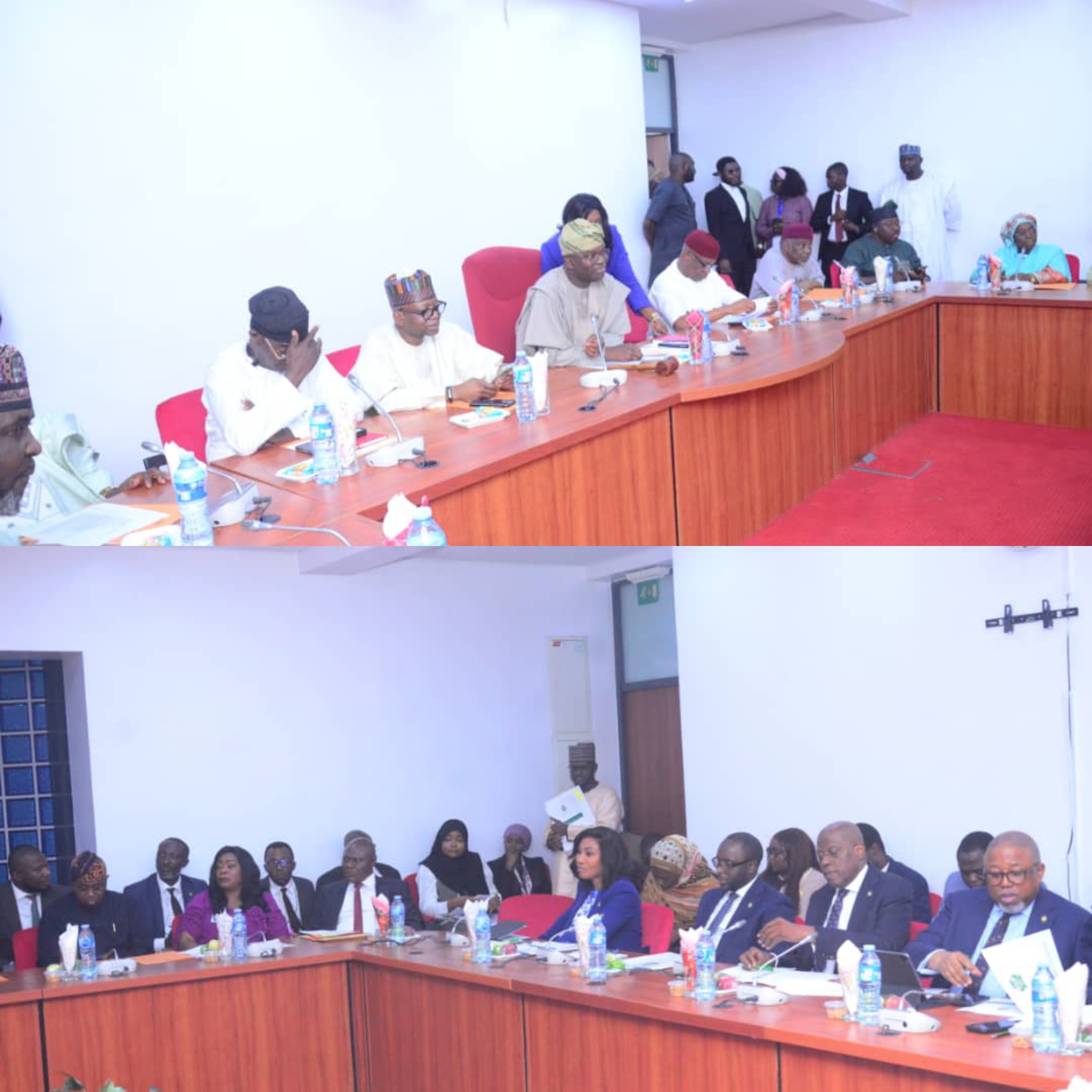
The Governor of the Central Bank of Nigeria (CBN), Olayemi Cardoso, has assured the Senate that Nigeria’s economy remained resilient despite persistent global uncertainties, expressing confidence that ongoing monetary and financial sector reforms will sustain macroeconomic stability and bring inflation down to single digits over the medium term.
Cardoso gave the assurance while presenting the Bank’s Mid-Year 2026 Economic Report before the Senate Committee on Banking, Insurance and Other Financial Institutions.
He said the Nigerian economy recorded steady growth in the first half of 2026, driven by strong performance across key sectors, improved foreign exchange market conditions and a stable banking system.
According to him, although geopolitical tensions, particularly the conflict in the Middle East, created temporary inflationary pressures through higher energy costs and supply chain disruptions, the country’s underlying disinflationary trend has remained intact due to coordinated fiscal and monetary policies.
The CBN Governor explained that the Monetary Policy Committee (MPC) maintained a data-driven approach throughout the review period, easing monetary conditions in February to support economic growth before retaining the Monetary Policy Rate (MPR) at 26.5 per cent in May to consolidate gains in the fight against inflation.
He disclosed that headline inflation rose from 15.06 per cent in February to 15.93 per cent in May following global energy market disruptions but eased slightly to 15.91 per cent in June, indicating a return to its downward trajectory.
“This outcome demonstrates the effectiveness of our monetary policy stance in containing second-round inflationary pressures and anchoring inflation expectations. We remain fully committed to restoring price stability and achieving single-digit inflation over the medium term,” Cardoso said.
On the foreign exchange market, the CBN Governor said reforms had significantly improved transparency, liquidity and investor confidence.
He noted that the introduction of the fourth edition of the Foreign Exchange Manual, implementation of the Nigeria Foreign Exchange Code and deployment of an electronic foreign exchange matching system had strengthened governance and enhanced price discovery.
According to Cardoso, the naira appreciated by about 7.95 per cent during the first half of 2026, with the average exchange rate improving to about ₦1,370.40 per United States dollar from ₦1,490.21 recorded in the second half of 2025.
He also reported a sharp increase in diaspora remittances through official channels, rising from about $200 million to over $600 million monthly following exchange rate reforms and the introduction of the non-resident Bank Verification Number (BVN).
The apex bank, he added, is targeting diaspora remittance inflows of $1 billion per month by the end of 2026.
Cardoso further disclosed that Nigeria’s external reserves rose to approximately $52.73 billion as of July 9, 2026, reflecting stronger foreign exchange inflows and improved market fundamentals.
Highlighting developments in the banking sector, he described the successful completion of the banking recapitalisation programme in March 2026 as one of the country’s most significant financial sector milestones.
According to him, the exercise mobilised ₦4.65 trillion in fresh capital, with over 72 per cent contributed by domestic investors and about 27 per cent by foreign investors, enabling 33 banks to meet the new minimum capital requirements.
He added that discussions were ongoing to address the status of a few non-compliant institutions in a manner that would protect depositors and preserve financial system stability.
Cardoso also announced the launch of the Payments System Vision 2028, describing it as a strategic roadmap for building a secure, inclusive, innovative and globally competitive digital payments ecosystem.
He noted that Nigeria’s improved sovereign ratings by Fitch, Moody’s and Standard & Poor’s reflected growing international confidence in the country’s macroeconomic management and reform agenda.
Looking ahead, the CBN Governor said the Bank would prioritise strengthening post-recapitalisation supervision, deepening foreign exchange market reforms, advancing its transition to an inflation-targeting framework, implementing the Payments System Vision 2028 and safeguarding financial system stability.
He reaffirmed the Central Bank’s commitment to maintaining price stability, strengthening external sector resilience, safeguarding the financial system and supporting sustainable economic growth.
Cardoso expressed optimism that sustained collaboration between the National Assembly, fiscal authorities and other stakeholders would help consolidate recent economic gains and position Nigeria for stronger and more competitive growth.