The Federal Government has confirmed that Nigeria provided actionable military intelligence and granted approval for the United States–led airstrikes against ISIS-linked terrorists in parts of Sokoto State and other areas in Northern Nigeria.
Minister of Foreign Affairs, Ambassador Yusuf Tuggar, made this known on Friday during an interview on Channels Television, described the operation as a joint security effort between Nigeria and the United States.
According to Tuggar, Nigerian authorities maintained direct communication with the United States Secretary of State, Marco Rubio, shortly before the airstrikes were carried out. He disclosed that consultations took place twice—19 minutes and five minutes before the missiles were launched.
“It was Nigeria that provided the intelligence for the U.S. strike. We spoke with the U.S. Secretary of State Marco Rubio twice, once 19 minutes before the strike and another time five minutes before it went on,” the minister stated.
He reaffirmed Nigeria’s commitment to working with international partners to combat terrorism, banditry, kidnapping and other forms of violent crime, stressing that such collaboration is aimed at preventing the loss of innocent lives.
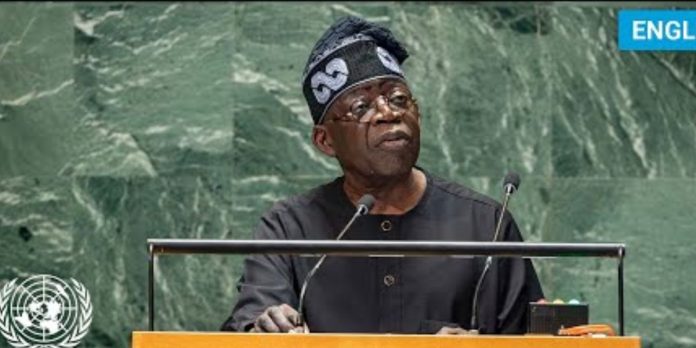
The minister further confirmed that President Bola Ahmed Tinubu personally authorised the operation, insisting that the strike was neither religiously nor ethnically motivated.
“The President was clear before giving the approval that this was a joint operation and not targeted at any religion. Nigeria is a multi-religious nation, and our cooperation with partners like the United States is strictly to defeat terrorism and protect the lives and property of Nigerians,” Tuggar said.
The airstrikes have generated widespread reactions across the country, with security analysts and members of the public expressing divergent views. While many see the operation as a significant step in the fight against terrorism, critics, including Islamic scholar Sheikh Ahmad Gumi, have condemned the action and called for a halt to Nigeria’s military cooperation with the United States.
Despite the controversy, the Federal Government has maintained that intelligence sharing and strategic partnerships remain critical to dismantling terrorist networks and strengthening national security.