Nigeria has reaffirmed its commitment to driving Africa’s digital economy, with the Minister of Industry, Trade and Investment, Jumoke Oduwole, declared that digital trade will play a central role in accelerating continental integration, inclusive growth and economic transformation under the African Continental Free Trade Area.
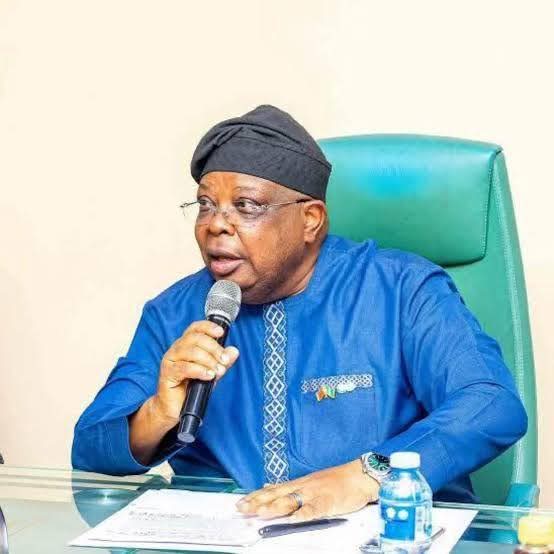
Speaking on behalf of President Bola Ahmed Tinubu at the opening of the second AfCFTA Digital Trade Forum in Lagos, Oduwole described the gathering as a vital platform for translating the AfCFTA Digital Trade Protocol into practical opportunities for businesses across Africa.
Addressing participants on the theme, “Digital Trade for a Connected African Market,” the minister noted that while the AfCFTA has created a market of more than 1.4 billion people with a combined GDP exceeding $3 trillion, its success would depend on how easily businesses can expand across borders through digital commerce.
She said digital trade is transforming the way commerce is conducted by enabling entrepreneurs, innovators and service providers to access regional markets without the traditional barriers associated with physical presence.
Oduwole highlighted Nigeria’s leadership as co-champion of the AfCFTA Digital Trade Protocol alongside Kenya and South Africa, noting that Nigeria is the first country to secure parliamentary approval for the protocol. She said the achievement reflects Nigeria’s position as Africa’s largest digital and fintech ecosystem and its commitment to building an integrated African Digital Single Market.
The minister also outlined ongoing economic reforms under the Tinubu administration’s Renewed Hope Agenda, citing improvements in macroeconomic stability, exchange rate reforms, increased investor confidence and capital importation that exceeded $20 billion in 2025.
She added that recent reforms, including the Tax Reform Acts, the Investment and Securities Act 2025 and strengthened intellectual property protections, are designed to support innovation and attract investment in the digital economy.
According to Oduwole, the ministry has completed Africa’s first comprehensive mapping of Nigeria’s digital services ecosystem, producing the continent’s first directory of digital services firms while identifying priority expansion markets such as Egypt, Ghana, Kenya, Rwanda and South Africa.
She further disclosed that Nigeria is spearheading efforts to reduce regulatory barriers through the Digital Trade Regulators’ Working Group, which is developing market entry and investment guidelines aimed at simplifying licensing procedures, improving transparency and reducing expansion costs for African digital service providers.
The minister observed that although only five per cent of Africa’s digitally delivered services are traded within the continent, the figure represents a significant opportunity to deepen intra-African trade through harmonised regulations, improved digital infrastructure and efficient cross-border payment systems.
Also speaking, Wamkele Mene commended Nigeria for hosting the forum and for its leadership in implementing the Digital Trade Protocol.
Mene described the forum as Africa’s leading platform for advancing awareness, collaboration and practical implementation of digital trade. He noted that Africa’s digital economy, currently valued at about $180 billion, is projected to reach $712 billion by 2050, driven by expanding mobile connectivity, fintech innovation, artificial intelligence and the continent’s youthful population.
He urged member states to accelerate the ratification and domestication of the Digital Trade Protocol while investing in digital infrastructure, harmonising regulations and promoting greater participation of women, youth and micro, small and medium enterprises in cross-border digital commerce.
Welcoming delegates, Folashade Bada Ambrose-Medebem described Lagos as Africa’s commercial and innovation hub, reaffirming the state’s readiness to collaborate with governments, businesses and investors in building a seamless continental digital marketplace.
From the private sector, Yele Oyekola called for stronger collaboration between governments and businesses to transform the AfCFTA from a policy framework into an operational reality.
He said the next phase of the agreement would be determined by whether African businesses can seamlessly make payments, trade, comply with regulations and scale operations across borders. Oyekola also advocated greater investment in interoperable digital infrastructure and highlighted the importance of the Pan-African Payment and Settlement System in facilitating frictionless cross-border commerce.
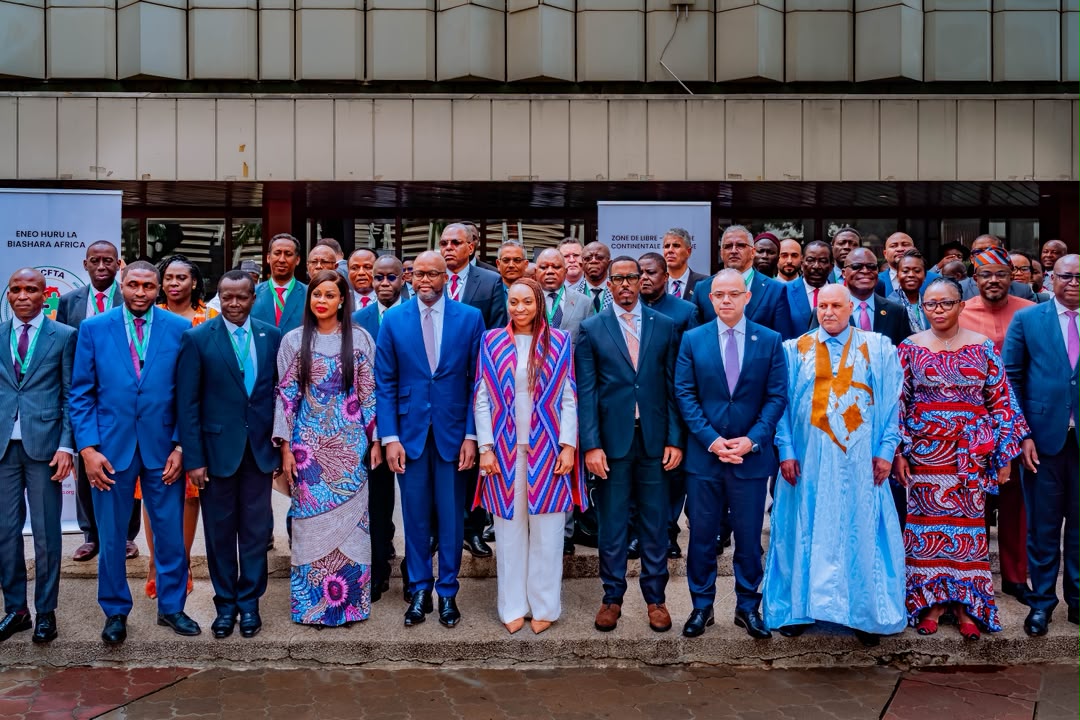
The two-day forum brought together government officials, regulators, development partners, private sector leaders and innovators to strengthen collaboration on implementing the AfCFTA Digital Trade Protocol and unlocking new opportunities for African businesses in the continent’s rapidly expanding digital economy.