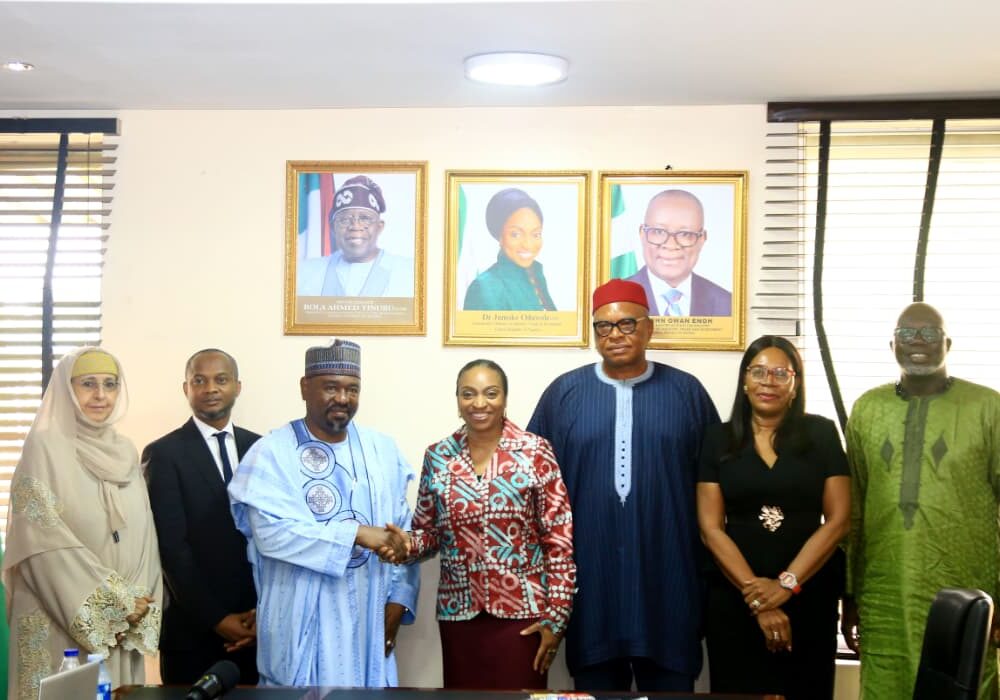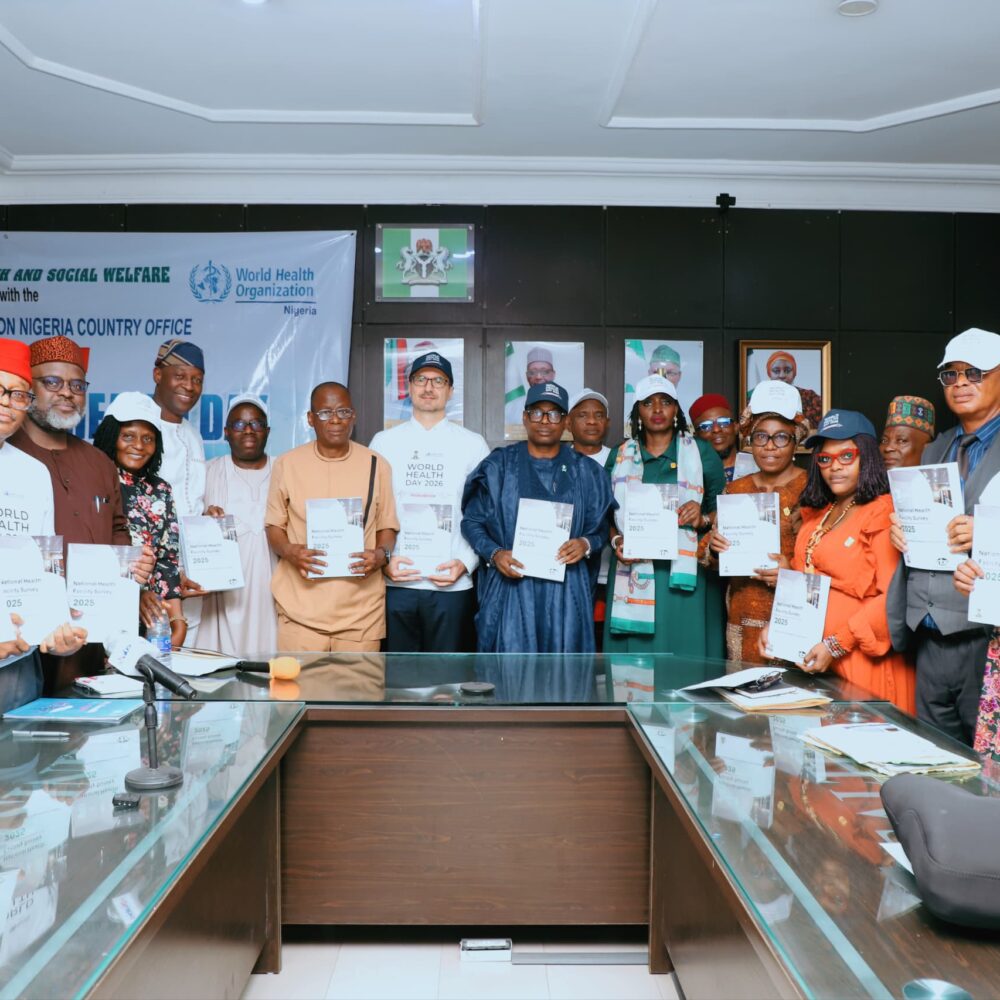


The Nigeria Customs Service (NCS) has intensified efforts to ensure the successful implementation of the National Single Window (NSW) project as part of its commitment to advancing Nigeria’s trade modernisation and digital transformation agenda.
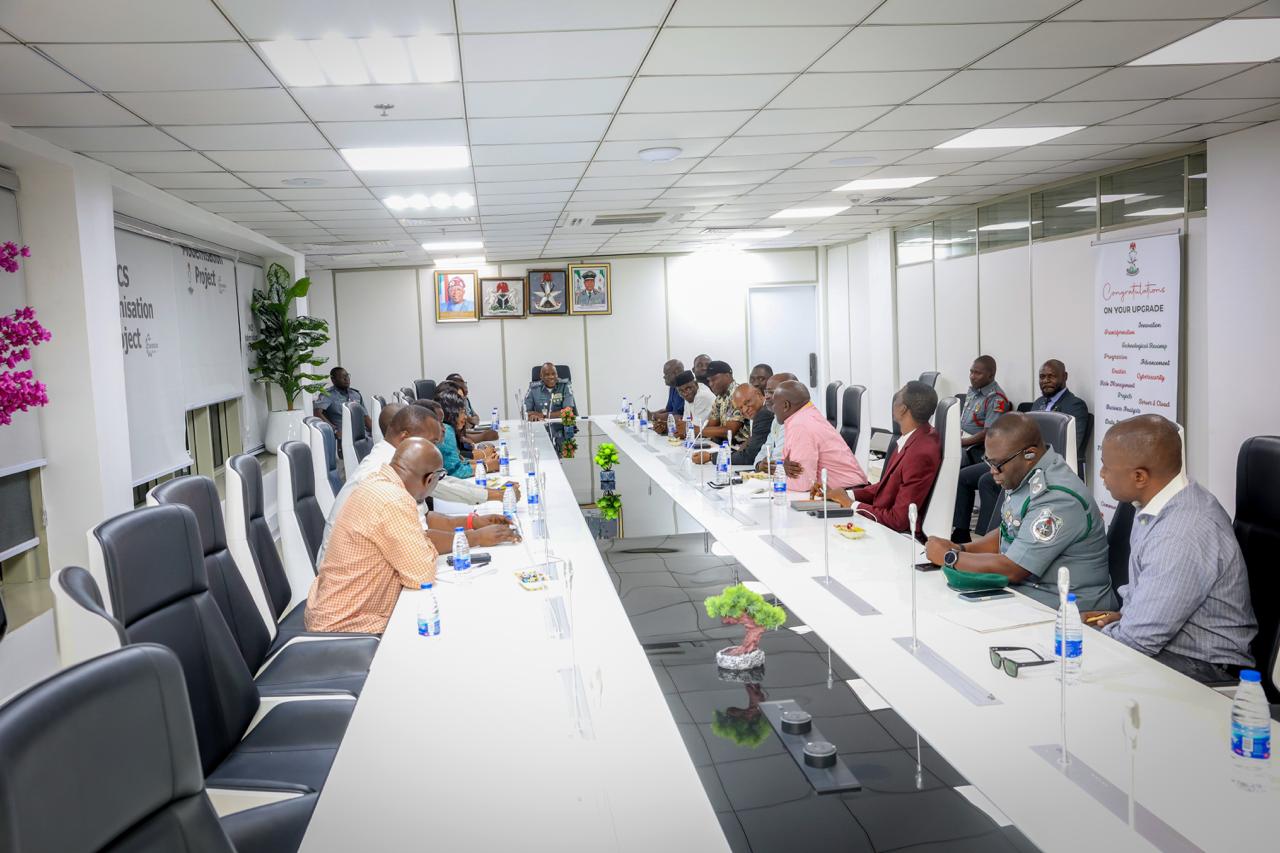
Speaking during a stakeholder engagement with airline and shipping line operators in Abuja on March 4, 2026, the Comptroller-General of Customs emphasised the need for strong collaboration among stakeholders to ensure a smooth rollout of the initiative. He noted that support from critical partners has been instrumental in the progress recorded in the Service’s modernisation drive.
According to him, President Bola Ahmed Tinubu has mandated the Service to take decisive steps towards launching the National Single Window, described the initiative as a strategic move aimed at positioning Nigeria as a major player in global trade. He added that airline and shipping operators remain vital partners in ensuring a seamless transition to the new digital system.
The Comptroller-General also assured stakeholders that adequate support mechanisms would be established to facilitate the migration process.
“A help desk with well-trained personnel will be available to address any operational challenges that may arise during the rollout,” he said.
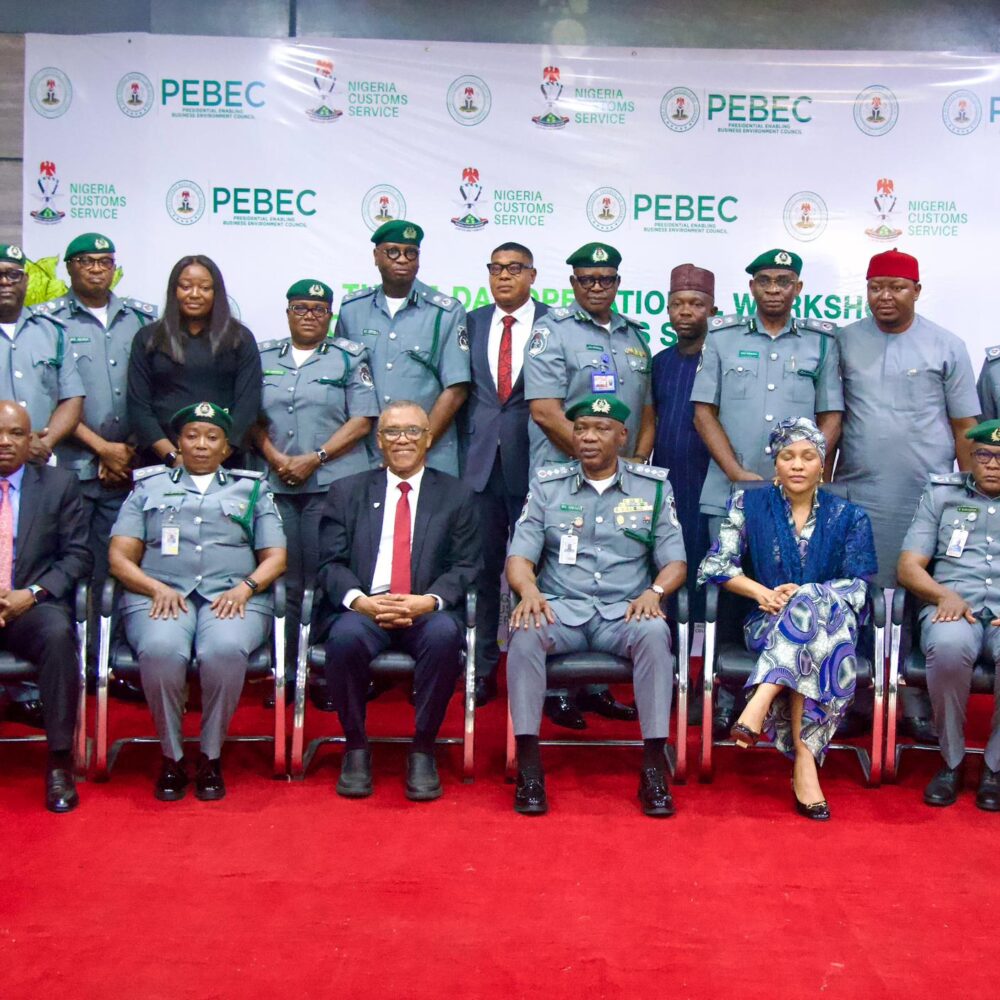
Earlier, during an awareness programme held on March 3, the NCS rallied stakeholders and partner agencies behind the project, describing the National Single Window as a strategic reform aligned with the Service’s mandate of trade facilitation, revenue generation and enhanced inter-agency coordination.
Speaking at the programme, the Deputy Comptroller-General of Customs in charge of ICT and Modernisation, Oluyomi Adebakin, described the NSW as a major milestone in the Service’s ongoing modernisation efforts. She disclosed that the NCS had been working for months to develop a framework that reflects operational realities and ensures seamless implementation.
“This is a national project, but Customs is at the centre of its execution,” Adebakin said, adding that the success of the initiative would depend on collective understanding and cooperation among stakeholders.
She further reassured officers and industry operators that the initiative is designed to strengthen institutional capacity rather than replace human resources, explaining that technology would improve efficiency, transparency and speed in cargo clearance and trade documentation processes.
Also speaking, the Director of the NSW Project, Tola Fakolade, acknowledged the critical leadership role being played by the Nigeria Customs Service in driving the implementation process.
“Our number one stakeholder is the NCS,” Fakolade said, noting that the Service’s institutional experience and active participation remain key to the success of the project.
With the Customs Service spearheading coordination and stakeholder engagement, the National Single Window project is expected to transform Nigeria’s trade environment, boost revenue generation and strengthen the country’s competitiveness in the global trading system.