
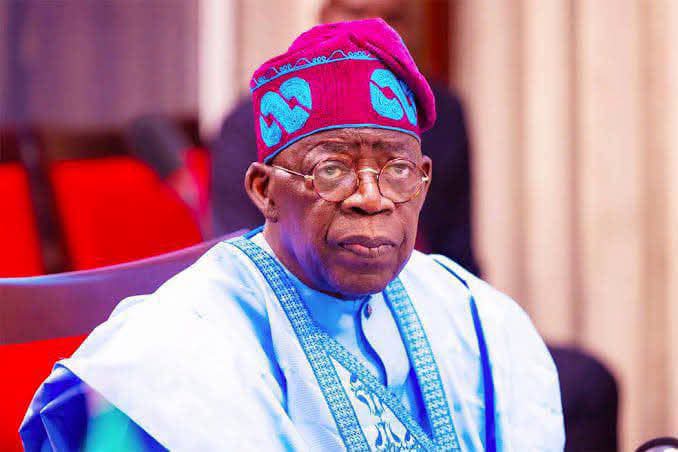
The Independent Media and Policy Initiative (IMPI) has credited the resilience and patriotic endurance of Nigerians with sustaining the economic reform agenda of President Bola Ahmed Tinubu, describing citizens as the real drivers of the country’s transition from a consumption-based to a productivity-driven economy.
In a statement titled “Nigerians as Actual Executors of Tinubu’s Reforms as Economy Transits from Consumption to Productivity,” released in Abuja, IMPI Chairman, Dr. Omoniyi Akinsiju, said the success and long-term sustainability of the administration’s reforms depend largely on the sacrifices and active participation of Nigerians.
According to Akinsiju, Nigerians have played three critical roles in the reform process by absorbing the immediate economic shocks, demanding accountability in the use of public resources, and embracing behavioural changes that encourage local production and economic growth.
He noted that citizens have endured the inflationary pressures and rising cost of living triggered by the removal of fuel subsidy and the floating of the naira, thereby providing the government with the fiscal space needed to stabilise the economy, rebuild external reserves, and avert a sovereign default.
The IMPI chairman also stressed that Nigerians have continued to strengthen the social contract by demanding transparency and accountability in the deployment of savings from subsidy removal. He said public scrutiny through civil society organisations, traditional and social media has increased pressure on government institutions to channel funds into infrastructure, healthcare, education and other critical sectors.
Akinsiju added that public participation is essential to the success of intervention programmes such as the Nigerian Education Loan Fund (NELFUND), the Compressed Natural Gas (CNG) transport initiative, and direct cash transfer schemes, noting that sustained oversight would help prevent corruption and ensure intended beneficiaries receive support.
On economic productivity, he said the floating exchange rate has made imported goods more expensive, encouraging consumers and businesses to patronise locally produced goods and services. He argued that supporting domestic manufacturing, agriculture and technology enterprises would reduce Nigeria’s dependence on imports and foreign exchange volatility.
He further stated that as more businesses and individuals embrace the formal economy, Nigeria would gradually build a stronger tax-based fiscal system capable of reducing reliance on oil revenue.
Reviewing Nigeria’s economic history, Akinsiju criticised previous administrations for relying on exchange rate controls, fuel subsidies and other interventionist policies, which he said encouraged rent-seeking, weakened productive sectors and exposed the economy to external shocks.
He argued that the Tinubu administration had departed from that approach by unifying the foreign exchange market, eliminating fuel subsidy and allowing market-driven pricing mechanisms to operate.
According to him, the reforms have improved investors’ perception of Nigeria by demonstrating the government’s willingness to implement difficult but necessary policies aimed at achieving long-term economic stability.
Akinsiju maintained that the administration’s economic philosophy is anchored on increasing domestic production, promoting value addition to exports, accelerating institutional digitisation and implementing long-term industrial development strategies to reposition Nigeria for sustainable growth.