
The Managing Director and Chief Executive of the Nigeria Social Insurance Trust Fund (NSITF), Oluwaseun Faleye, has said the Employees’ Compensation Scheme (ECS) is helping to restore hope, dignity and confidence to Nigerian workers who suffer injuries in the course of their duties.
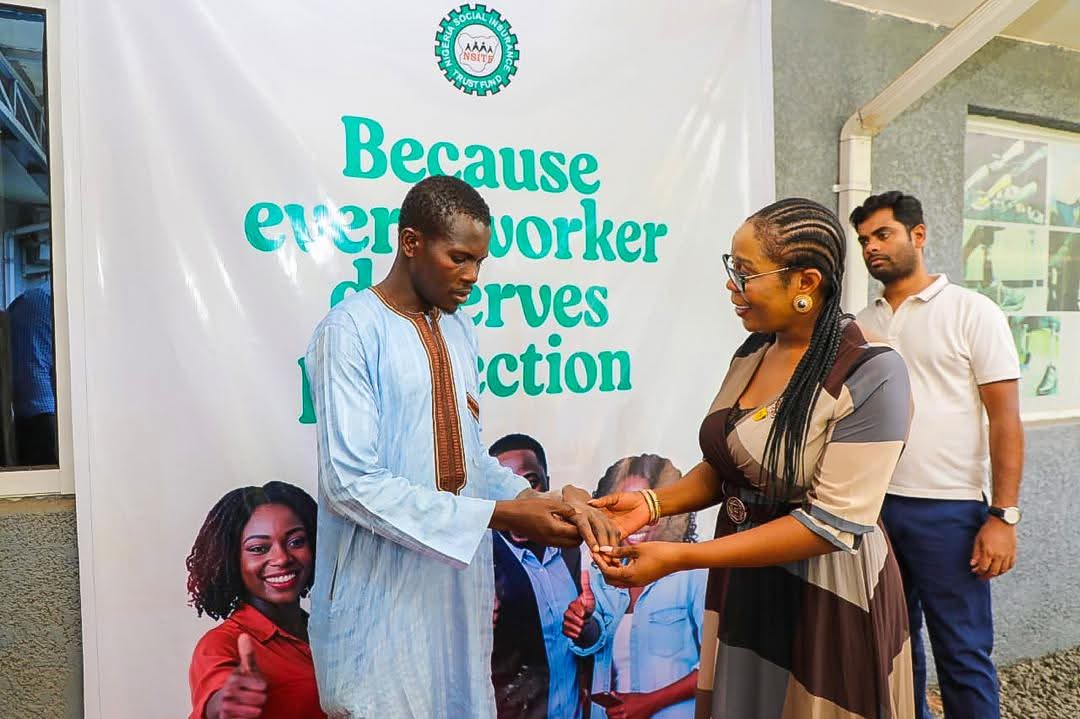
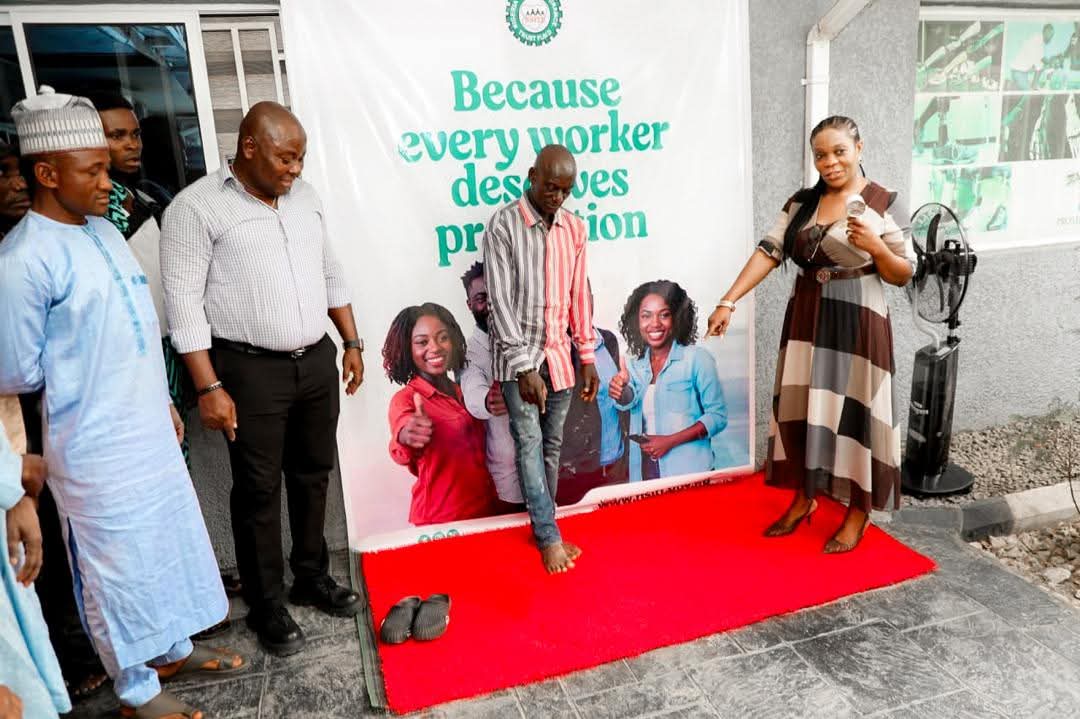
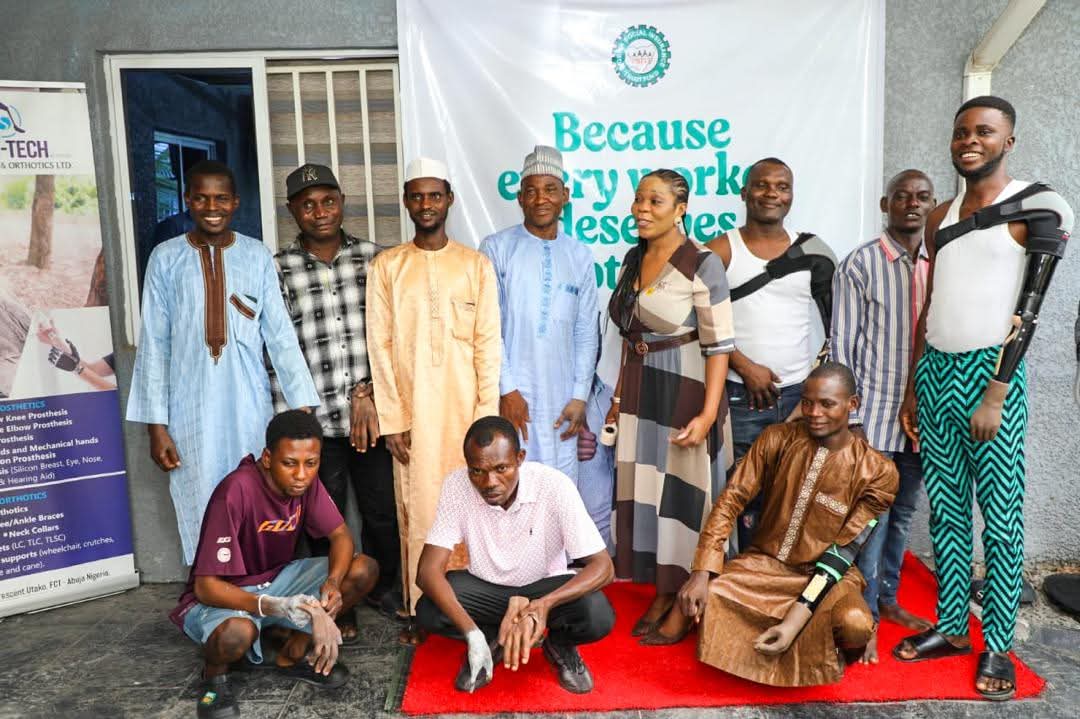
Faleye stated this in Abuja during the presentation of prosthetic limbs to 10 beneficiaries under the scheme.
Represented by the General Manager, Claims and Compensation, Mrs. Nkiru Ogunnike, the NSITF boss said the initiative has continued to bring relief and renewed confidence to injured workers through rehabilitation and reintegration support.
According to him, the Employees’ Compensation Scheme goes beyond statutory compensation, reflecting a humane commitment to preserving the dignity of workers affected by occupational hazards.
He noted that workplace accidents often leave victims not only with physical injuries but also emotional trauma and uncertainty about the future.
Faleye explained that for many Nigerian workers, a single workplace incident could permanently alter the course of their lives, adding however that the intervention of the NSITF through the ECS offers victims a second chance to rebuild their lives and regain independence.
Highlighting the impact of the scheme, he cited the experiences of two beneficiaries, Daniel Etim, a staff member of the University of Uyo Printing Press, and Festus Okpara of Tower Aluminium Laos.
Daniel reportedly lost his arm in May 2024 after it was trapped in an industrial machine during routine work, an injury that eventually led to amputation.
Faleye said the NSITF fully covered Daniel’s medical treatment under the ECS and also provided him with a prosthetic arm as part of efforts to restore his confidence and functionality.
“Daniel’s story underscores the broader mandate of the Employee Compensation Scheme, a social protection mechanism designed to ensure that Nigerian workers who suffer workplace injuries, disabilities, occupational diseases, or death are not abandoned in moments of vulnerability,” he said.
The NSITF boss also recounted the case of Festus Okpara, whose workplace accident occurred in 2015 and resulted in the loss of his hand.
According to him, beyond the physical pain, Festus endured years of emotional trauma and social discomfort arising from public reactions to his condition.
He said the NSITF later provided him with a silicone prosthetic hand, helping him regain confidence and a renewed sense of inclusion.
“For beneficiaries like Daniel and Festus, the interventions of the NSITF have become more than institutional obligations; they represent hope, restoration and reassurance that injured workers are not left to navigate tragedy alone,” Faleye stated.
He stressed that the interventions highlight the critical role of the NSITF in implementing the Employees’ Compensation Scheme, which serves as a vital safety net for workers in both the public and private sectors.
Speaking during the event, Festus Okpara expressed gratitude to the NSITF for the support.
“I thank NSITF for coming all this way to help. At least with this silicone artificial hand, I can go out in public and feel free. NSITF has reduced the level of trauma,” he said.
The 10 beneficiaries are part of the 78 persons recently fitted with artificial limbs under the ongoing rehabilitation and reintegration programme of the NSITF.