
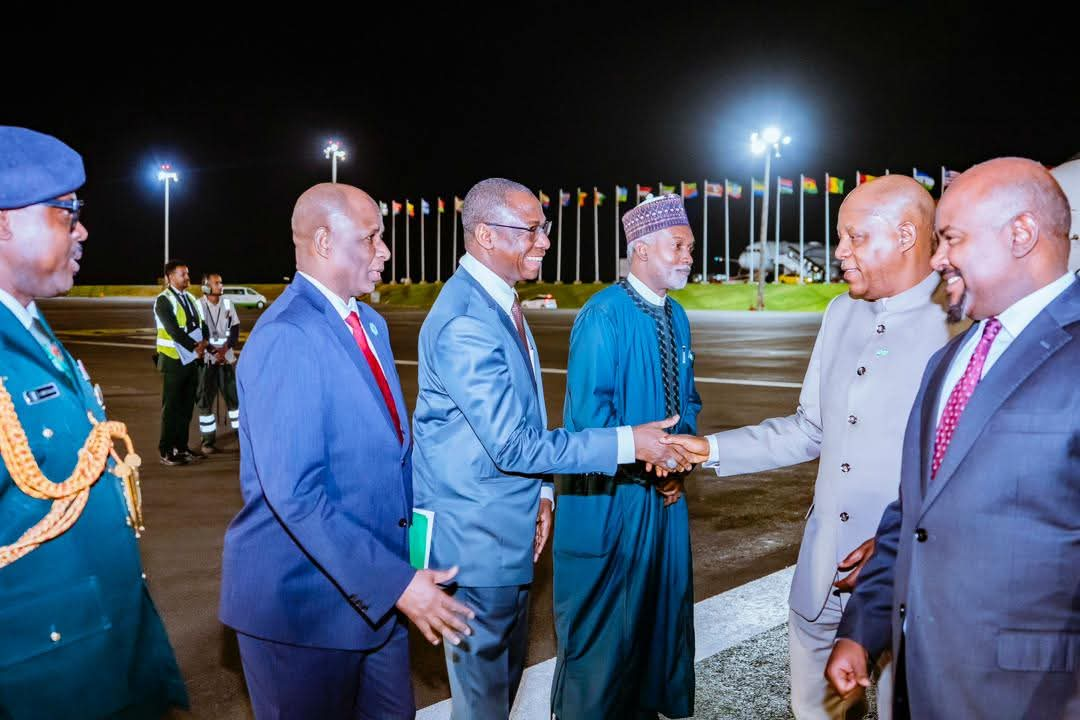
Vice President Kashim Shettima has arrived in Addis Ababa, Ethiopia, to represent President Bola Ahmed Tinubu at the 39th Ordinary Session of the African Union (AU) Assembly scheduled for February 14–15, 2026.
The summit is expected to advance Africa’s shared development priorities under the African Union Agenda 2063 framework, the continent’s long-term blueprint for inclusive growth and sustainable development.
Shettima was received on arrival at Bole International Airport by Ethiopia’s Minister of Innovation and Technology, Dr. Belete Mola; State Minister of Foreign Affairs, Ambassador Berhanu Tsegaye; Nigeria’s Minister of Foreign Affairs, Ambassador Yusuf Maitama Tuggar; the Head of the Nigerian Embassy in Addis Ababa; and other senior government officials.
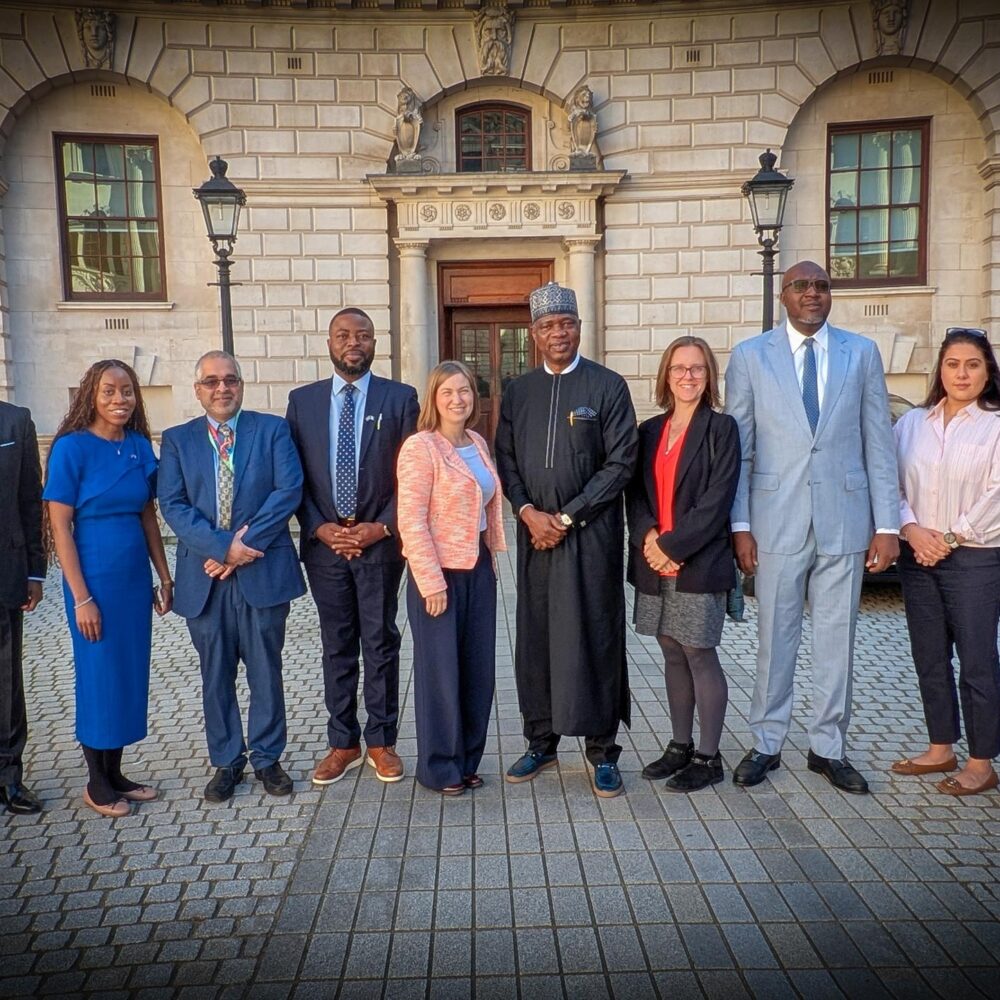
The Ministry of Foreign Affairs also highlighted Nigeria’s significant diplomatic and institutional gains at the just concluded 48th Session of the Executive Council of the African Union, where the Nigerian delegation was led by Ambassador Tuggar and attended by the Minister of Finance.
A major highlight of the session was the Council’s agreement to grant Nigeria a permanent seat on the Board of the African Central Bank a landmark development that reinforces Nigeria’s strategic influence in shaping Africa’s financial architecture. The decision also extends Nigeria’s representation to the Board of the Technical Convergence Committee of the African Monetary Institute, the precursor institution to the African Central Bank.
The Ministry described the development as a strong affirmation of Nigeria’s technical capacity, economic standing, and commitment to advancing Africa’s monetary integration agenda.
In the area of peace and security, candidates jointly presented by the Economic Community of West African States (ECOWAS), including Nigeria, were successfully elected to the Peace and Security Council of the African Union. The outcome reflects regional cohesion and a shared commitment to promoting stability and collective security across the continent.
Nigeria also demonstrated leadership in strengthening democratic governance by convening a Ministerial High-Level Panel Discussion on Regional Partnerships for Democracy. The session attracted broad participation from ministers and delegates across Africa and the international community, fostering dialogue on inclusive governance, institutional strengthening, and collaborative approaches to sustaining democratic values.
According to the Ministry, Nigeria’s engagements at the Executive Council session reaffirm the country’s commitment to the core ideals of the African Union, particularly in promoting economic integration, institutional development, peace, security, and democratic governance.
The Federal Government reiterated its resolve to continue working closely with AU Member States and regional bodies to advance Africa’s shared prosperity and sustainable development.