Nigeria has commended China’s rapid industrial transformation and called for stronger bilateral cooperation following the conclusion of a high-level international seminar in Beijing.
 . Lo mo
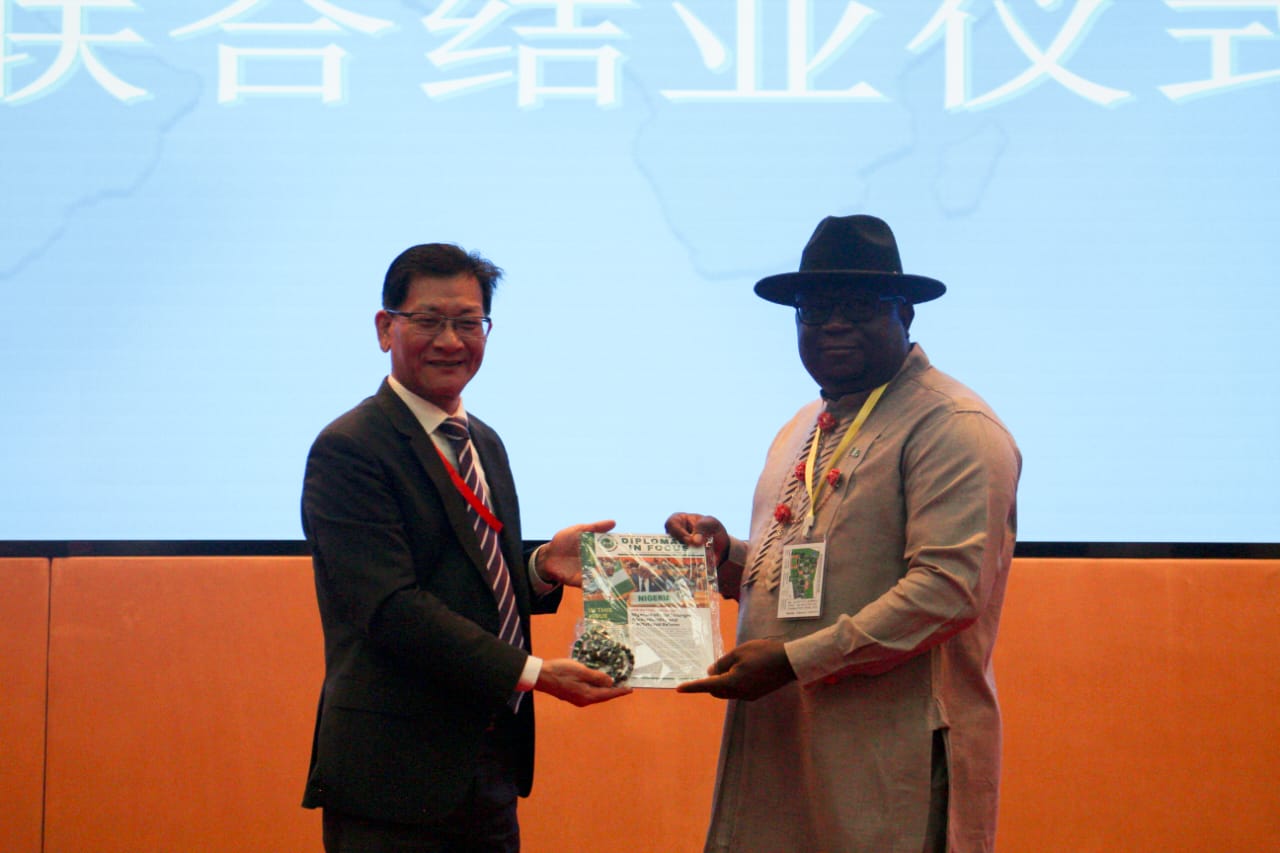
Speaking at the joint closing ceremony of the Seminar on Industrial Cooperation and New Industrialisation under the Global Development Initiative, the spokesperson of Nigeria’s Ministry of Foreign Affairs, Mr. Kimiebi Imomotimi Ebienfa, described the programme as “intellectually enriching and transformative.”
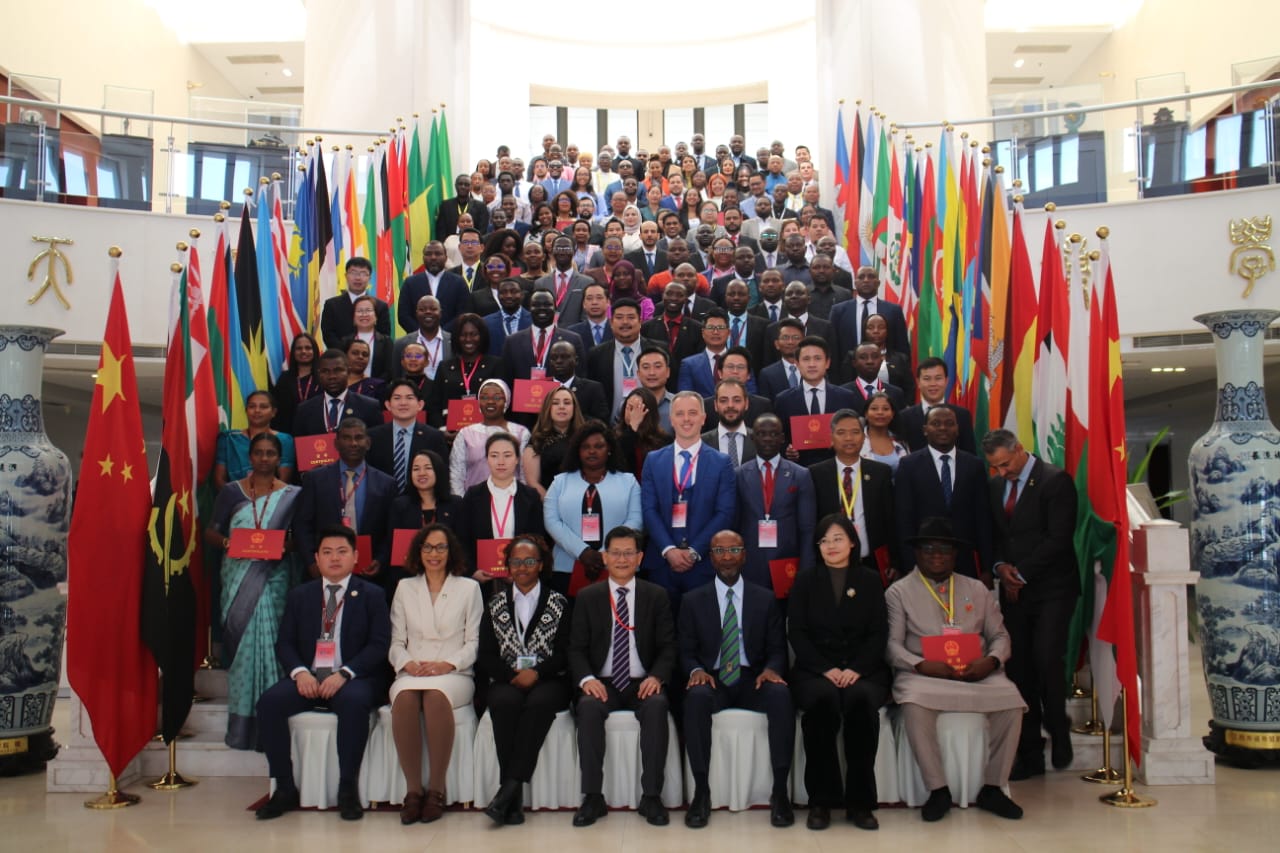
The seminar, organised by the Academy for International Business Officials (AIBO), brought together 130 participants from 10 countries across Africa, Asia, Oceania, and Latin America between March 19 and April 1, 2026.
Ebienfa expressed gratitude to the Chinese Government and AIBO for the opportunity, noting that the training provided participants with deep insights into industrial policy, technological innovation, and development frameworks that have powered China’s economic rise.
He highlighted that the exposure to China’s industrial ecosystem including visits to key sites such as the Great Wall, the Museum of the Communist Party of China, Suzhou Industrial Park, and the Suzhou-Changshu Economic and Technological Zone offered practical lessons on infrastructure development, clean energy utilisation, and advanced manufacturing.
According to him, the experience underscores the importance of people-oriented national development plans, strategic resource management, and international cooperation in achieving sustainable growth.
The Foreign Affairs spokesperson stressed that the lessons learned are particularly significant for Sub-Saharan Africa, urging governments in the region to harness their youthful population and natural resources to drive industrialisation and economic prosperity.
He further described China as a dependable partner to Africa, noting that both sides stand to gain from expanded cooperation, especially in areas of investment, infrastructure, and capacity building.
Ebienfa also lauded the role of the Chinese Embassy in Abuja for facilitating Nigeria’s participation and commended the organisers for their hospitality and seamless coordination throughout the programme.
He expressed confidence that participants would return to their respective countries as ambassadors of industrial cooperation, committed to strengthening ties with China and advancing inclusive development.
Reaffirming Nigeria’s appreciation, he thanked the Chinese Government for its continued support in funding critical infrastructure and development projects in the country, as well as for promoting international cooperation through initiatives such as the Global Development Initiative.
The event ended on a note of renewed commitment among participating countries to foster stronger partnerships and work towards a more inclusive and prosperous global future.