

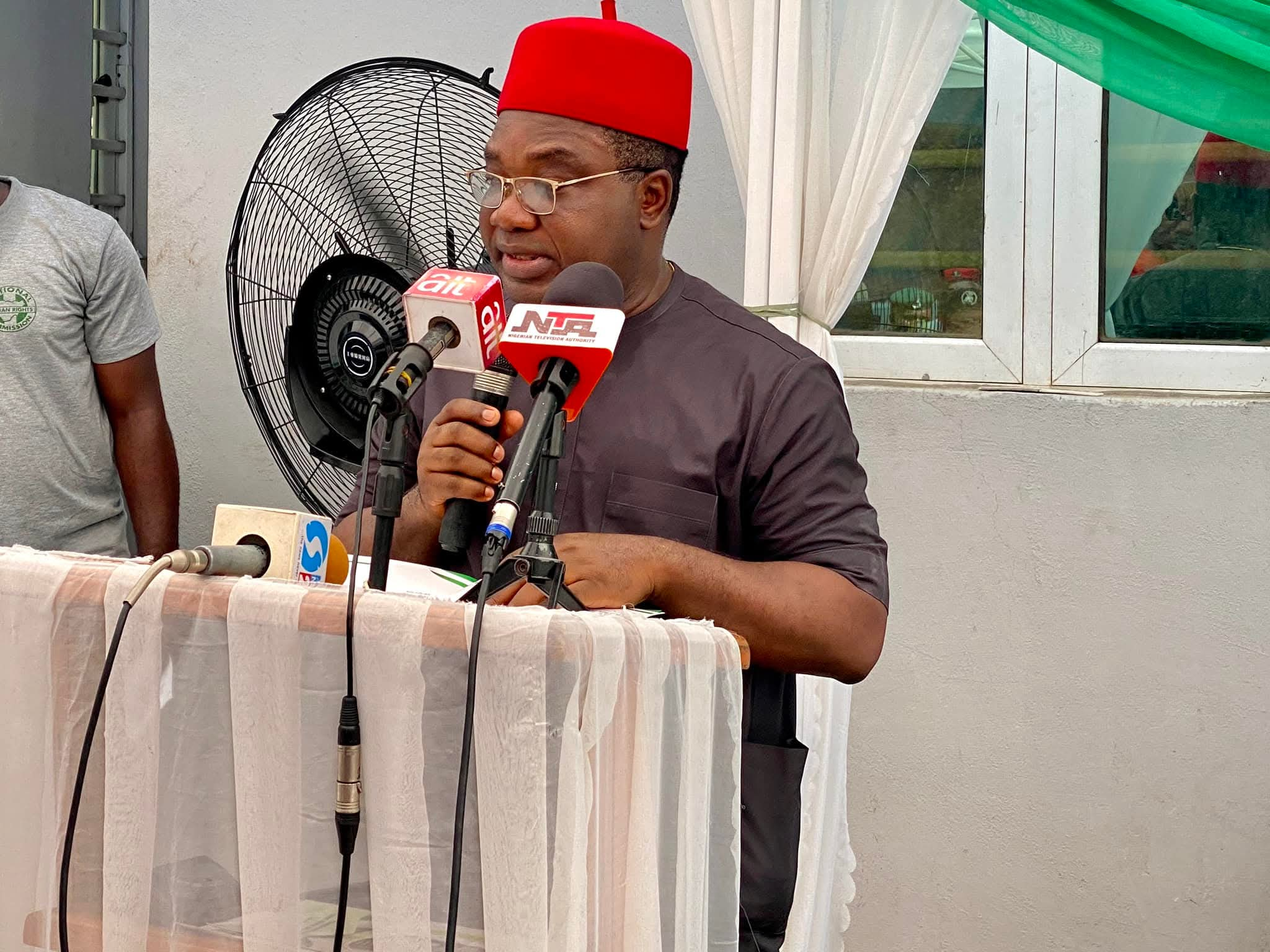
The National Human Rights Commission (NHRC) has called on governments and stakeholders across Nigeria to strengthen social protection measures and guarantee the protection of citizens’ rights as the country joins the global community to commemorate the 2026 World Day of Social Justice.
The Executive Secretary of the Commission, Tony Ojukwu, made the call on Thursday while marking the annual observance held every February 20, stressing that social justice remains fundamental to national development and human rights advancement.
Ojukwu noted that Nigeria cannot afford to neglect social justice, described it as a prerequisite for social development, economic growth, and human rights progress, particularly amid rising insecurity, inflation, youth unemployment, and climate-related challenges.
He urged governments at all levels to implement responsive policies addressing the needs of vulnerable groups, including unemployed persons, victims of administrative injustice, Internally Displaced Persons (IDPs) affected by insurgency and flooding, survivors of gender-based violence, persons with disabilities, and individuals facing emerging digital rights concerns in the era of artificial intelligence.
The NHRC boss described poverty as a serious human rights violation, warning that economic inequality has deepened following fuel subsidy removal and naira depreciation, which have significantly increased the cost of living for low-income households. He emphasized the need for robust social safety nets to cushion the impact on vulnerable citizens.
Ojukwu also raised concerns over growing ethnic and regional tensions, calling for dialogue and equitable resource distribution among states to promote inclusion and national cohesion. According to him, fair federalism remains essential for strengthening unity and reducing marginalisation.
He further encouraged Nigerians to utilise NHRC complaint mechanisms to seek redress for rights violations, noting that the primary responsibility of government is the welfare and security of citizens.
The Executive Secretary equally called for sustained implementation of the Discrimination Against Persons with Disabilities (Prohibition) Act 2018, stressing the importance of accessible public infrastructure and digital platforms, including ramps, braille signage, and inclusive technology, to enhance the enjoyment of human rights by persons with disabilities.