
By James Isaac, Abuja
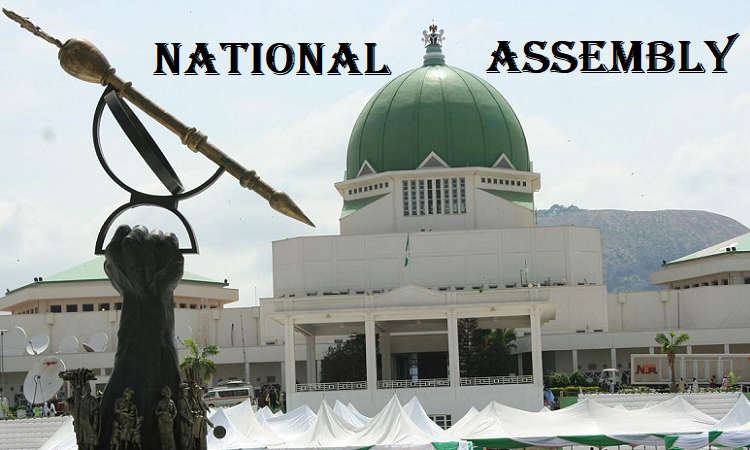
In a bold move to improve the credibility and transparency of Nigeria’s electoral system, the EuroPlus Management/Consulting Group has called for sweeping reforms to the country’s electoral framework. The group’s proposals, presented during a public hearing organized by the National Assembly Joint Committee on Electoral Matters on Monday, October 13, 2025, include significant changes to the electoral process as the nation prepares for the 2027 general elections.
Abdullahi Shehu, an Anti-Money Laundering Expert who represented the group, stressed the need for the National Judicial Council (NJC) to play a pivotal role in the appointment of the Independent National Electoral Commission (INEC) chairman. According to Shehu, having the NJC recommend candidates for the position would guarantee greater independence for INEC and reduce potential political interference. The President, under this proposal, would nominate the chosen individual, who would then be subject to Senate confirmation.
One of the most ambitious recommendations was the unbundling of INEC into three distinct commissions. The first would handle political party registration, regulation, and audit, ensuring that political parties are operating within legal and ethical boundaries. The second commission would oversee the delineation of constituencies, while the third would be responsible for enforcing penalties for electoral offenses. EuroPlus believed that this restructuring would improve efficiency and transparency in the electoral process.
In a move aimed at reducing election-related tension and costs, the group proposed that all elections be held on the same day. This, they argued, would reduce the strain on resources and prevent the protracted election cycle that currently breeds anxiety and confusion among voters.
Another major recommendation was the introduction of independent candidacy, allowing individuals who feel they are capable of serving the nation, regardless of party affiliation, to run for office. The group also called for stronger enforcement of electoral laws, with severe penalties for offenders, and increased transparency in political party financing to curb corruption.
To address the issue of election disputes, EuroPlus suggested that all elections should be concluded six months before the inauguration date. This would provide ample time to resolve legal issues and ensure that the final results are settled before the commencement of the new government.
The group’s input to the National Assembly Committee highlighted a strong desire for a fairer and more transparent electoral process, one that reflects the will of the people and upholds democratic principles.
As the committee consider these proposals in the process of drafting the new Electoral Act 2025, many hope that these reforms could go a long way toward restoring public confidence in the electoral system and ensuring that the upcoming elections are free, fair, and credible.
If adopted, these reforms would mark a significant shift toward greater accountability and transparency in Nigeria’s political system, moving the nation closer to fulfilling the public’s desire for a truly democratic process.