
The Federal Government of Nigeria has called for a significant increase in investment and policy commitments toward adolescent health, emphasizing the critical role that the physical and mental well-being of young people play in the country’s future development.
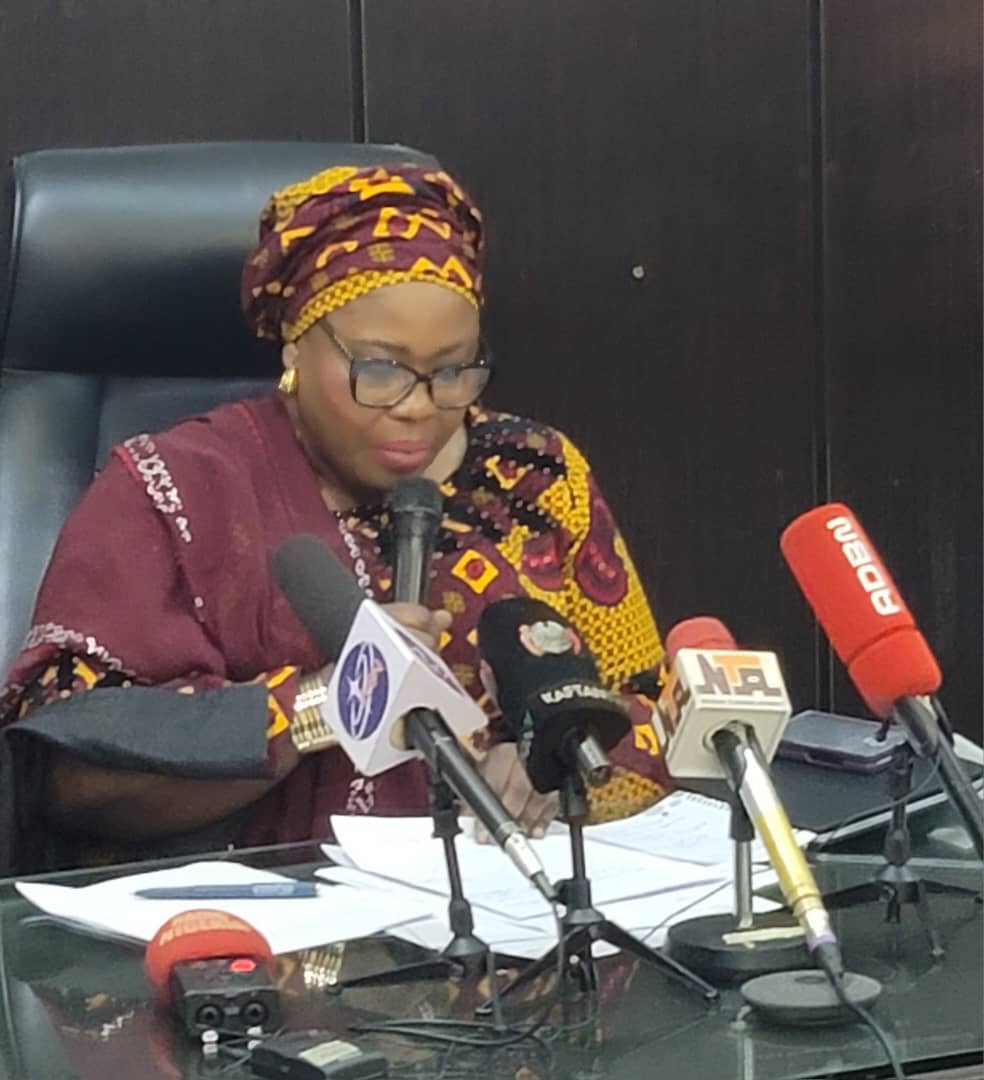
Speaking at a press briefing to mark the 2025 International Adolescent Health Week (IAHW) on Monday, 13 October 2025, Professor Muhammad Ali Pate, Coordinating Minister of Health and Social Welfare, stressed that addressing the health needs of adolescents is vital to ensuring Nigeria’s long-term socio-economic stability.
Represented by Tetshoma Dafeta, Director of Human Resources at the Ministry of Health, Professor Pate underscored that the nation’s youth accounting for 23 percent of the population must be prioritized in national development agendas. “We must commit to closing the gaps in adolescent health if we are to secure and sustain our nation’s future,” Pate remarked, noting that adolescents are a crucial demographic whose development impacts the country’s social and economic progress.
While celebrating achievements such as the establishment of the Adolescent and School Health Branch, and the release of vital policy documents—including the National Adolescent Health Policy and the Clinical Protocol on Adolescent Health and Development the Minister acknowledged that further efforts are required to address the broad spectrum of adolescent health needs, particularly in integrating mental health support into existing frameworks.
.
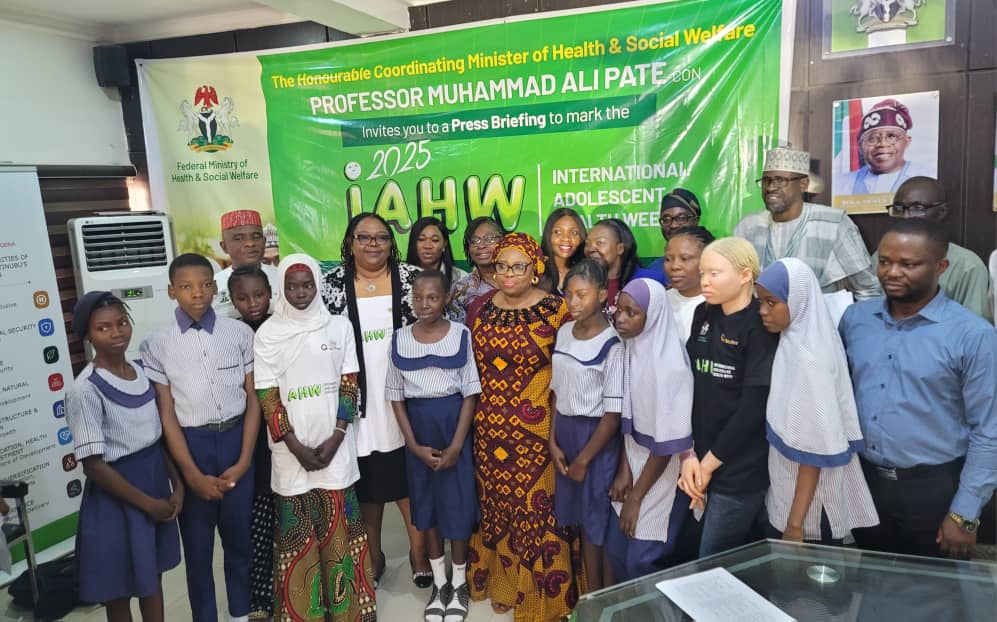
The theme for this year’s IAHW, “Thriving Inside-Out: Strengthening Physical and Mental Health of Adolescents,” emphasized the importance of a holistic approach to adolescent well-being. Professor Pate highlighted that physical and mental health are intrinsically linked, and a comprehensive approach to health must nurture both aspects of young people’s development.
Calling for greater collaboration, the Minister urged schools, families, and healthcare providers to join forces in creating programs that integrate physical health, nutrition, sleep hygiene, and mental health support. He also appealed to communities to establish safe spaces for recreation and peer support networks that can promote positive adolescent development.
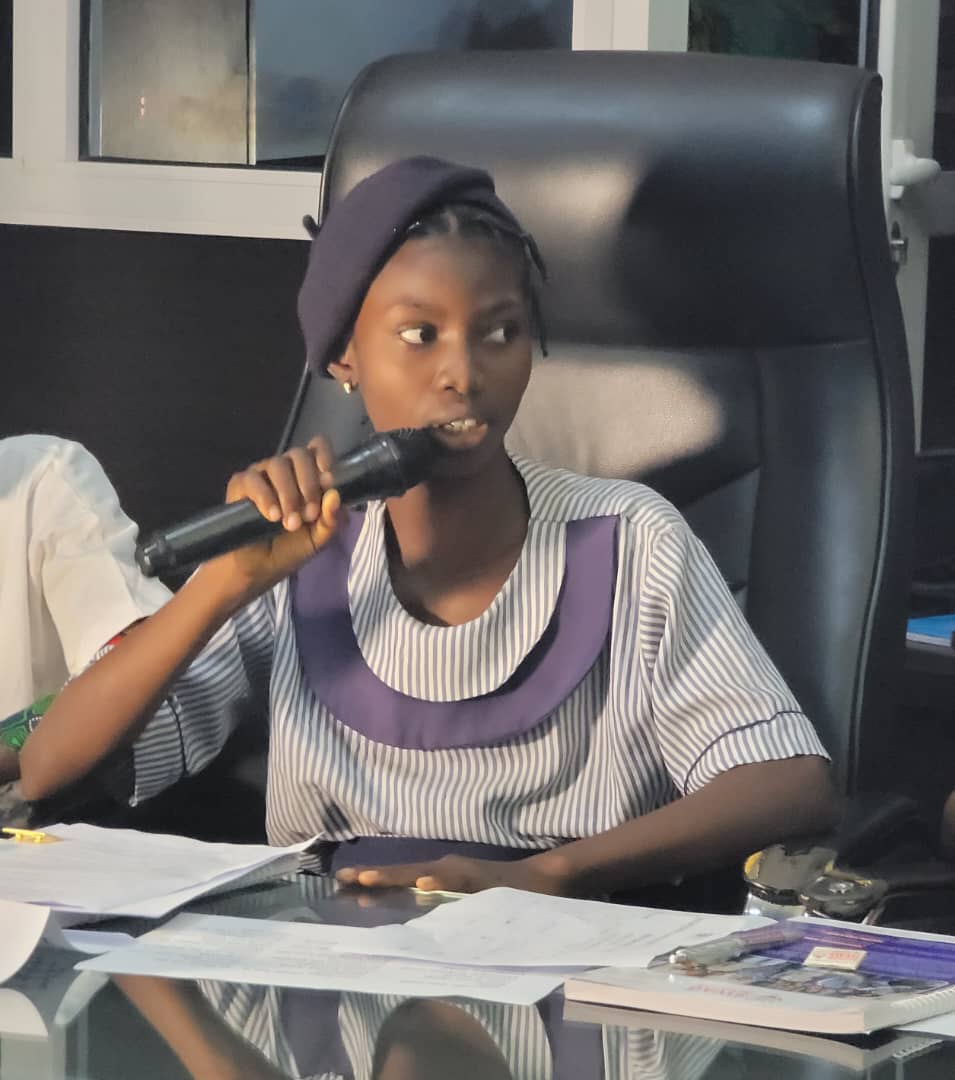
In a heartfelt address, Peculiar Bassey, a student from Karmajiji Junior Secondary School in Abuja, shared her perspective on the challenges facing today’s youth, including stress, low self-esteem, and peer pressure. Her message resonated deeply with attendees, as she called for more accessible, youth-friendly health services and encouraged adults to be more attentive to the emotional struggles young people often face in silence. “Sometimes,” she said, “we just need someone to listen.”
In her remarks, Daju Kachallom, Permanent Secretary of the Ministry, emphasized that adolescence is a critical stage in human development that requires targeted and strategic interventions. She reaffirmed the Ministry’s commitment to supporting initiatives that strengthen both the physical and mental well-being of young people across Nigeria. Her remarks were echoed by the Ministry’s Director of Family Health, Dr. Binyerem Ukaire, who highlighted the Reproductive, Maternal, Newborn, Child, Adolescent, and Elderly Health plus Nutrition (RMNCAEH+N) platform, a government initiative aimed at fostering multi-stakeholder partnerships to improve health outcomes for youth.
International partners, including the World Health Organization (WHO) and the Society for Family Health (SFH), also expressed strong support for Nigeria’s ongoing efforts to enhance adolescent health. Dr. Pavel Ussu, WHO Representative to Nigeria, congratulated the Nigerian government for its leadership in advancing adolescent health and reaffirmed the WHO’s commitment to supporting the country’s health reforms. Similarly, the SFH reiterated its dedication to empowering young Nigerians through health-focused programs.
In closing, Professor Pate’s message was clear: Investing in adolescent health is an investment in the future of Nigeria. He urged all sectors of society to work together to ensure that every young person in Nigeria has the opportunity to thrive, both physically and mentally.
The press briefing, filled with optimism and a shared sense of responsibility, marked a significant moment in Nigeria’s ongoing efforts to prioritize the health and development of its young people.