

The Federal Government of Nigeria has announced plans to deepen health sector collaboration with Brazil, as part of its broader agenda to achieve Universal Health Coverage (UHC) and unlock the country’s healthcare value chain.
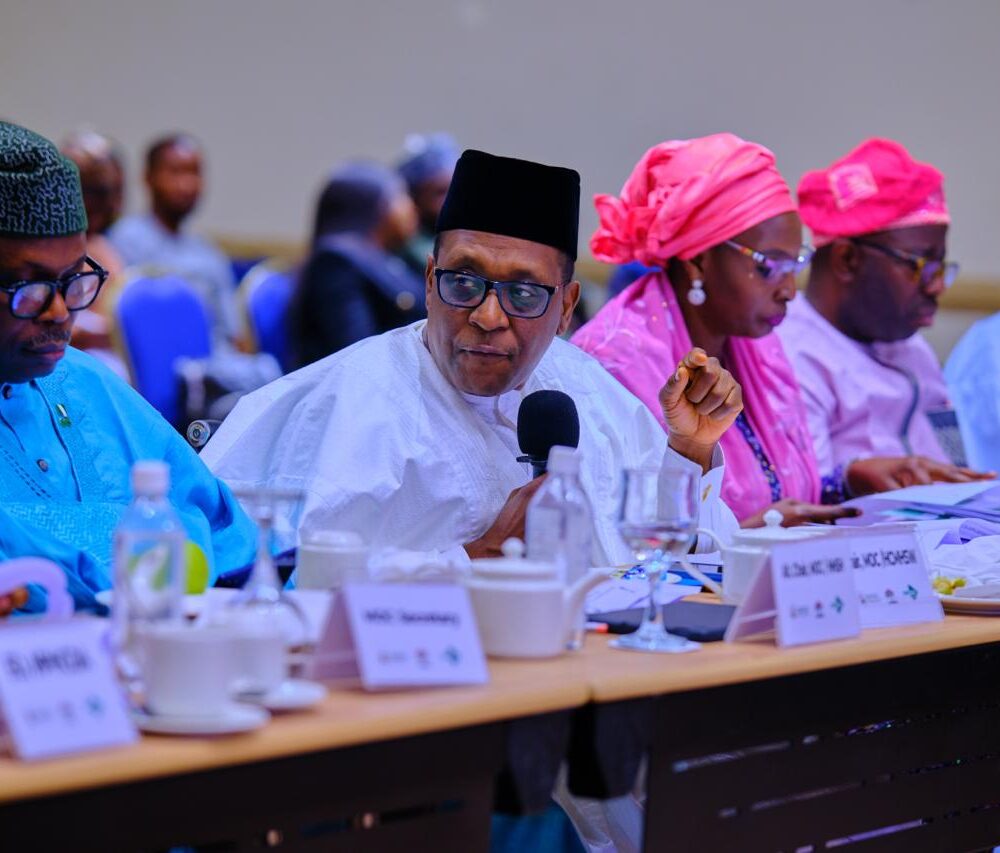
Speaking at the 2nd Session of the Nigeria–Brazil Strategic Dialogue Mechanism held Tuesday in Abuja, the Minister of State for Health and Social Welfare, Dr. Iziaq Adekunle Salako, outlined President Bola Ahmed Tinubu’s health reform roadmap. He noted that the administration’s approach is built around improved governance, equitable and quality health systems, unlocking the healthcare value chain, and strengthening health security, with digitalisation, strategic financing, and workforce transformation as cross-cutting drivers.
Dr. Salako highlighted the Tinubu administration’s significant strides in revitalising primary healthcare, expanding health insurance coverage, reforming the Basic Health Care Provision Fund (BHCPF), and supporting local pharmaceutical manufacturers through targeted incentives. He said more than 37 million Nigerians had benefited from revitalised primary healthcare facilities, while insurance coverage had increased by over 15 percent within one year. Additionally, workforce reforms have reduced recruitment bureaucracy and enhanced professional training.
He noted that government support to the healthcare value chain has led to 87 local manufacturers benefiting from incentives under the Presidential Initiative to Unlock the Health Value Chain (PVAC). He also announced that two Nigerian-made medicines recently received World Health Organization (WHO) prequalification, a first in West and Central Africa. On tertiary healthcare, the minister said the government has delivered 12 new hospitals and over 500 projects across 61 institutions, including the establishment of six cancer centres.
Dr. Salako described the launch of the Nigerian Digital in Health Initiative and the introduction of HPV and malaria vaccines as further proof of the government’s commitment to preventive care and digital health transformation. He expressed admiration for Brazil’s Sistema Único de Saúde (SUS), which provides free healthcare to about 70 percent of Brazilians and has significantly reduced infant mortality since 1990.
According to him, Brazil’s experience with family health and oral health teams, its success with generic drug legislation, and globally acclaimed pharmaceutical capacity offer models Nigeria is eager to emulate.
The minister proposed several areas for enhanced cooperation between both countries, including local pharmaceutical and vaccine production, joint research on diseases, workforce development, and disease control. He also suggested establishing a Nigeria–Brazil Health Cooperation Framework, backed by a Five-Year Joint Action Plan and a dedicated working group.
Citing the NASENI-Troment Biotechnology Factory as a successful example of Nigeria’s industrial health policy in action, Dr. Salako reaffirmed the government’s commitment to long-term reform and innovation in the sector.
He concluded by expressing optimism that the ongoing dialogue and the visit of Brazil’s Vice President would catalyze formal health partnerships that would benefit both nations and the global health community.
“We are confident that with strong political will and a shared vision, the Nigeria–Brazil health partnership will significantly enhance the health and prosperity of both nations,” Dr. Salako stated.