
The Federal Government has reaffirmed its commitment to building a nationally led, sustainably financed humanitarian response system, declaring that Nigeria is transitioning from heavy reliance on international humanitarian assistance to a model driven by domestic institutions, resources and leadership.
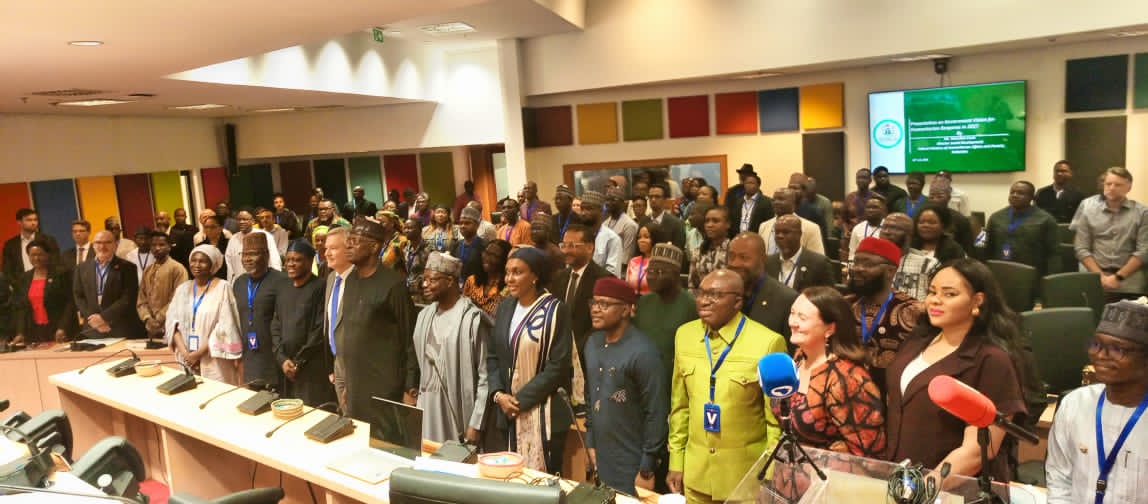
The commitment was made on Tuesday at the opening of the two-day Humanitarian Transition Workshop held at the United Nations House in Abuja, where government officials, the United Nations, development partners, civil society organisations and humanitarian stakeholders gathered to develop a roadmap for the country’s humanitarian transition.
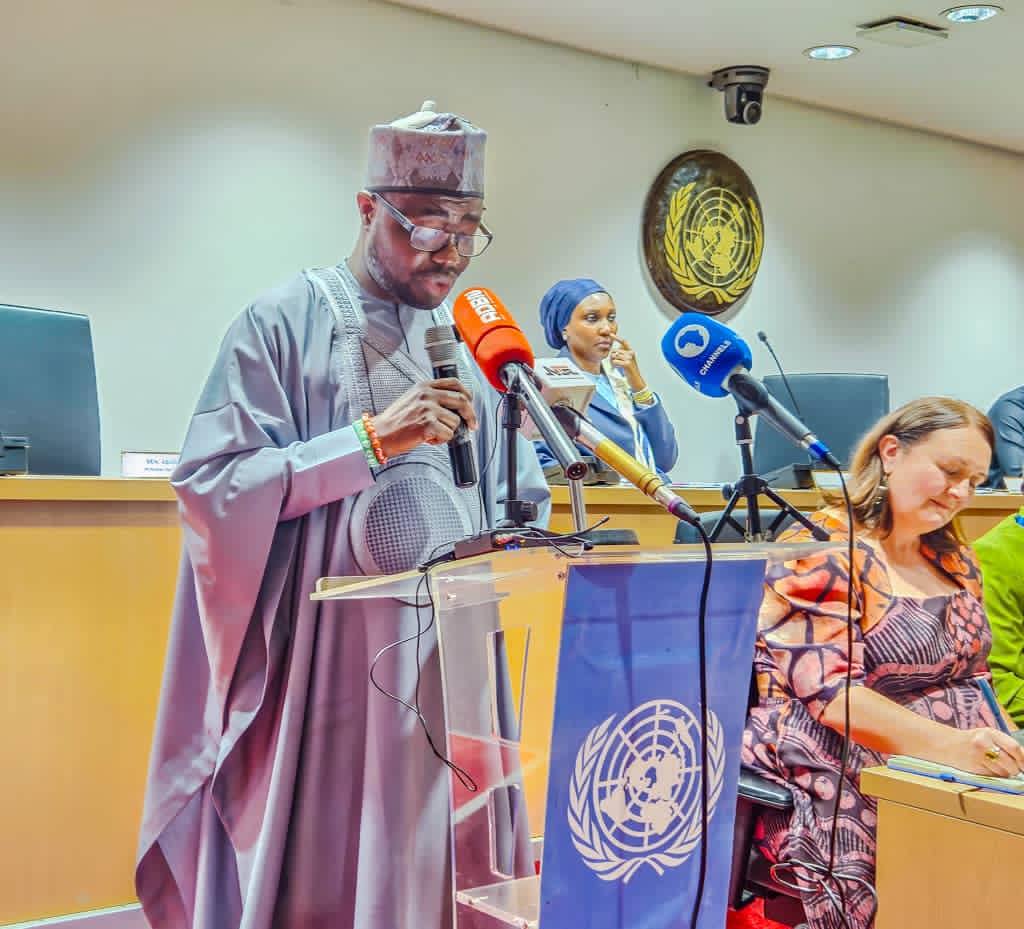
Delivering the keynote address, the Minister of Humanitarian Affairs and Poverty Reduction, Dr. Bernard M. Doro, said the transition was a strategic response to declining global humanitarian financing and a deliberate effort to strengthen Nigeria’s capacity to coordinate humanitarian interventions through the One Humanitarian, One Poverty Response System (OHOPRS).
He stressed that the transition was not merely an administrative transfer of coordination responsibilities from the United Nations to the Federal Government, but the operationalisation of a Nigerian-owned humanitarian architecture designed to outlast fluctuations in donor funding.
According to the minister, OHOPRS will eliminate duplication, improve accountability and integrate humanitarian action with social protection, poverty reduction and development efforts.
Doro noted that while humanitarian challenges such as conflict-induced displacement, food insecurity, flooding, climate-related disasters and public health emergencies remain significant, Nigeria must increasingly rely on domestic financing to sustain humanitarian operations.
He called on federal and state governments to increase budgetary allocations for humanitarian response, while urging the private sector, the Nigerian diaspora and philanthropic organisations to support domestic resource mobilisation.
The minister also appealed to development partners to complement financial assistance with technical expertise that would strengthen national institutions and financing mechanisms.
He disclosed that the Federal Ministry of Humanitarian Affairs and Poverty Reduction would lead the preparation of Nigeria’s 2027 Humanitarian Needs and Response Plan within the OHOPRS framework, with continued technical support from the United Nations.
Doro said the transition would reinforce the Humanitarian-Development-Peace Nexus by ensuring emergency interventions gradually evolve into recovery, resilience-building, livelihood support and durable solutions.
Earlier, the United Nations Resident and Humanitarian Coordinator for Nigeria described the workshop as a major milestone in Nigeria’s humanitarian journey, following the country’s recognition by the Inter-Agency Standing Committee as a humanitarian transition context.
He explained that the transition was aimed at transforming the delivery of humanitarian assistance by placing Nigerian institutions, civil society organisations and local communities at the forefront of humanitarian coordination and implementation.
According to him, the objective is not to reduce international support but to reshape it in a way that promotes national ownership while ensuring that humanitarian needs continue to be met.
He acknowledged that millions of Nigerians remain affected by conflict, displacement, climate shocks, food insecurity and protection challenges, warning that the transition must be carefully managed to prevent gaps in humanitarian assistance.
The UN official emphasised that no vulnerable person should be left behind during the transition and stressed that the process must be jointly owned by the Federal and State Governments, humanitarian organisations, donors, development partners and affected communities.
He noted that the workshop builds on resolutions reached during the National Council on Humanitarian Affairs and Poverty Reduction held earlier in the year, where stakeholders endorsed joint planning as the foundation for humanitarian transition.
He further expressed support for the Federal Government’s vision of strengthening existing national systems rather than replicating current humanitarian coordination structures, adding that future arrangements should align with Nigeria’s National Development Plan, state development priorities, social protection initiatives and resilience programmes.
Participants at the workshop are expected to develop a Joint Transition Action Plan outlining strategic priorities, institutional responsibilities, capacity-building needs and implementation timelines to guide Nigeria’s humanitarian transition over the next six months and beyond.
The workshop, which run from July 14 to 15, is expected to produce a shared roadmap for strengthening national leadership, promoting localisation and ensuring a more resilient, inclusive and sustainable humanitarian coordination system in Nigeria.