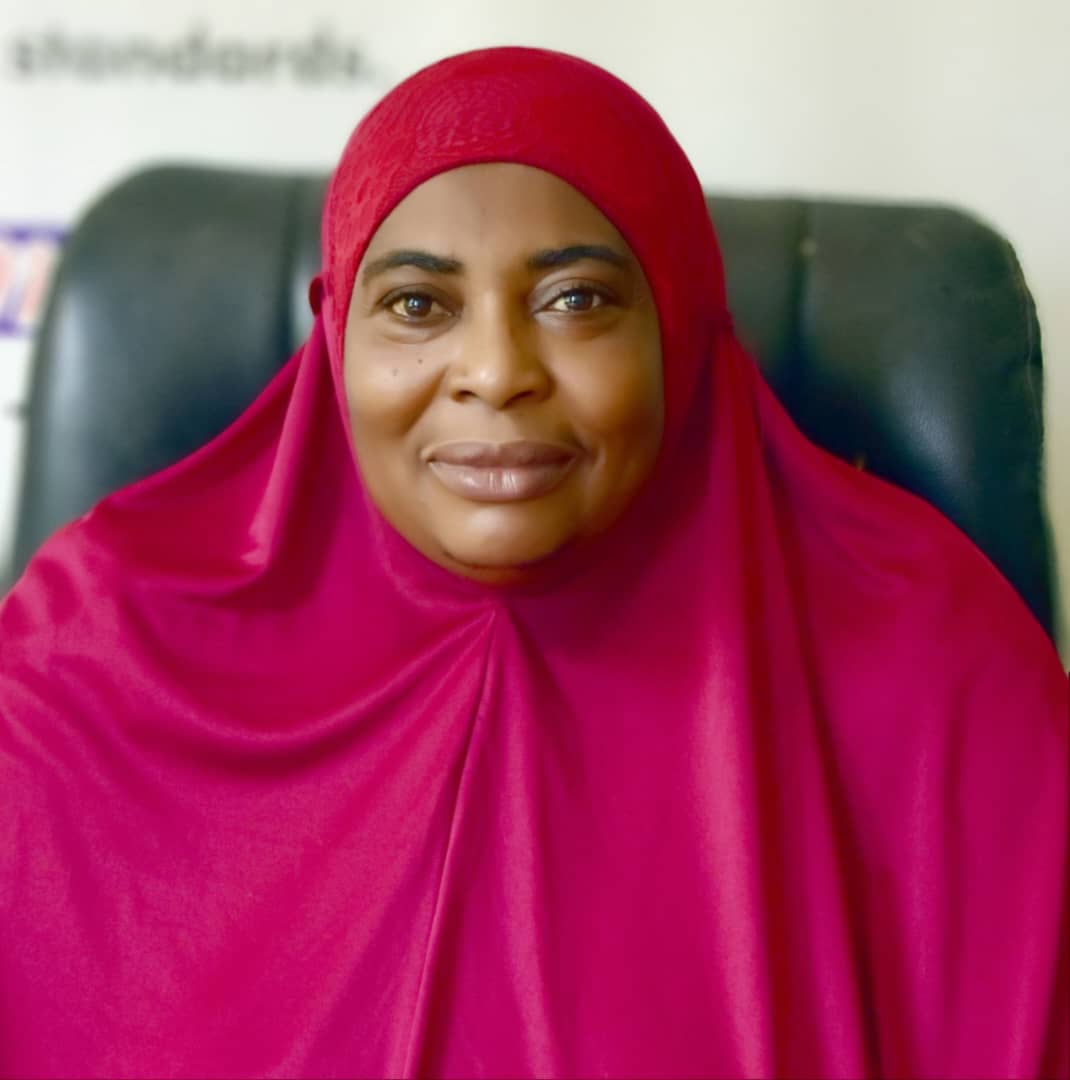
Professor Juwairiya Badamasuiy has described waqf (Islamic endowment) as one of Islam’s most effective institutions for promoting socio-economic development, poverty alleviation and sustainable community empowerment, urged Muslims, governments and development practitioners to revive and strengthen the institution to address contemporary developmental challenges.
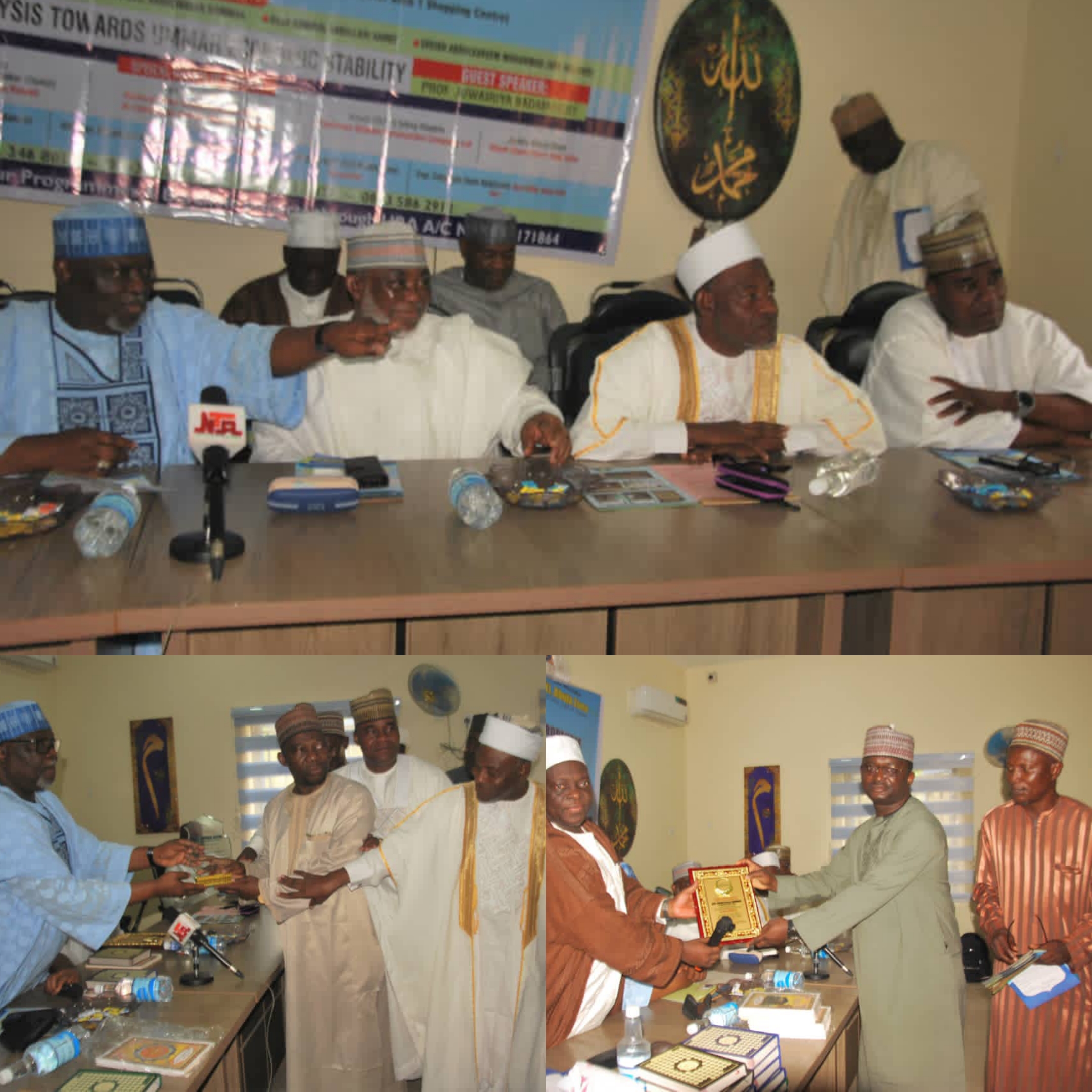
The Islamic scholar made the call while delivering the 1448AH Hijrah Lecture organised by the El-Birru Muslim Association of Nigeria (EMAN), Abuja Zone, on Saturday at the Conference Hall of the Anwar-ul-Huda League of Nigeria Mosque, Area 1, Garki, Abuja.
The event, themed “Waqf Analysis Towards Ummah Economic Stability,” also featured the conferment of honorary awards, fundraising for the drilling of boreholes and the launch of EMAN’s 1448AH calendar.
Founded in 1994, EMAN is an Islamic organisation dedicated to promoting Islam through coordinated enlightenment programmes, research, publications and community development initiatives. The association also promotes unity, peace, brotherhood and humanitarian services among Muslims while implementing projects aimed at improving the welfare of communities across Nigeria.
The programme commenced with the recitation of verses from the Holy Qur’an, followed by opening prayers led by Imam Dahiru Yaqub. Participants were formally welcomed by the Ameer of EMAN Abuja Zone, Engr. Zuqarnain Imam Abdulrahim, before the keynote lecture.
In her lecture titled “Waqf (Endowment): An Islamic Institution for Socio-Economic Development and Sustainable Community Empowerment,” Prof. Badamasuiy explained that Islam regards wealth as a trust (amanah) from Allah to be acquired lawfully, managed responsibly and distributed equitably.
Quoting Qur’an 59:7, she noted that the Islamic economic system seeks to ensure that wealth “may not merely circulate among the rich,” stressing that waqf complements other Islamic economic instruments such as zakat, sadaqah, inheritance, benevolent loans and the prohibition of usury.
According to her, waqf differs from ordinary charity because it preserves the original asset while dedicating its proceeds to religious, educational, healthcare, humanitarian and other public welfare purposes in perpetuity.
She described waqf as one of the most enduring institutions in Islamic civilisation, noting that throughout history it financed mosques, schools, universities, hospitals, libraries, roads, bridges, water systems, orphanages and shelters for travellers without relying on government funding.
The professor said waqf serves not only as an act of worship but also as a sustainable economic instrument that generates employment, promotes education and healthcare, strengthens social solidarity, reduces poverty and supports inclusive development.
She explained that the institution is particularly relevant today as many Muslim societies, including Nigeria, continue to grapple with poverty, unemployment, inadequate educational facilities and weak social welfare systems.
Prof. Badamasuiy traced the legal basis of waqf to both the Qur’an and the Sunnah, citing verses encouraging charitable spending and the famous hadith in which the Prophet Muhammad (SAW) advised Umar ibn al-Khattab (RA) to retain ownership of his land in Khaybar while dedicating its produce to charity.
She also referred to the hadith on Sadaqah Jariyah (continuous charity), describing waqf as one of its finest practical expressions because its rewards continue long after the donor’s death.
The scholar identified the objectives of waqf as seeking the pleasure of Allah, supporting religious institutions, promoting social justice, reducing poverty and inequality, generating sustainable income, supporting education and research, improving healthcare services and assisting widows, orphans, travellers and persons living with disabilities.
She explained that Islamic law recognises different forms of waqf, including religious waqf, charitable waqf, family waqf and cash waqf, all of which are designed to preserve endowed assets while ensuring their benefits continue for future generations.
Prof. Badamasuiy highlighted remarkable historical examples of waqf, including Umar ibn al-Khattab’s Khaybar land endowment, Uthman ibn Affan’s purchase and donation of the famous Well of Rumah for public use, Ali ibn Abi Talib’s agricultural endowments and similar charitable foundations established by several companions of the Prophet.
She noted that renowned institutions such as Al-Azhar University in Egypt and Al-Qarawiyyin University in Morocco flourished for centuries through waqf endowments, while the Süleymaniye Mosque complex and Haseki Sultan Waqf in Türkiye remain enduring examples of the institution’s impact.
The professor also cited contemporary success stories, including Malaysia’s Johor Corporation Corporate Waqf, Türkiye’s cash waqf system and the continued management of historic waqf assets in Saudi Arabia.
Drawing attention to Nigeria, she observed that the country possesses enormous potential for waqf development in education, healthcare, agriculture, water supply, women’s empowerment, orphan support and research, noting that EMAN’s borehole projects already demonstrate how waqf can improve lives through sustainable access to clean water.
She further explained that waqf aligns with several United Nations Sustainable Development Goals by contributing to poverty reduction, food security, quality education, improved healthcare, decent work, economic growth and reduced inequalities.
Despite its enormous potential, Prof. Badamasuiy lamented that many waqf institutions are hindered by poor management, weak legal frameworks, corruption, inadequate public awareness and underutilisation of endowed assets.
She therefore advocated stronger legal protections, professional management, digitalisation of waqf administration, public enlightenment, productive halal investments and greater collaboration among governments, private organisations and civil society to maximise the institution’s impact.
She concluded that waqf remains one of Islam’s greatest contributions to human civilisation, combining spirituality, philanthropy, social responsibility and economic development.
According to her, revitalising waqf will provide a sustainable mechanism for addressing poverty, unemployment, educational deficits and other socio-economic challenges while complementing government efforts to build prosperous and resilient communities.
Beyond the lecture, the event witnessed a fundraising campaign to support the drilling of additional boreholes under EMAN’s humanitarian projects, reaffirming the association’s commitment to improving access to potable water in underserved communities.
Another major highlight was the conferment of honorary awards on distinguished personalities for their outstanding contributions to Islam and humanity.
Posthumous honours were bestowed on Late Alhaji Isah O. Ademoh, Late Ustaz Yunus Ogirima Suleiman and Late Arc. Abdulyakeen Mamman, while Rear Admiral Abdullahi Ahmed and Sheikh Abdulkareem Muhammad (Abu-Mujahid) were recognised for their exemplary service and commitment to the development of the Muslim Ummah.
The programme also featured the official launch of EMAN’s 1448AH calendar, presentation of award citations and special prayers for the continued peace, unity and progress of Nigeria and the Muslim community.