A new China-Nigeria partnership aimed at boosting electric vehicle production and advancing clean transportation infrastructure has emerged as Nigeria intensifies efforts to strengthen local manufacturing capacity.
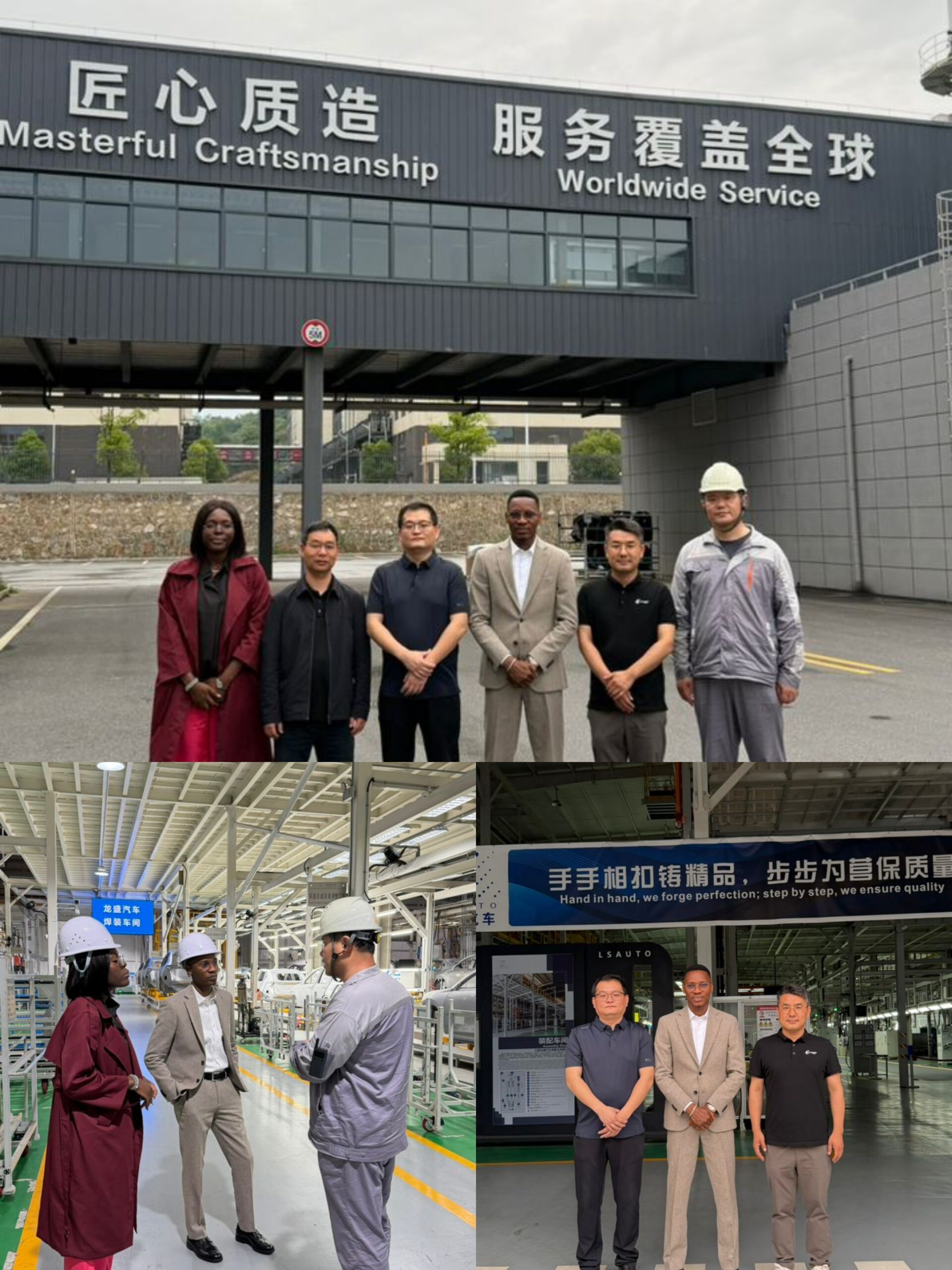
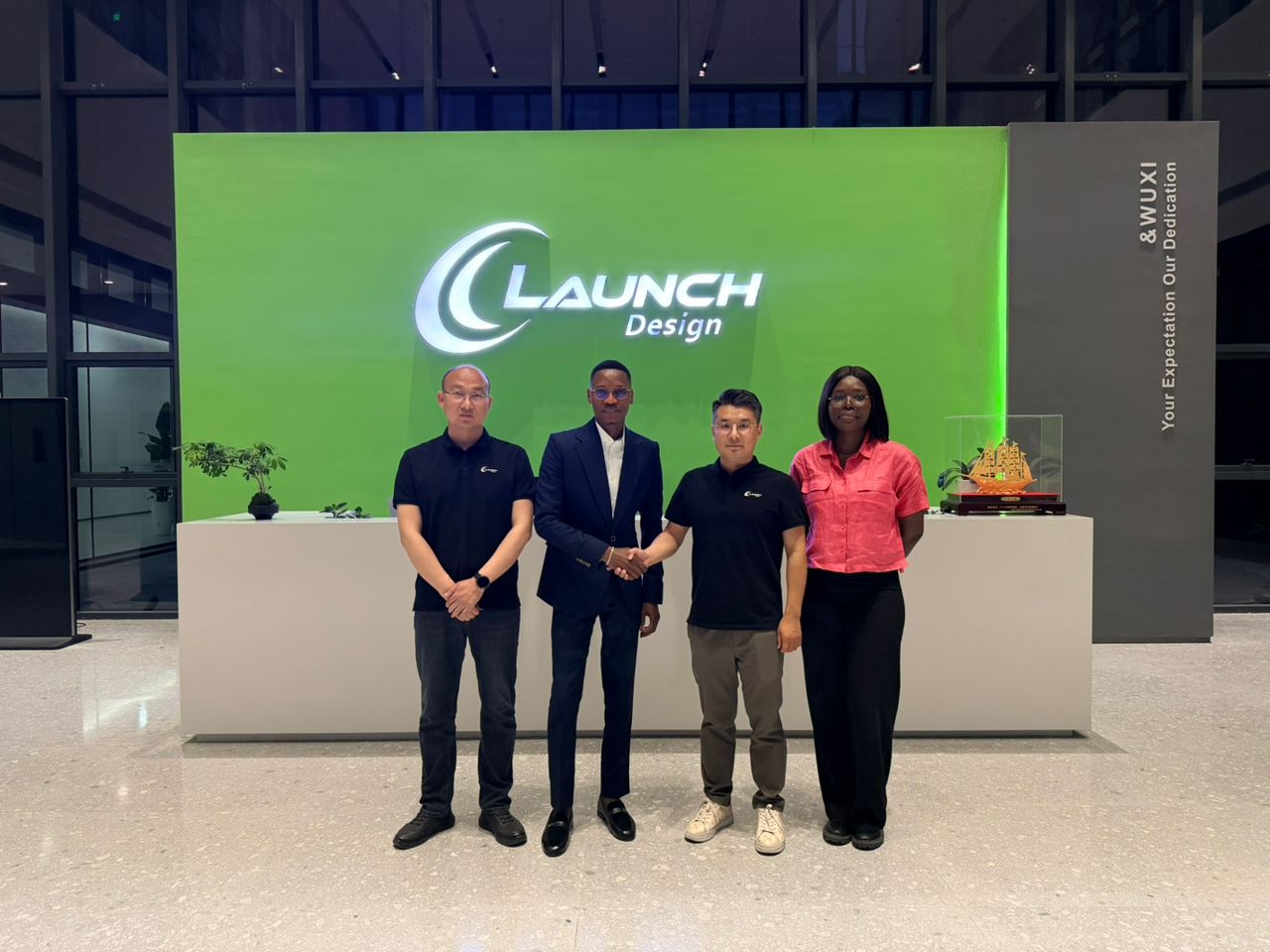
Launch Design Shanghai and Hybrid Motors Nigeria have signed a strategic cooperation agreement to establish electric vehicle manufacturing and assembly operations in Lagos and Abuja.
The partnership is expected to drive technology transfer, workforce development, and the gradual expansion of Nigeria’s electric vehicle supply chain, while supporting the country’s transition toward sustainable mobility.
The agreement marks a major milestone for Hybrid Motors Nigeria’s indigenous electric vehicle brand, Acely, which the companies say is designed specifically for Nigerian roads and consumers.
Under the deal, the firms will establish manufacturing facilities in Lagos and Abuja to accelerate the production and assembly of Acely vehicles, combining local expertise with advanced automotive engineering capabilities from China.
The agreement was signed during a ceremony held in Shanghai on May 8, 2026, with executives from both firms describing the collaboration as a transformative step for Nigeria’s automotive sector.
Speaking at the event, Chief Executive Officer of Launch Design, Wang Xun, said the company was proud to support the development of Nigeria’s automotive industry.
“Our turnkey engineering capabilities, combined with Mr. Arogundade’s leadership and Hybrid Motors’ deep understanding of the Nigerian market, create a powerful formula for success. Together, we are not just building vehicles, we are building an industry,” he said.
Chief Executive Officer of Hybrid Motors Nigeria, Jubril Arogundade, described the partnership as a commitment to Nigeria’s industrial future.
“This partnership is more than a business agreement; it is a commitment to building Nigeria’s automotive future,” Arogundade said.
“With Acely, we are proving that world-class vehicles can be conceived, designed, and assembled right here in Nigeria, by Nigerians, for Nigerians.”
According to the companies, Launch Design Shanghai will provide engineering support covering vehicle architecture, manufacturing process engineering, design optimization, and quality assurance systems.
The partnership will establish two manufacturing hubs with a projected combined annual production capacity of 70,000 units when fully operational.
The Lagos facility, located along the Lekki-Epe corridor, will serve as the primary production and assembly hub with an annual capacity of 50,000 units. Its proximity to the Lekki Deep Sea Port is expected to support exports across Southern Nigeria and West African markets including Ghana, Benin, Togo and Côte d’Ivoire.
The Abuja facility, to be located within the Free Zone Business Area of Centenary Economic City, will function as a secondary manufacturing and technology centre with a projected annual capacity of 20,000 units, serving Northern Nigeria and parts of the Sahel region.
The companies said the dual-facility strategy would reduce logistics costs, improve operational efficiency and create jobs across multiple regions of the country.
They added that Acely vehicles would focus on local assembly, market-tailored designs suited to Nigerian road and climate conditions, as well as advanced powertrain technologies with increasing emphasis on electric and hybrid propulsion systems.
The firms also projected significant economic benefits from the initiative, including technology transfer, local supply chain development, reduced dependence on vehicle imports, industrial diversification and the strengthening of Nigeria’s role within Africa’s automotive value chain.
The partnership aligns with Nigeria’s National Automotive Industry Development Plan and broader efforts to promote cleaner and more sustainable transportation systems.
Describing the agreement as a defining moment for Nigeria’s automotive industry, Arogundade said the Lagos and Abuja plants would lay the foundation for “a new era of mobility — one that is locally rooted, globally competitive, and sustainably driven.”