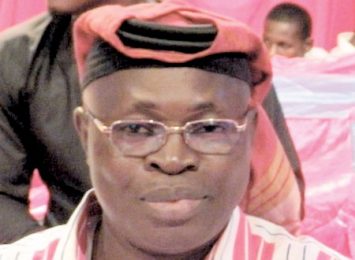
The Muslim Rights Concern (MURIC) has condemned the life sentence handed to two convicted terrorists, describing the punishment as too lenient and calling for the death penalty for anyone found guilty of terrorism.
In a statement issued on Wednesday by its Founder and Executive Director, Professor Ishaq Akintola, the group argued that terrorists should receive capital punishment to serve as a deterrent and prevent them from continuing to pose security threats from prison.
MURIC was reacting to the conviction and life sentence imposed by Justice Emeka Nwite on Abubakar Abba, popularly known as Abu Baraa, and Mahmud Usman, also known as Mahmuda, for terrorism-related offences.
According to the group, keeping convicted terrorists in prison is dangerous because of their alleged ability to coordinate attacks and jailbreaks through existing criminal networks.
MURIC also cited the recent abduction of schoolchildren and teachers in Oriire, Oyo State, noting that the kidnappers had reportedly demanded the release of the two convicted terrorists as a condition for freeing their victims.
The organisation argued that such incidents underscore the risks of allowing convicted terrorists to remain alive in custody and urged the Federal Government to adopt stricter measures against terrorism.
It called for capital punishment for all persons convicted of active participation in terrorist attacks and further urged that those sentenced to death for terrorism-related offences should be executed within seven days after judgment, subject to the completion of all legal processes and due process requirements.
MURIC also appealed to the Federal Government to put in place the necessary legal framework to ensure that due process is observed in the prosecution and execution of terrorism-related cases.
The statement reflected the group’s position on strengthening Nigeria’s response to terrorism, though current sentencing and implementation of capital punishment remain matters governed by the country’s existing laws and judicial processes.