
The National Human Rights Commission (NHRC) has expressed deep condolences to the Nigerian military and governments of several states affected by the recent surge in terrorist attacks, while calling for an urgent, comprehensive national policy to protect civilians anchored on human rights principles.
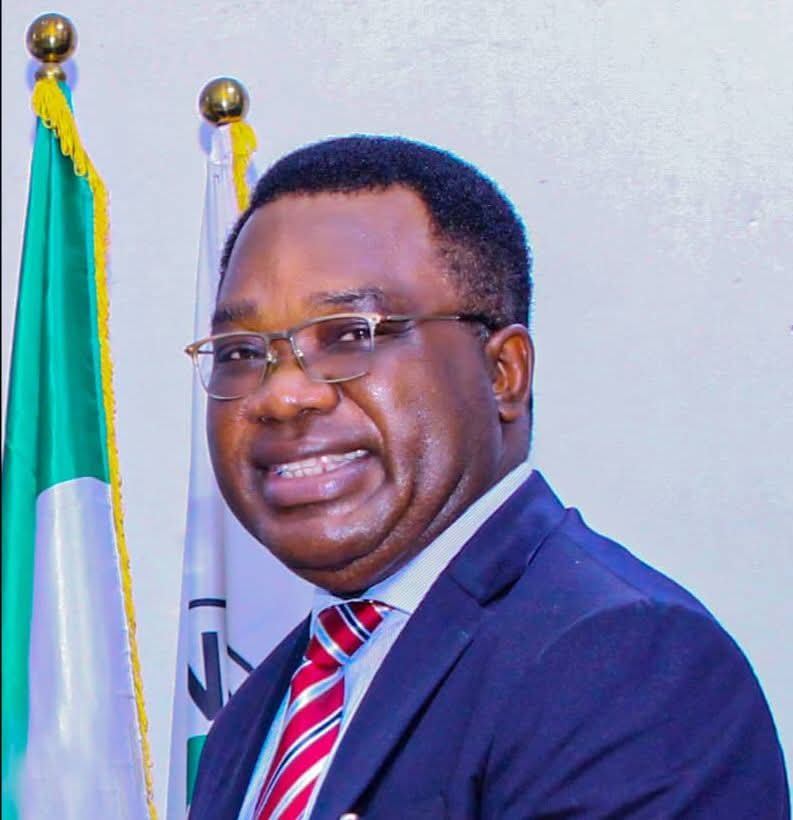
In a statement issued by the Commission’s Executive Secretary, Tony Ojukwu, and signed by the Director of Corporate Affairs and External Linkages, Fatimah Agwai Mohammed, the NHRC lamented the increasing frequency, scale, and geographic spread of attacks targeting both military formations and civilian populations across the country.
The Commission extended sympathies to the governments and people of Borno State, Niger State, Benue State, Kaduna State, Kwara State, Sokoto State, and Plateau State, among others, which have suffered devastating impacts from the wave of violence.
Ojukwu described the situation as deeply troubling, noting that recent attacks have struck military bases, markets, places of worship, hospitals, and rural communities resulting in significant loss of life, widespread injuries, destruction of property, and mass displacement.
He highlighted coordinated assaults on military formations in the North-East, particularly in Borno, as well as suicide bombings in civilian areas such as markets and hospitals in Maiduguri. He also pointed to deadly attacks on rural communities in Niger, Benue, and Kwara states, targeted killings of worshippers in Kaduna, and recurring violence in Sokoto and Plateau states.
“We mourn with the families of the brave officers and soldiers who paid the ultimate price in defence of the nation, and with the countless civilians whose lives have been cut short,” Ojukwu said.
The NHRC boss warned that the pattern of violence characterised by coordinated military assaults, suicide bombings, and cross-regional expansion represented a grave violation of fundamental human rights, including the right to life, dignity, and security, as enshrined in Nigeria’s Constitution and international legal frameworks.
While acknowledging the sacrifices of the Armed Forces, he stressed that civilian protection must become the central objective of all security operations rather than a secondary consideration.
The Commission therefore called for the immediate development and implementation of a National Policy on the Protection of Civilians, which it said must prioritise human rights in all security responses, ensure accountability for violations, provide support and rehabilitation for victims, and strengthen early warning and community-based protection mechanisms.
Ojukwu further emphasised that an integrated human rights approach to security is essential for sustainable peace, noting that global evidence shows that lasting stability can only be achieved when governments consistently uphold the rights of citizens.
He reaffirmed the NHRC’s commitment to working with federal and state governments, security agencies, and civil society to ensure that Nigeria’s counter-terrorism efforts reinforce, rather than undermine, democratic and human rights principles.