
By Uthman Baba-Naseer, Minna
The Niger State Child Rights Protection Agency has recorded at least 192 cases of child abuse and rights violations between November 2025 and June 2026, including rape, maltreatment, child trafficking, forced marriage, abandonment and denial of child maintenance.
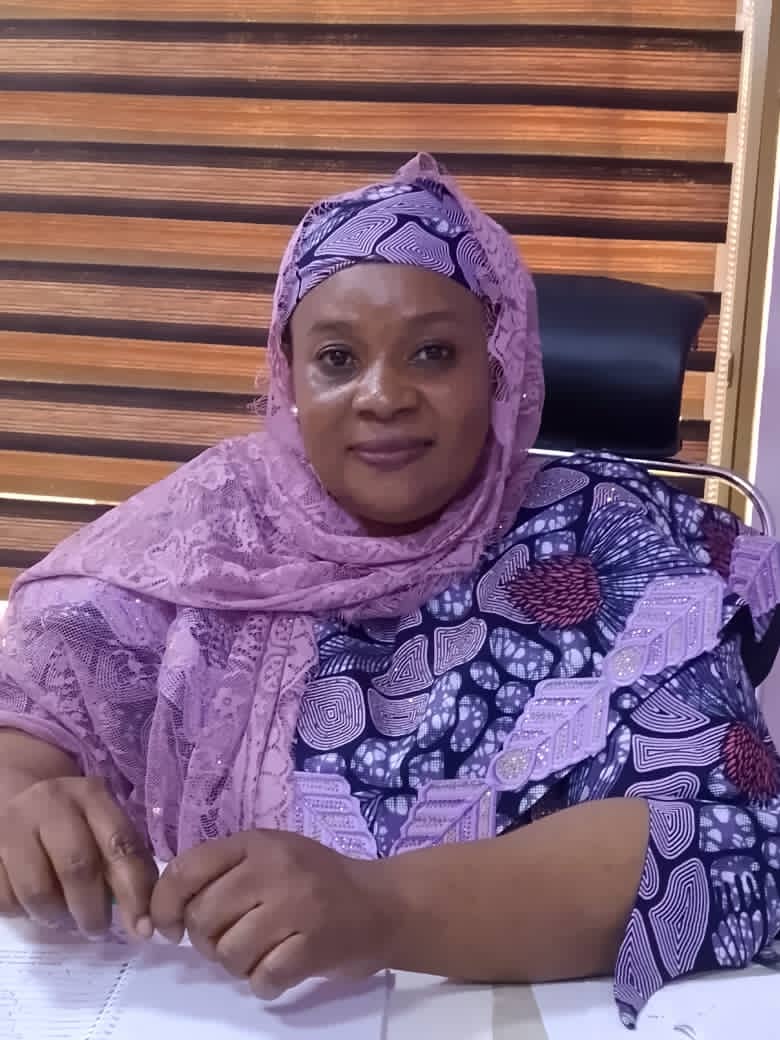
The Director-General of the agency, Hajiya Ummul Mohammed, disclosed this in an interview with journalists in Minna, saying the cases reflected the growing challenges confronting children across the state’s 25 Local Government Areas.
According to her, the agency recorded 30 cases in November 2025, 31 in February, 30 in March, 40 in April, 27 in May and 30 in June.
She explained that the cases included child maintenance disputes, maltreatment, missing children, forced marriage, rape, abandonment, denial of pregnancy and paternity, child trafficking, domestic servitude and street hawking.
She also disclosed that some children were taken away under the guise of sending them for Islamic education but ended up in exploitative or unsuitable environments.
Mohammed cited the case of a child identified as Umaru, who was taken from Agai to Minna for Islamic education but was found in an inadequate learning environment.
She said the agency intervened in the matter, leading to the prosecution of the child’s father and another person connected to the case.
The Director-General further disclosed that the agency recently facilitated the return of a missing child to her parents in another state, while another young girl who had been brought from Jos to Niger State to work as a domestic servant was rescued and reunited with her family.
She said similar interventions had been carried out in Wushishi, Kontagora and other parts of the state.
Mohammed said the agency had intensified public sensitisation, particularly in rural communities where many parents and children were still unaware of children’s rights and the consequences of violating them.
She said sensitisation visits had been conducted in schools, including schools in Dutsen-Kura and Maitumbi, with teachers and school authorities urged to report suspected cases of physical, psychological or sexual abuse.
The response from schools, she said, had been encouraging, citing an instance where a school reported a father who allegedly assaulted his daughter.
The Director-General identified poverty and ignorance as major factors contributing to child abuse and gender-based violence in the state.
She said some parents, unable to cater for their children, send them away to work as domestic servants, thereby exposing them to exploitation and abuse.
Mohammed also disclosed that the agency recently rescued 19 children found at mining sites, with the youngest reportedly about eight years old.
She said the parents of the children were identified and made to enter into bonds of N5 million for each child as a deterrent against sending them back to mining sites.
On medical intervention, she said the agency’s medical unit had referred about 15 children for treatment and medical examinations since May 2026 following suspected cases of rape, physical abuse, injuries and other forms of maltreatment.
According to her, many of the affected children were between nine and 16 years old.
She added that several cases were currently before different courts in the state, including rape and attempted rape cases, while the agency continued to monitor the proceedings to ensure that justice was served.
Mohammed said her previous experience in the judiciary had helped her maintain a cordial working relationship with judicial officers and other stakeholders involved in securing justice for abused children.
She, however, identified inadequate mobility as one of the major challenges confronting the agency, noting that many victims and complainants were vulnerable people who could not afford transportation for follow-up services.
She said she had abolished charges previously imposed for filing complaints, stressing that victims could now approach the agency and lodge complaints free of charge.
The Director-General appealed for additional vehicles and logistical support, saying effective mobility was essential because of the vastness of Niger State.
She disclosed that the agency currently had desk offices in Bida, Suleja and another location, but expressed the desire to establish functional desks in more Local Government Areas to bring its services closer to affected communities.
Mohammed called for greater parental responsibility, warning that parents who neglected or exposed their children to abuse would face legal consequences.
She commended the Niger State Government, particularly Governor Umar Mohammed Bago and the First Lady, Hajiya Fatima Bago, for their support and interest in issues affecting children and gender-based violence.
She also acknowledged the support of the Ministry of Women Affairs and Social Development.
The Director-General called on traditional rulers, Local Government Councils, philanthropists, civil society organisations and other stakeholders to support government efforts to combat child abuse, trafficking and other violations.
She stressed the need for sustained sensitisation campaigns in rural communities, noting that government alone could not address the problem.
“We have to work together. These are our children and they are our responsibility,” she said.
Mohammed assured that the agency would continue to protect the rights and interests of children across Niger State and would not hesitate to take legal action against parents or other individuals found to be violating those rights.