
The National Information Technology Development Agency (NITDA) has said Nigeria’s greatest resource is not oil but its people, stressing that the country’s future prosperity and global competitiveness will depend on how effectively it harnesses artificial intelligence, digital skills and innovation.
The agency made this known at the Port Harcourt Tech Expo 2026 held at the EUI Centre in Port Harcourt, Rivers State, where stakeholders from across the technology ecosystem gathered to explore strategies for advancing innovation-driven economic growth and digital transformation.
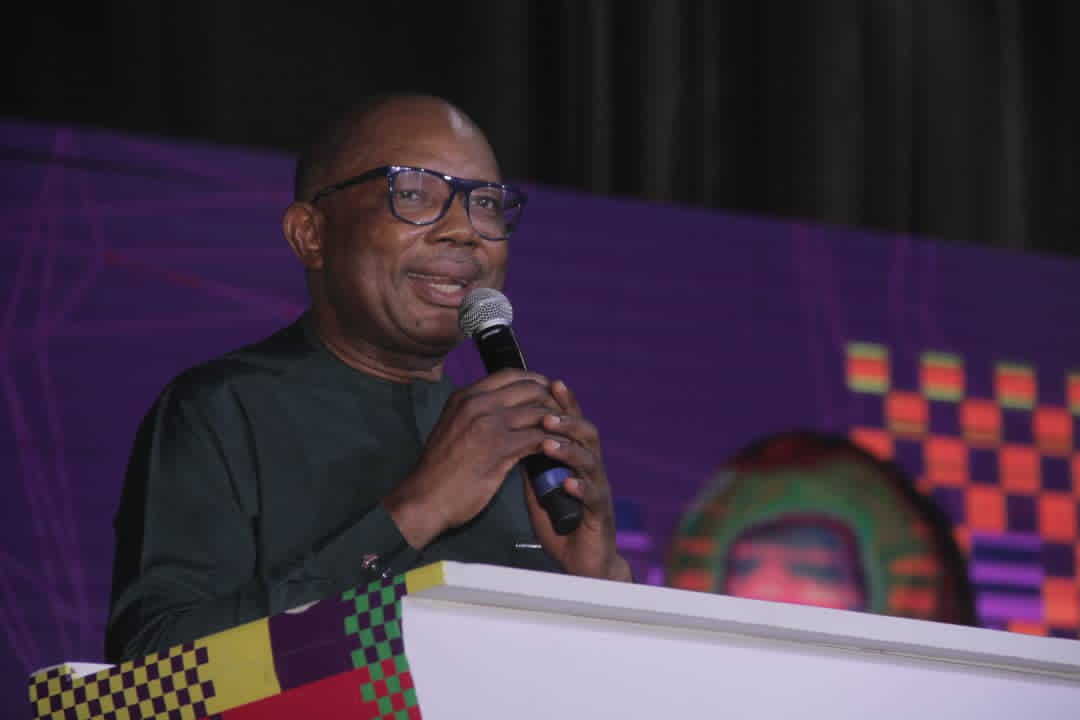
Speaking at the two-day event themed “Syntropy: Collective Futures – Systems, Solutions, Synergy and Societies,” the Director-General and Chief Executive Officer of NITDA, Dr. Kashifu Inuwa Abdullahi, represented by the Director of Stakeholder Management and Partnerships, Dr. Aristotle Onumo, said Nigeria’s prosperity in the digital age would be shaped by its ability to develop digital talent, foster innovation and build enabling ecosystems.
Addressing policymakers, technology leaders, startup founders, investors, academics, development partners and young innovators, Abdullahi noted that the global digital economy presents unprecedented opportunities for Nigeria and Africa to create jobs, attract investments and improve productivity through emerging technologies such as Artificial Intelligence (AI), data analytics, cloud computing, cybersecurity and digital platforms.
“The future is not something we inherit; it is something we build. Nigeria’s greatest resource is not oil but its people. Our ability to develop digital talent, foster innovation and create enabling ecosystems will determine our competitiveness in the digital age,” he said.
He noted that AI and digital technologies are rapidly transforming industries across the world and urged stakeholders to embrace innovation as a catalyst for economic diversification and sustainable development.
The NITDA boss also highlighted the agency’s ongoing implementation of its Strategic Roadmap and Action Plan (SRAP 2.0), which focuses on digital literacy, emerging technologies, innovation, cybersecurity, digital infrastructure and inclusive economic growth.
According to him, unlocking the immense potential of Nigeria’s youthful population would require stronger collaboration among government institutions, industry players, academia, development partners and the startup ecosystem.
The Port Harcourt Tech Expo brought together a broad spectrum of stakeholders to deliberate on issues relating to artificial intelligence, startup development, digital skills, innovation financing, technology adoption, entrepreneurship and ecosystem growth.
Participants explored opportunities for positioning the Niger Delta as a major hub for technology, innovation and digital entrepreneurship, while discussing strategies for addressing challenges related to skills development, startup financing, infrastructure and technology commercialisation.
During the event, NITDA engaged with technology companies, startups, innovation hubs, academic institutions and development partners on potential areas of collaboration aimed at advancing digital inclusion and innovation-led development.
The agency also showcased several flagship initiatives, including the Digital Literacy for All (DL4ALL) programme, the National Centre for Artificial Intelligence and Robotics (NCAIR), and programmes under the Office for Nigerian Digital Innovation (ONDI).
Observers at the event commended NITDA’s leadership in driving Nigeria’s digital transformation agenda and noted the growing impact of its interventions in supporting startups, promoting digital literacy and strengthening the country’s innovation ecosystem.
The expo concluded with a renewed commitment by stakeholders to deepen collaboration, support innovation and create opportunities for young Nigerians to participate actively in the digital economy.
As Nigeria continue its digital transformation journey, NITDA reaffirmed its commitment to fostering partnerships, developing talent, enabling innovation and building a technology-driven economy capable of delivering sustainable prosperity for all citizens.