
The Nigeria Police Force (NPF) has concluded its two-day Executive Leadership Training Programme for Commissioners of Police with the formal induction of participants into the Institute of Conflict Management and Negotiation Analysts (ICMNA) as Certified Conflict Management and Negotiation Professionals (CPs).
The training programme, organised by the Department of Training and Development, was themed: “Enhancing Strategic Communication, Media Relations, Thought Leadership, Emotional Intelligence, Public Relations and Excellence in the Nigeria Police Force.”
The initiative was designed to strengthen the strategic leadership capacity of Commissioners of Police by equipping them with contemporary knowledge and practical skills in strategic communication, media engagement, emotional intelligence, public relations, thought leadership and other competencies essential for effective policing in today’s dynamic security environment.
The induction ceremony marked the climax of the executive programme and underscored the Force’s commitment to continuous professional development, ethical leadership and institutional excellence.
Speaking during the ceremony, the Deputy Inspector-General of Police in charge of the Department of Training and Development, DIG Isyaku Mohammed, PhD, FCNA, who represented the President and Governing Council of the Institute of Conflict Management and Negotiation Analysts, congratulated the Commissioners of Police on the successful completion of the training.
He conveyed the goodwill of the Institute’s President, who was unavoidably absent due to official engagements, and commended the Nigeria Police Force for fostering a strategic partnership aimed at enhancing professionalism and leadership within the Force.
DIG Mohammed described the training as a significant milestone in advancing professional excellence, ethical leadership and strategic conflict management, noting that modern policing demands much more than operational competence.
According to him, today’s law enforcement leaders must possess the ability to communicate effectively, inspire public confidence, manage conflicts professionally, negotiate wisely and build enduring trust with the communities they serve.
He said the competencies acquired during the programme—including strategic communication, media relations, thought leadership, emotional intelligence and public relations—align closely with the Institute’s core values of conflict prevention, mediation, negotiation, leadership and sustainable peacebuilding.
“It is in recognition of your successful participation in this executive programme, your commitment to professional development, and your dedication to ethical leadership that the Institute has found you worthy of admission into its professional body as Certified Conflict Management and Negotiation Professionals,” he said.
DIG Mohammed stressed that the induction was not merely the conferment of a professional title but a call to greater responsibility, urging the newly inducted officers to serve as ambassadors of peace, ethical leadership, constructive dialogue and professional excellence wherever they are deployed.
He charged the Commissioners to uphold the highest standards of integrity, professionalism, accountability, confidentiality and continuous learning while promoting peaceful conflict resolution, effective negotiation and responsible leadership in the discharge of their duties.
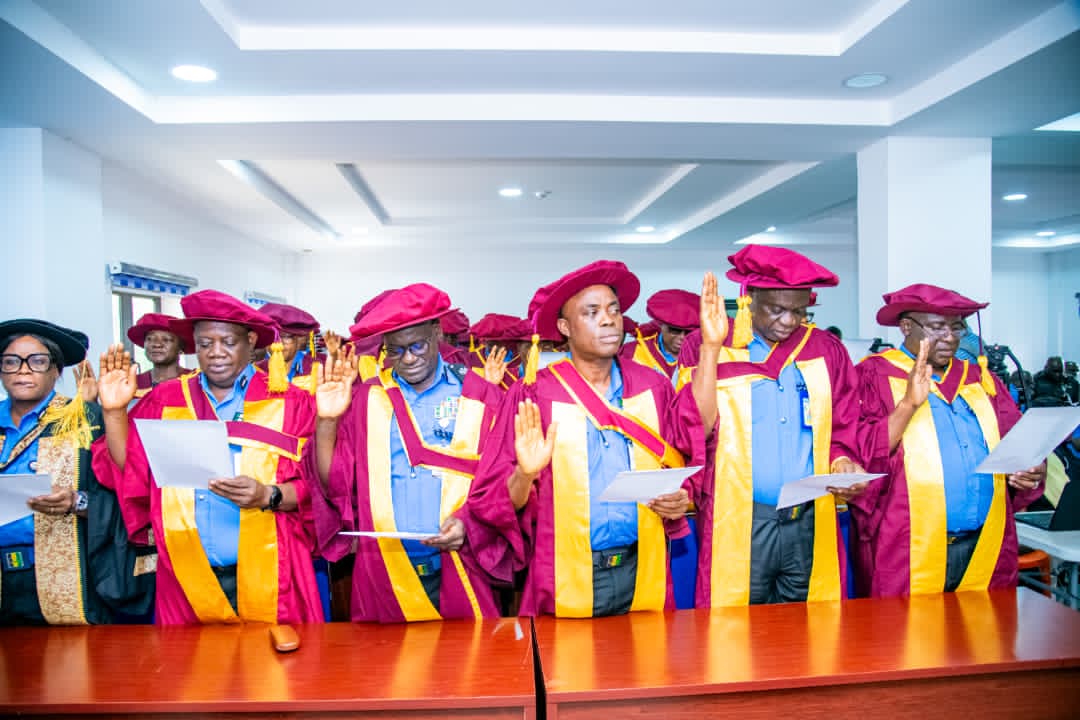
The Commissioners subsequently took the Institute’s Oath of Allegiance before being formally admitted into the Institute as Certified Conflict Management and Negotiation Professionals, with all the rights, privileges and responsibilities attached to the membership.
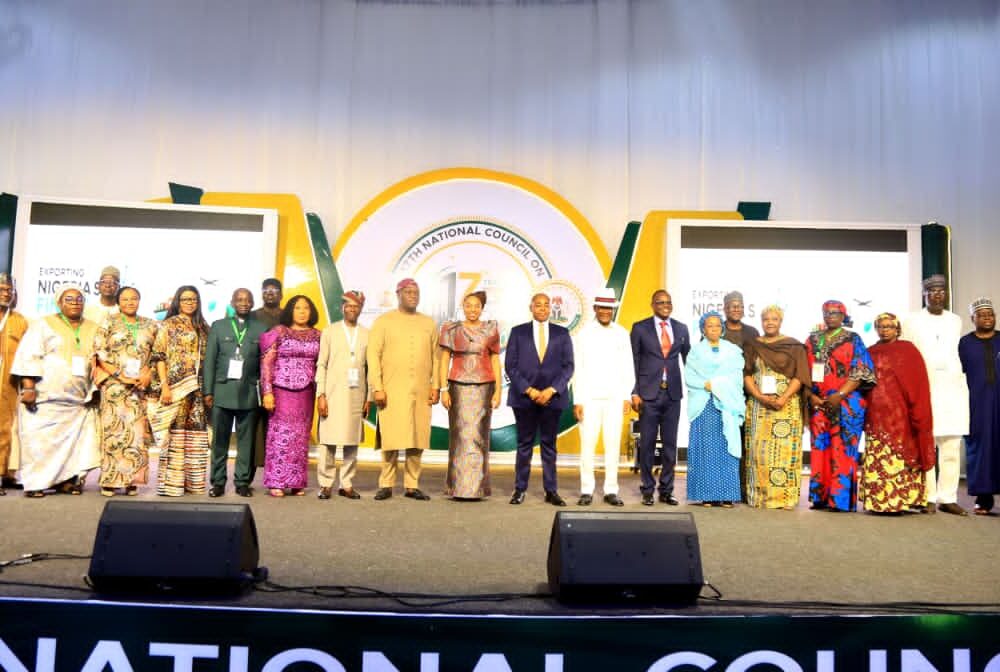
The ceremony attracted senior officers of the Nigeria Police Force, members of the Governing Council of the Institute of Conflict Management and Negotiation Analysts, invited dignitaries and representatives of the media.
The Nigeria Police Force reaffirmed its commitment to developing competent, ethical and visionary leaders capable of strengthening public confidence, improving service delivery and enhancing national security through continuous learning, strategic leadership and capacity development.