
In an age where public service often evokes images of privilege and bureaucracy, Hajia Mariyatu Magaji Muazu stands out as an extraordinary paradox — a civil servant whose greatest investment is not in property, cars, or status, but in humanity. Soft-spoken yet remarkably determined, Hajia Mariyatu has become a quiet force of compassion, channeling her modest salary and her influence into saving lives that the system has forgotten.
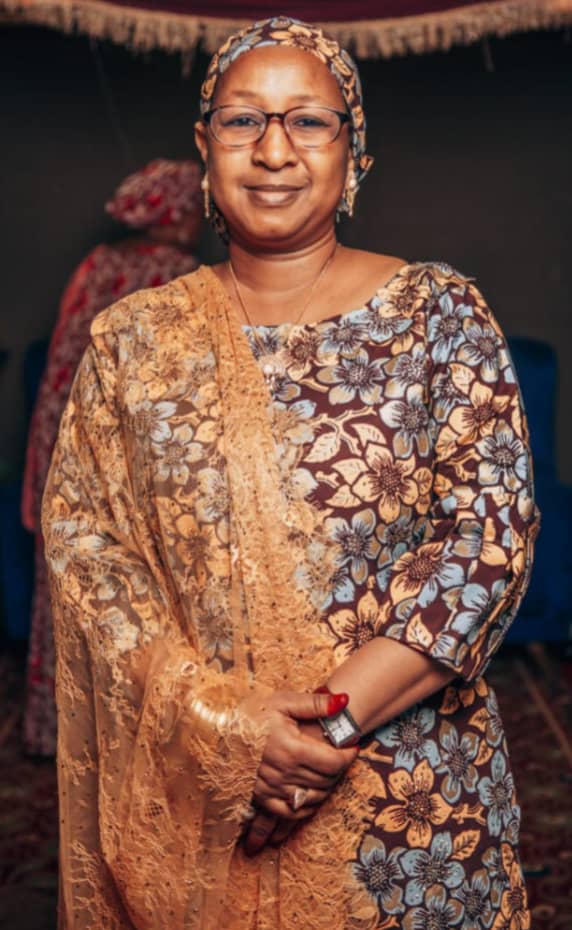
Since 2019, the Kano-based civil servant has turned her monthly pay into a humanitarian fund, rescuing indigent patients from the dark corners of hospital wards — those abandoned because they could not pay their bills or buy drugs, those whose ailments grew worse simply because poverty sealed their fate. “When I started working with the National Orthopaedic Hospital, Dala, I saw how many less privileged patients suffered,” she recalled. “Some couldn’t pay their bills and some even died because of that. I couldn’t just watch. I decided to help with my salary.”
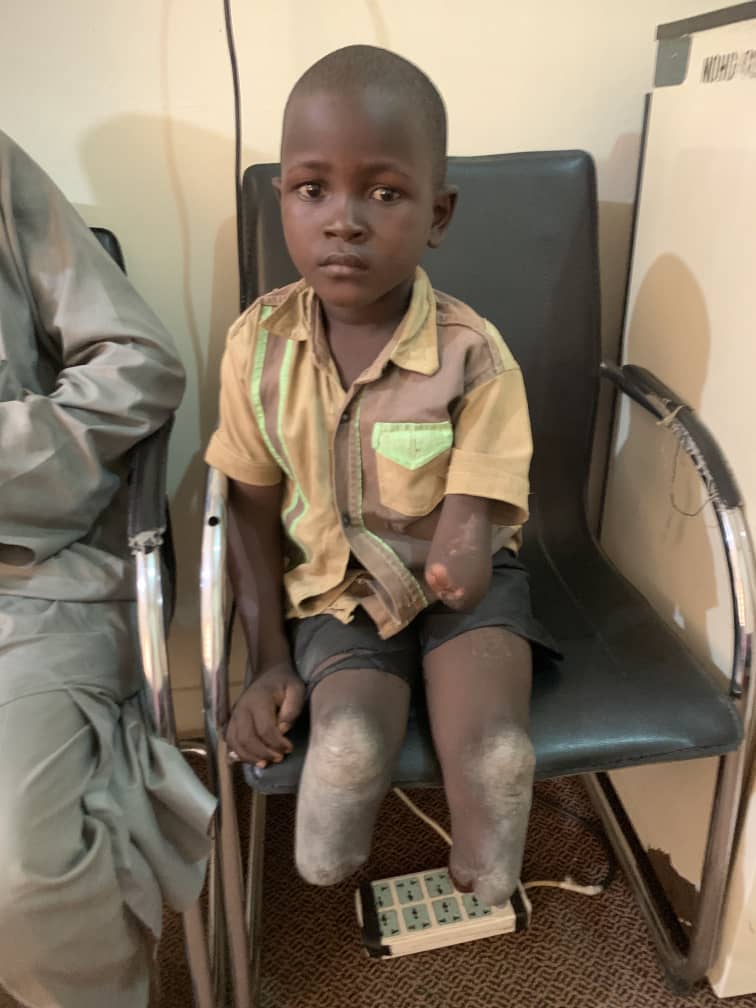
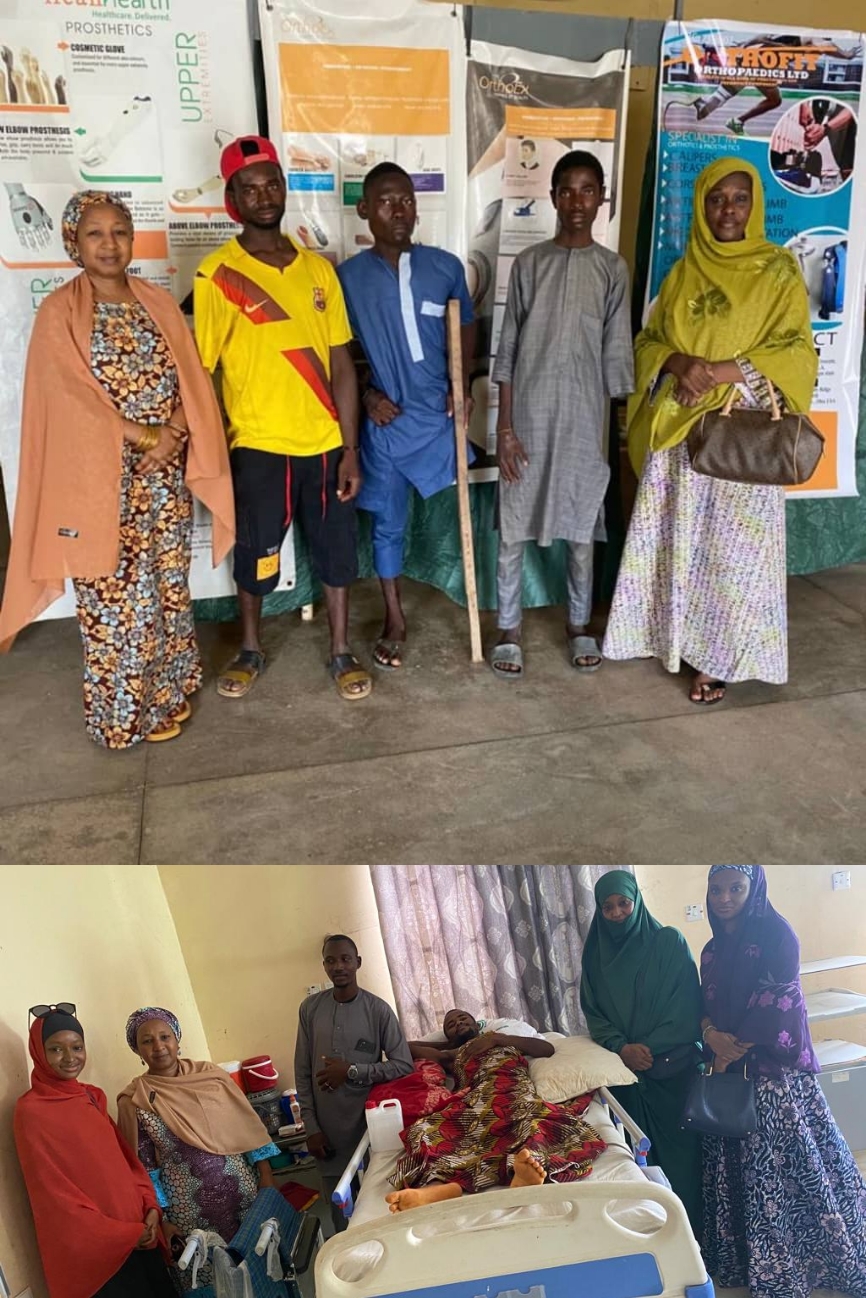
A SPARK OF COMPASSION
It began quietly — one woman’s personal act of mercy. Hajia Mariyatu would pay the hospital bills of the destitute using her own earnings. But compassion, like light, has a way of multiplying. “When people saw what I was doing,” she said, “they began to solicit my help. I decided to put it on my WhatsApp status. Within minutes, my family and friends started sending money.”
That simple act birthed an organic movement of kindness. “I realized people want to help but often don’t have a trustworthy, accountable way to do it,” she explained. With that realization, Hajia Mariyatu became a bridge between empathy and action — a living conduit of collective humanity. She began raising funds for patients she met in hospitals, accounting meticulously for every contribution and posting receipts and updates on her status. Transparency, she insists, is the soul of her mission.
THE WOMAN WHO FED HOPE
Among the countless stories she carries, one remains etched in her memory — a gunshot victim abandoned by her relatives in the female ward at Dala. “Her jaw was shattered,” Hajia recalls softly. “When I visited, I realized she had nobody. I raised money for her surgery — about one million naira — from family and friends. Every day, I brought her food from my home and gave her clothes to wear.”
That single act of mercy restored not just a life but a sense of dignity. It also defined Hajia’s philosophy — that being good to whoever crosses your path is the essence of living.
A NETWORK OF TRUST AND IMPACT
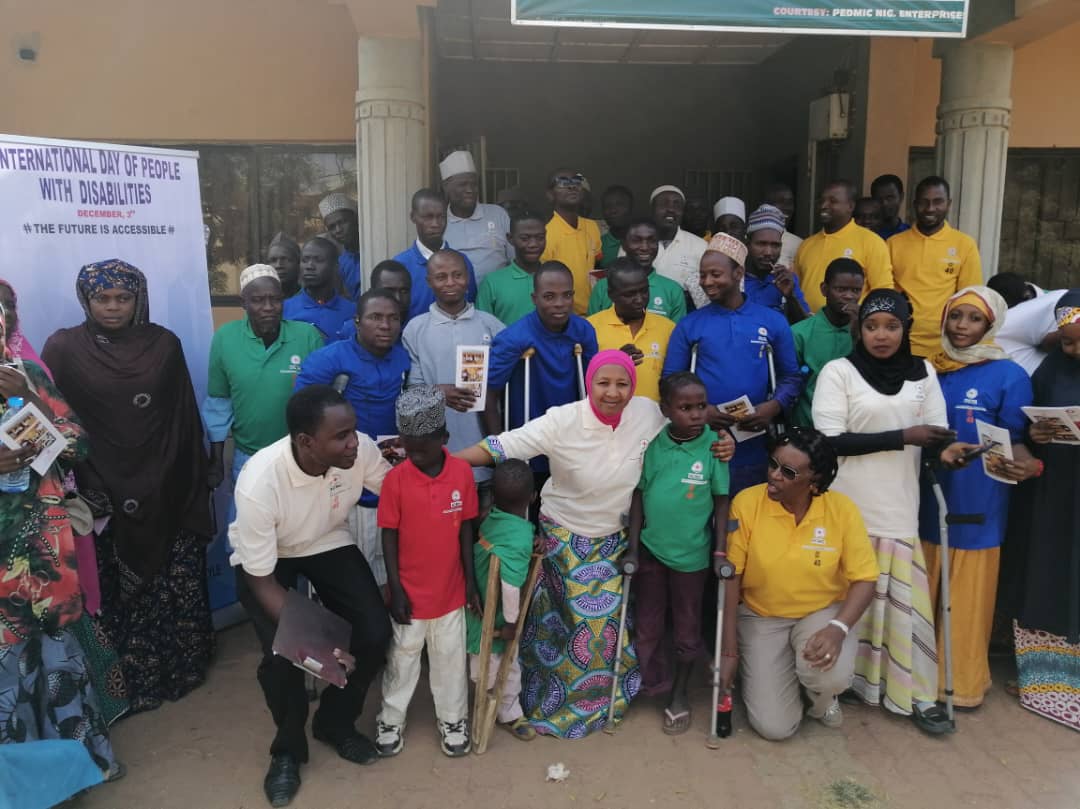
What began with a handful of donations has now grown into a network of goodwill stretching beyond Kano to other northern and middle-belt states. Through social media, she coordinates an informal team of volunteers who verify patients’ needs, make payments, and send her receipts for transparency. “I started with Dala patients whose bills I paid myself,” she said. “Now, people from other states send patients’ bills, and I have representatives who go and pay on my behalf.”
Her approach — simple, honest, and deeply personal — has restored confidence in local philanthropy. “Sometimes, when emergencies come, people may not assist immediately,” she admits. “But Alhamdulillah, I have learned to trust Allah’s timing. Help always comes.”
ROOTED IN UPBRINGING
Her compassion did not emerge from nowhere. It was nurtured by a mother whose generosity left deep imprints on her heart. “I grew up seeing my mother feed people and help others,” she said. “It shaped who I am. Humanitarian work gives me happiness and a sense of fulfillment.”
Today, as a mother, wife, and civil servant, Hajia Mariyatu blends faith, duty, and empathy seamlessly. Her work in the health sector gives her proximity to those in need, while her social media pages serve as a digital bridge between suffering and salvation. “It doesn’t affect my job,” she insists. “If anything, it gives my work more meaning.”
RECOGNIZED, YET HUMBLE
Her selflessness has not gone unnoticed. Over the years, she has received awards from the Association of Resident Doctors (ARD) at Dala Hospital, the National Association of Nigerian Students (NANS), the ICPC Integrity Award, and the SERVICOM Dala Branch recognition. Yet, she remains unassuming. “My joy is meeting people I never expected to meet, and hearing prayers from places I never imagined,” she said with quiet pride. “That is what keeps me going — not fame, but fulfillment.”
BEYOND CHARITY, A LEGACY
Asked what she hopes to be remembered for, Hajia Mariyatu’s answer is immediate and profound. “My legacy is to touch lives. Whoever comes to you for help, do the best you can. Don’t cheat or harm anybody,” she says. Then she recalls her mother’s words in Hausa: “In mutum ya zo gunka, ko ruwa ka bashi in baka da komai — Naka ma naka ne, ba naka bama naka ne” — If someone comes to you, even if all you can give is water, give it. What is yours will always be yours.
Her faith in humanity — and in divine justice — is unwavering. “When I die, I want people to remember me for the good I did — for helping those who had lost hope. I want to be remembered as someone who gave hope to the hopeless.”
THE SPIRIT OF SERVICE
In a time when Nigeria’s healthcare system struggles with underfunding and inequality, Hajia Mariyatu represents the moral spine of civil service — proof that compassion is still possible within the corridors of government. Her work is not backed by a foundation, NGO, or donor agency. It is driven purely by conviction and a deep-seated belief that kauna — love — is the highest form of worship.
For every patient whose bill she pays, for every abandoned soul she clothes or feeds, she restores a small but vital truth: that in the face of systemic failure, individual goodness can still prevail.
And as she puts it with characteristic humility, “It’s not strategy, it’s not cleverness — Ba wayyo ba, ba dabara ba. Kautawa mutane shine Allah ke taimakon na. It’s not about cunning or smartness. When you help people, Allah helps you.”
In Hajia Mariyatu Magaji Muazu, Nigeria has found not just a civil servant, but a servant of humanity — proof that one person’s kindness can echo far beyond the walls of a hospital, rekindling faith in what it truly means to serve. She is currently the Head of Administration of the National Blood Service Agency