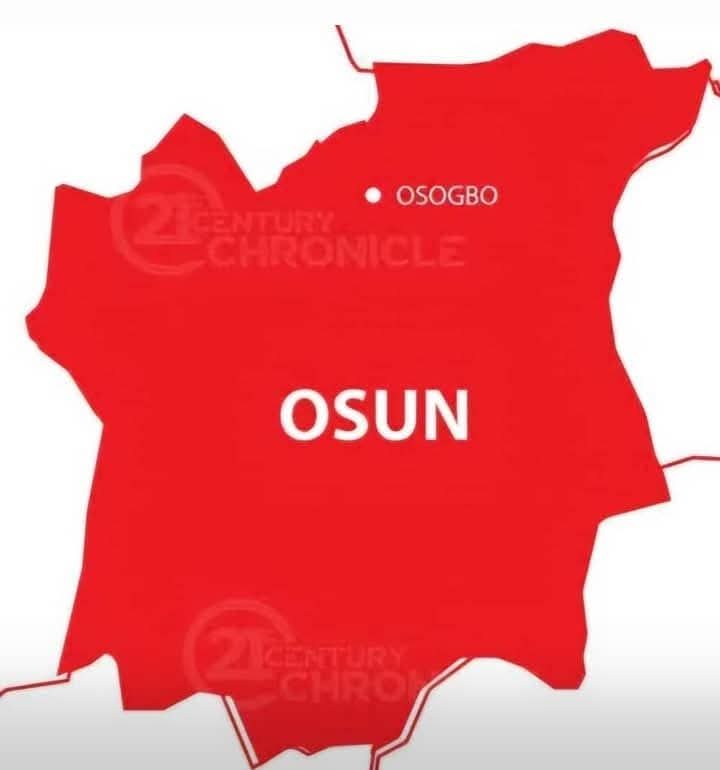
When the dust finally settles on the streets of Osogbo, Iwo, and Ile-Ife, the people of Osun aren’t going to be talking about how well a politician can dance or how many flashy slogans were printed on billboards. They are going to be talking about the weight of their pockets and the emptiness of their stomachs.
In the high-stakes world of real-life politics, elections are rarely just about policy manuals and manifestos; they are a deep-seated reflection of the bond between the leader and the led. When that bond frays – when the promises of yesterday meet the harsh, biting realities of today’s living costs – a government’s legitimacy begins to evaporate. As Osun State barrels towards its August 15, 2026, governorship contest, we are witnessing a moment that echoes far beyond our state lines. It is a moment defined by a singular, urgent question: are we satisfied with stagnation, or is it time for a fresh start?
To understand the mood of the modern electorate, we need only look at the massive political shake-ups happening across the globe. Take a look at Senegal or the recent shifts in European politics; the lesson is always the same. No leader is immune to the consequence of complacency. When a government confuses the preservation of its own power with the actual work of governance – neglecting the bread-and-butter issues that keep households afloat – it invites a crisis of authority that no amount of rhetoric can patch over.
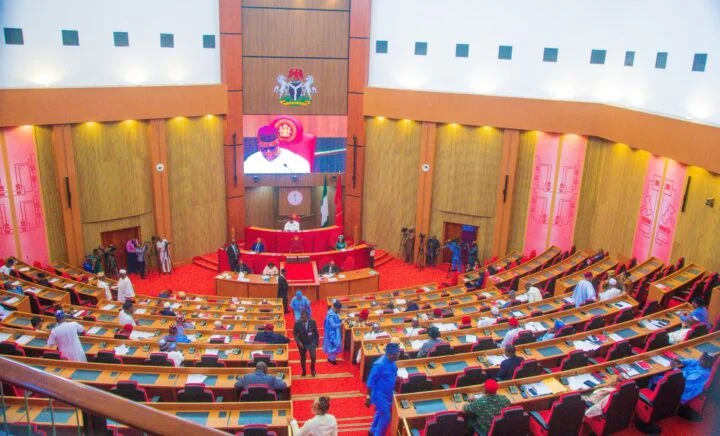
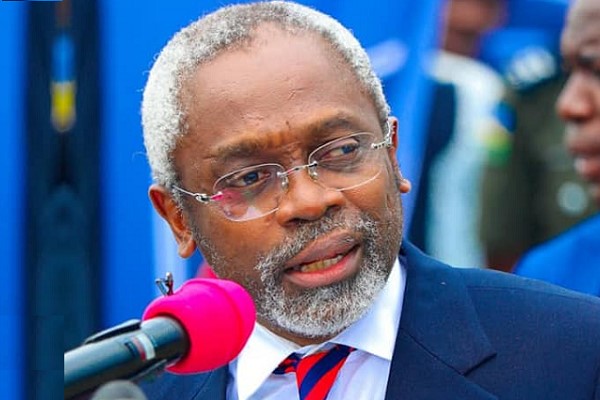
Here in Osun, the atmosphere is thickening with similar frustrations. Governor Ademola Adeleke’s administration has had its run, but the verdict emerging from the streets is one of unfulfilled potential. The cold, hard facts are often hidden behind the dancing and the fanfare. The hallmark of a progressive, serious state is its ability to build: better roads, functional health centers, and a climate that rewards entrepreneurs rather than strangling them with administrative inefficiency. Instead, what we have seen is a cycle of inertia backed by disappointing statistics.
As of 2026, the poverty rate in Osun continues to hover around a projected 62%, following a national trend that the state government has failed to buffer against. While the governor’s team talks about infrastructure, the youth of the state are voting with their feet. The “japa” wave isn’t just about going to London; it’s about Osun’s best brains fleeing to Lagos because local unemployment, which sat at 37.3% in recent cycles, hasn’t been tackled with any real vigour.
The fiscal management of the state has also become a point of serious concern, specifically regarding the controversy of ₦130 billion in withheld or mismanaged local government allocations. This isn’t just a number on a spreadsheet; it represents the money that should have been fixing primary schools in our villages and paying local health workers.
When governance devolves into mere political theatre – high on optics, low on output – the people pay the price. A government that prioritizes its own survival over the long-term purpose of the state is a government that has lost its way. Again, this is where the candidacy of Asiwaju Munirudeen Bola Oyebamiji, known widely as AMBO, changes the equation.
Oyebamiji is not the typical politician who speaks in vague, flowery platitudes. His background – forged in the disciplined, numbers-driven world of banking and sharpened during his tenure as Commissioner for Finance in Osun – marks him as a technocrat who understands that you cannot talk your way out of a fiscal deficit. As a Fellow of the Chartered Institute of Bankers, his career has been defined by rigorous financial oversight and the ability to turn around failing institutions. He knows that a state budget of ₦705.7 billion isn’t just a trophy to show off; it is a tool that requires surgical precision to ensure it actually impacts the poor.
His work as the Managing Director/CEO of the National Inland Waterways Authority (NIWA) further demonstrated his capacity for institutional repair. Even President Bola Ahmed Tinubu has acknowledged his contributions, describing him as a “steady hand” whose intellect and integrity remain invaluable to the nation.
AMBO offers a shift from the performative to the functional, operating on the logic of efficiency rather than the currency of political patronage. To put it succinctly, the All Progressives Congress, APC-led administration isn’t just looking to replace names; it is looking to replace a broken system.
First, there is the issue of local government paralysis. By restoring the autonomy of these councils and ensuring that funds flow directly to the 30 Local Governments and the Area Office, the APC will move development into the backyards of the farmers in Ila-Orangun and the traders in Ejigbo. This is how you fix primary healthcare: by making sure the money meant for the clinic actually gets to the clinic.
Furthermore, the plan to tackle the high unemployment rate involves turning Osun into a production hub. AMBO’s vision involves “Economic Corridors” where the state partners with the private sector to build processing plants near cocoa and cassava farms. The goal is simple: stop exporting raw materials and start exporting finished goods, creating real jobs for the youth who are currently fleeing the state.
Addressing the “Education Gap” is another priority. While the current administration boasts of exam rankings, the physical state of many rural schools remains a disaster. AMBO plans to use his financial expertise to create a sustainable “Education Trust Fund” that doesn’t rely solely on erratic monthly allocations from Abuja. This will ensure that teachers are trained and schools are equipped, regardless of the political climate.
Simultaneously, Osun State, under Oyebamiji, intends to restore respect for the judiciary. The current administration has faced heavy criticism for ignoring court orders and creating judicial tension, but AMBO knows that no investor brings money to a state where the governor plays games with the law. By restoring the rule of law, AMBO will create the “Ease of Doing Business” environment that has been missing for the last four years.
To truly win the hearts of the Osun electorate, AMBO and the APC machinery must drop the traditional, top-down campaign style and turn this race into a movement for systemic renewal. They must get off the podiums and get into the trenches. The youth of Osun are restless and rightfully skeptical; they don’t want to be addressed, they want to be included. The “how” matters more than the “what.” People are tired of hearing grand visions that never materialize. They want to see the blueprint – how to boost revenue without squeezing small traders and how to secure agricultural hubs to ensure food security. AMBO has the technical background to present a realistic, data-driven budget that prioritizes education, healthcare and infrastructure.
Without being immodest, the election on August 15th is a litmus test for Osun State. It is a choice between continuing down a path of administrative drift or choosing a fresh, data-driven start. The people of Osun are awake, and they are watching. They see the ₦130 billion gap in local funding. They see the rising cost of transportation. They see the lack of jobs. They are tired of the gymnastics. AMBO possesses the credentials; now, he must show he has the heart to match them.
The mandate will only be earned by a campaign that speaks the language of the common man with the competence of a seasoned administrator. We don’t need a governor who can just dance to the beat; we need a governor who can fix the economy so the people have a reason to dance. Oyebamiji represents that bridge between the potential of our state and the reality of our prosperity. It is time for a fresh start, moving from theatre to transformation.
●Adeyemi wrote from Ilesa, Osun State.