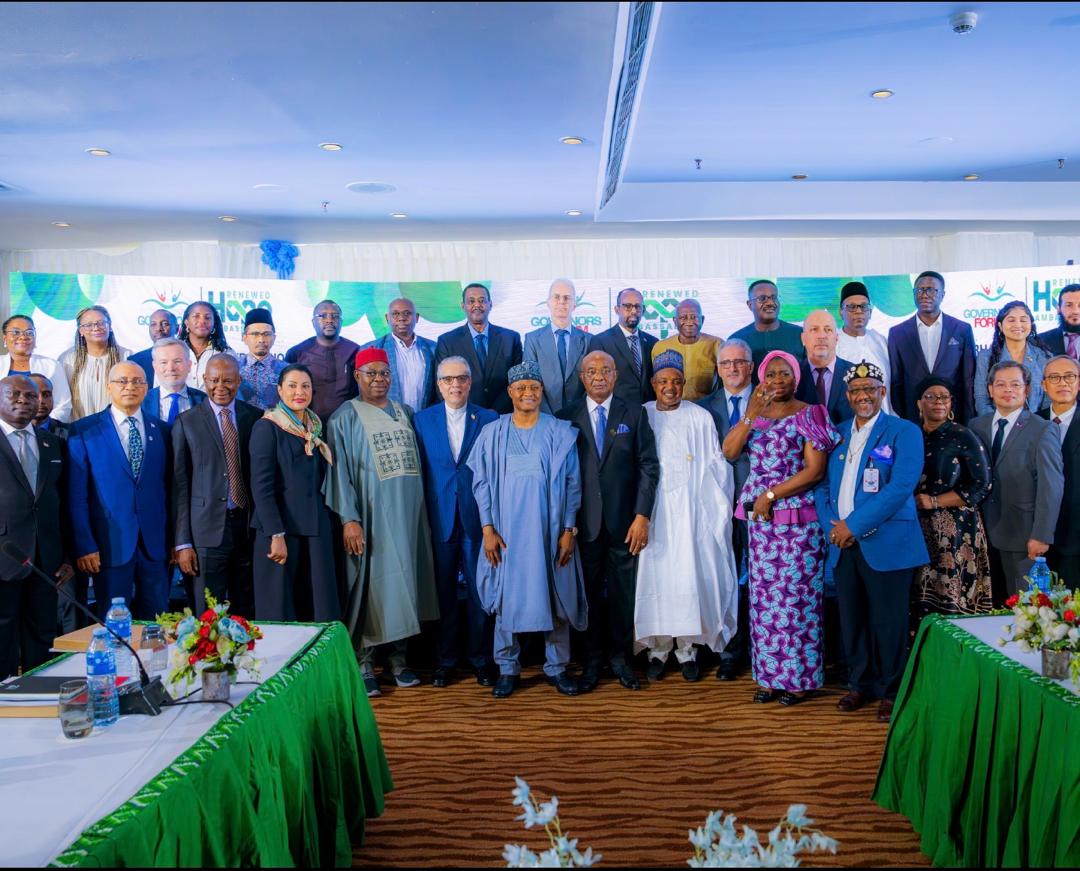
Members of the diplomatic corps have expressed optimism over Nigeria’s economic outlook and democratic trajectory, citing ongoing reforms and increasing engagement between government institutions and international partners as positive signals for investment and cooperation.
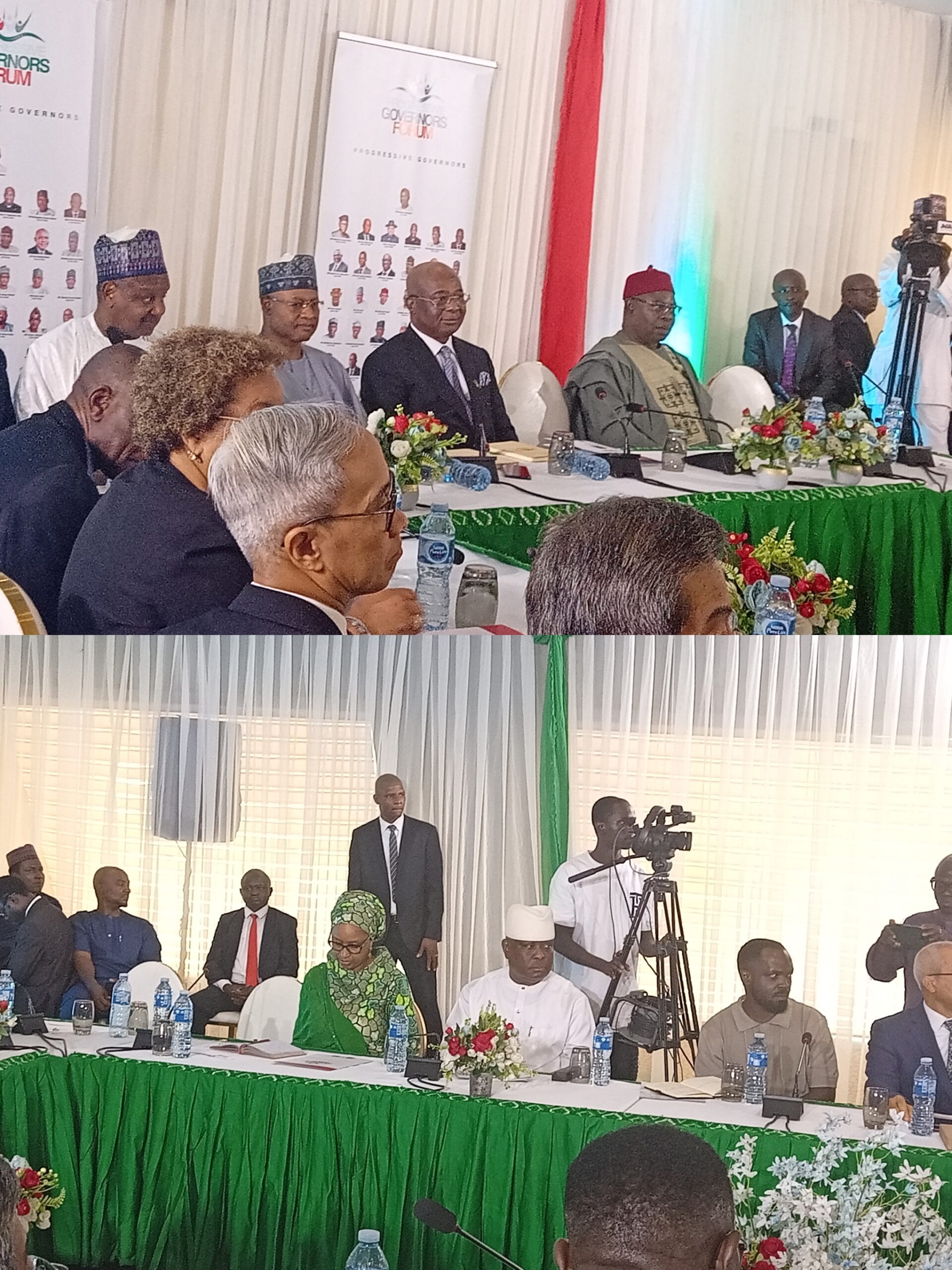
The diplomats spoke on Monday during an interactive session organised in Abuja by the Progressives Governors Forum (PGF) and the Renewed Hope Ambassadors.
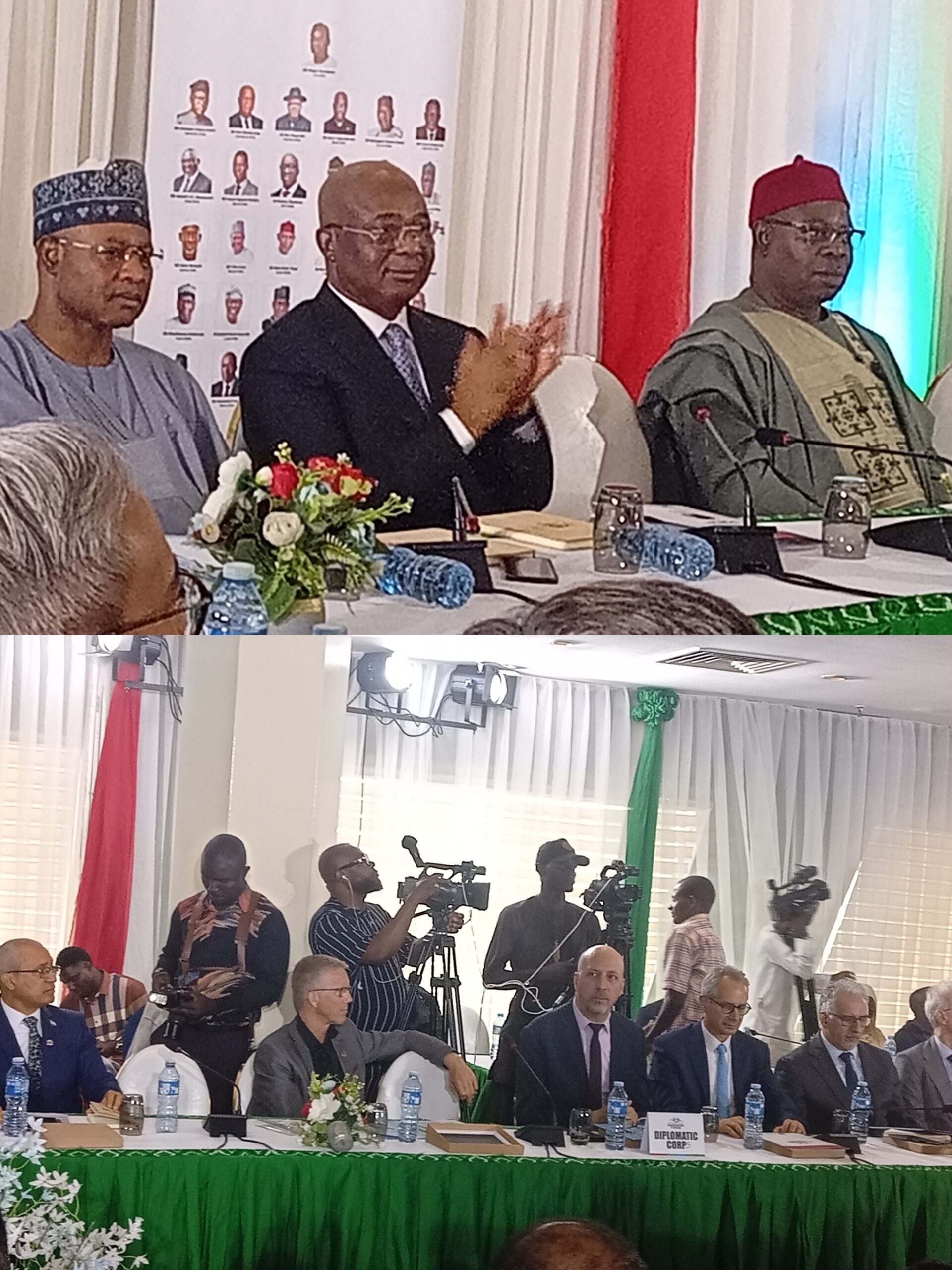
The meeting, chaired by Hope Uzodimma, brought together governors, ministers, diplomats, development partners, and political stakeholders to discuss Nigeria’s reform agenda and opportunities for international collaboration.
Addressing participants, Uzodimma said Nigeria was undergoing a period of “foundational repair” under President Bola Ahmed Tinubu, driven largely by the removal of fuel subsidy and reforms in the foreign exchange market.
According to him, the administration’s policy direction was already yielding positive outcomes, including increased government revenues, improved investor confidence, and renewed optimism among development partners.
“The tone of reports sent by many diplomatic missions to their capitals has gradually shifted from concern to cautious optimism and, more recently, to genuine confidence,” he said.
Uzodimma explained that the engagement was designed to provide the diplomatic community with a clearer understanding of Nigeria’s economic reforms, governance priorities, and investment prospects.
Minister of Budget and Economic Planning, Atiku Bagudu, said the federal government valued the longstanding support of development partners across sectors such as healthcare, governance, education, renewable energy, agriculture, and institutional development.
He stressed the importance of aligning international interventions with local development priorities, noting that Nigeria’s federal structure required stronger collaboration between development partners and state governments.
The European Union Ambassador to Nigeria and ECOWAS, Gautier Mignot described the forum as timely and significant, noting that governors remained central to addressing many of the country’s pressing challenges, including insecurity, poverty, power supply, and humanitarian concerns.
The envoy also emphasised the importance of democratic accountability and constructive dialogue ahead of the 2027 general elections, while commending Nigerian authorities for maintaining open channels of engagement with the diplomatic community.
Liberia’s Ambassador to Nigeria, in his remarks, applauded Nigeria’s role in promoting peace and stability across West Africa, particularly Liberia’s recovery during its civil war years.
He said Nigeria continued to serve as a regional leader within ECOWAS and reaffirmed Liberia’s commitment to deepening bilateral cooperation with Africa’s largest economy.
Also speaking, Chairman, Nigerians in Diaspora, NiDCOM,Hon. Abike Dabiri-Erewa said dialogue and sustained engagement remained critical to strengthening understanding between Nigeria and the international community.
Closing the session, Uba Sani said the Tinubu administration’s reforms were strengthening economic resilience, improving security, and expanding opportunities for citizens across the country.
He added that Nigeria would continue to prioritise partnerships capable of accelerating development, enhancing democratic governance, and improving the overall business environment.