Governors elected on the platform of the All Progressives Congress (APC), members of the diplomatic corps, and senior federal officials on Monday expressed support for President Bola Ahmed Tinubu’s reform agenda, describing ongoing economic measures as critical to Nigeria’s long-term stability and growth.
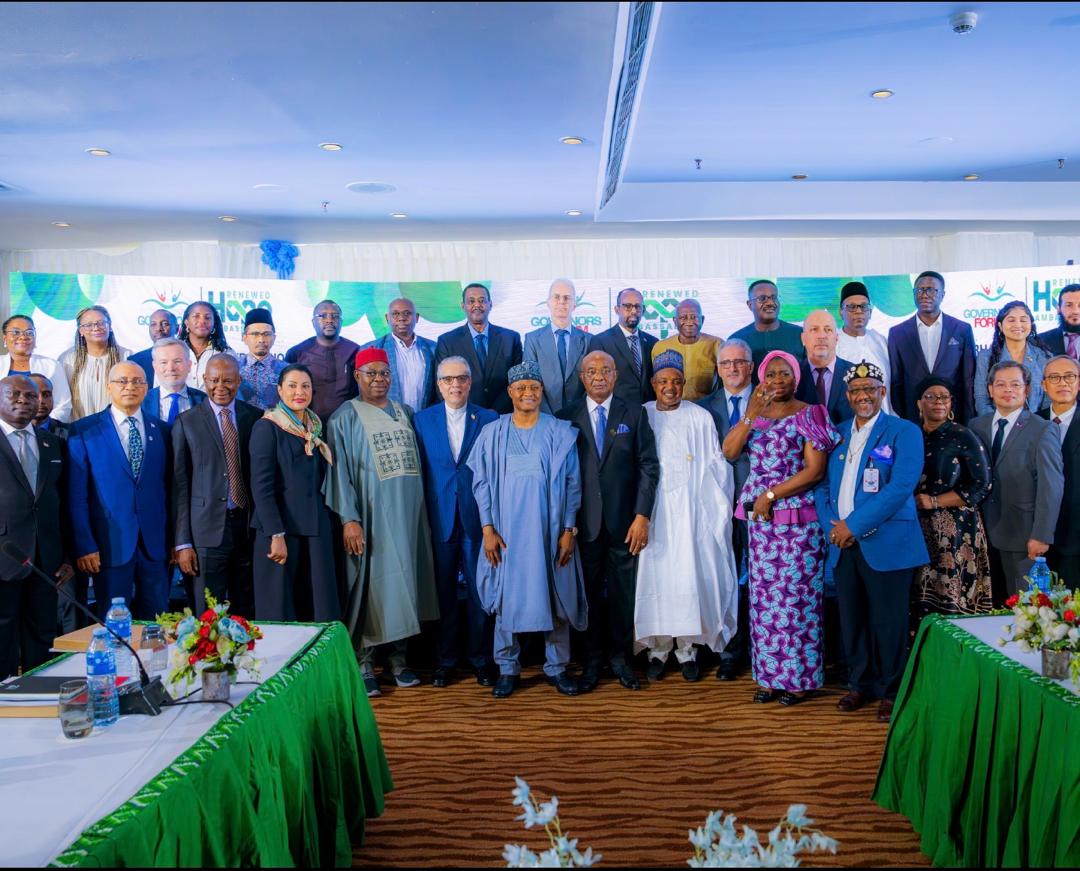
The position was reinforced during an interactive session convened in Abuja by the Chairman of the Progressives Governors Forum (PGF) , Director General Renewed Hope Ambassadors RHA,and Governor of Imo State, Hope Uzodimma, alongside the Renewed Hope Ambassadors.
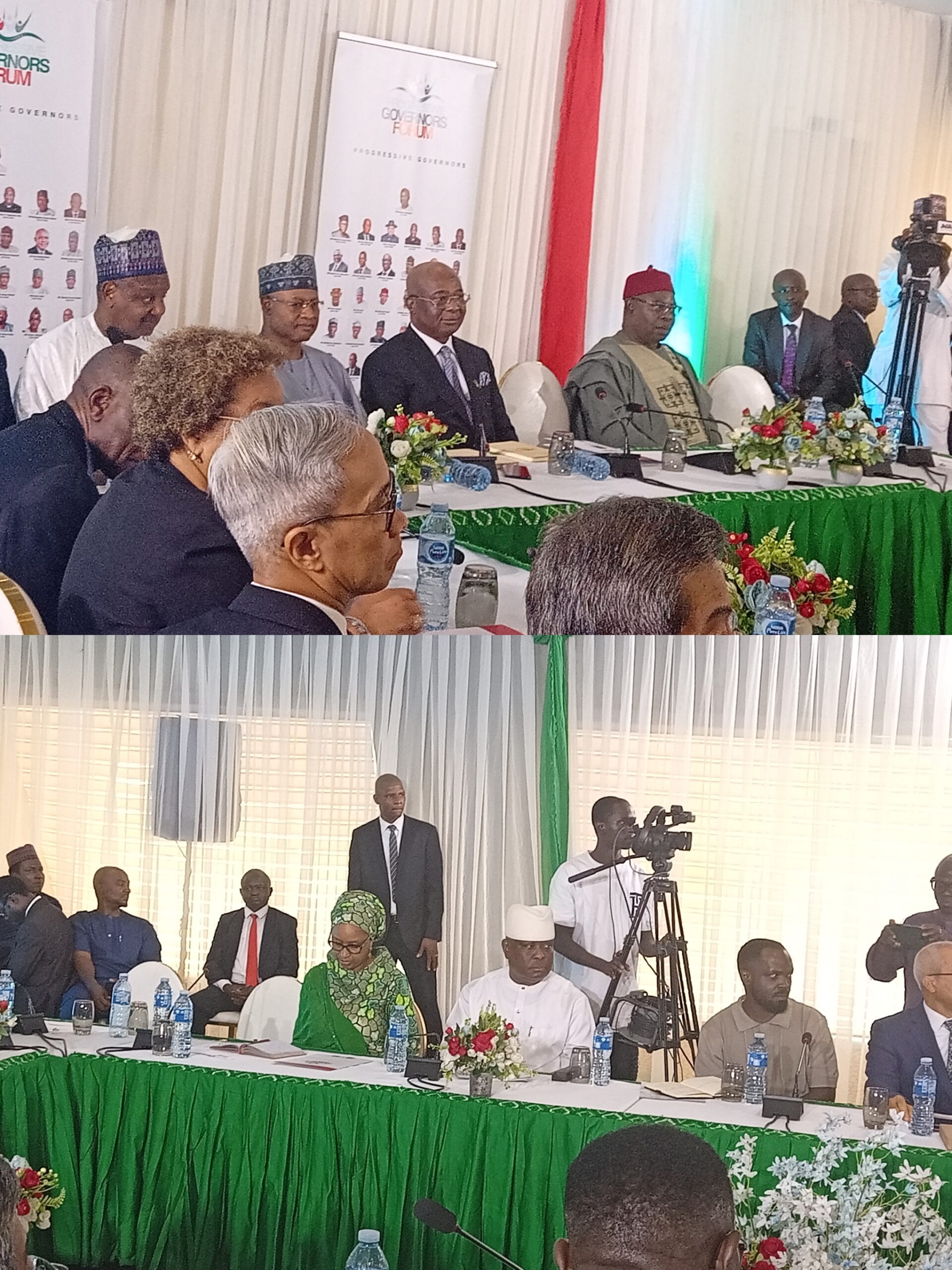
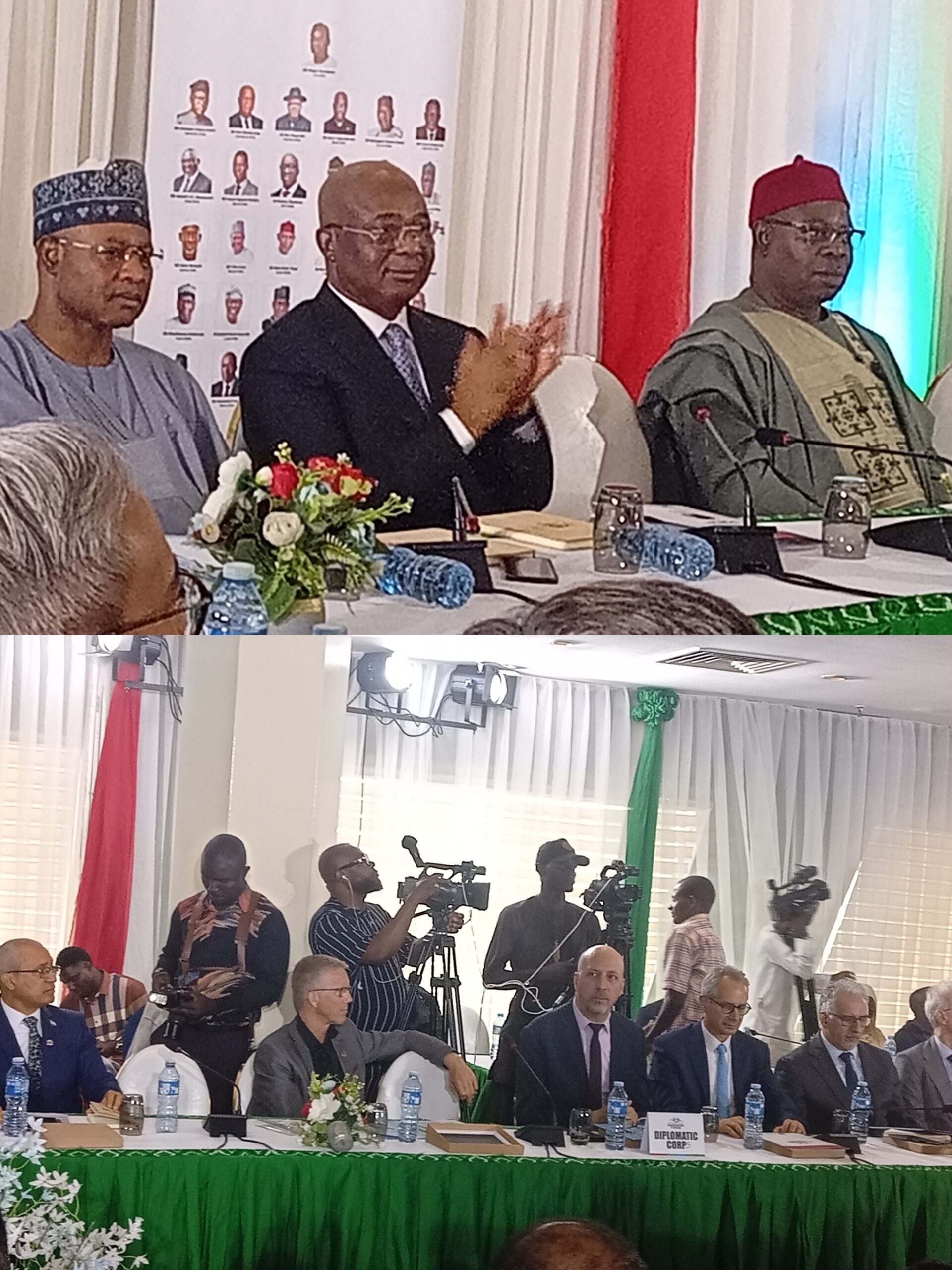
The high-level engagement brought together governors, ministers, development partners, diplomats, APC stakeholders, and members of the media to deepen cooperation between Nigeria’s federal and sub-national governments and the international community.
Delivering the welcome address,Minister of Budget and Economic Planning, Atiku Bagudu, said the session aligned with the Federal Ministry of Budget and Economic Planning’s mandate to strengthen collaboration with development partners and diplomatic missions.
Bagudu noted that the administration of President Bola Ahmed Tinubu remained focused on economic recovery, inclusive growth, institutional reforms, democratic consolidation, and sustainable development under the Renewed Hope Agenda.
He said Nigeria had continued to pursue difficult but necessary reforms aimed at repositioning the economy and improving governance, while creating opportunities for deeper partnerships in infrastructure financing, agriculture, renewable energy, climate action, healthcare, education, security cooperation, and investment promotion.
According to the minister, stronger engagement between development partners and state governments would ensure interventions are tailored to local realities and development priorities.
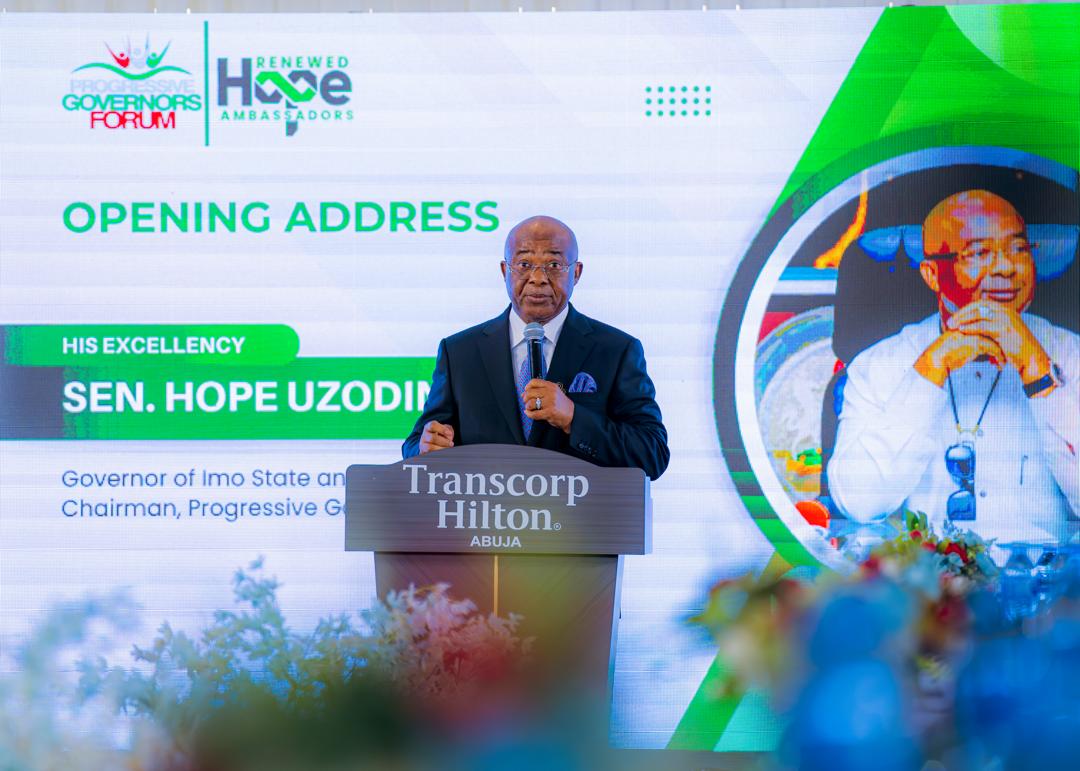
In his opening remarks, Uzodimma defended key policies introduced by the Tinubu administration, particularly the removal of fuel subsidy and the liberalisation of the foreign exchange market, described them as pivotal reforms that altered the trajectory of the Nigerian economy.
“The trajectory of the Federal Republic of Nigeria under the administration of President Bola Ahmed Tinubu is one of foundational repair, followed by visible signs of economic recovery,” he said.
The Imo governor argued that the reforms had increased revenues accruing to both the federal and state governments, strengthened investor confidence, and improved macroeconomic indicators.
He added that Nigeria’s stock market had recorded significant growth, while ongoing reforms were helping to close infrastructure gaps and stabilise the political climate.
Uzodimma also called for greater national unity and support for policies capable of advancing economic prosperity and national cohesion.
Representatives of the diplomatic community commended the initiative, describing it as a strategic platform for strengthening engagement with Nigerian authorities at both federal and state levels.
The European Union Ambassador to Nigeria and ECOWAS, Gautier Mignot, said governors remained critical partners in addressing insecurity, poverty, humanitarian challenges, energy deficits, and women empowerment, noting that sub-national governments were often closer to grassroots realities.
The envoy stated that the European Union remained committed to aligning its development programmes with Nigeria’s reform priorities and would continue to engage constructively with state governments regardless of political affiliation.
Similarly, Liberia’s Ambassador to Nigeria praised Nigeria’s longstanding leadership role within West Africa and acknowledged the country’s intervention during Liberia’s civil conflict through ECOWAS peacekeeping efforts.
He described Nigeria as the “pace setter” in the region and reaffirmed Liberia’s commitment to strengthening bilateral relations and regional cooperation.
Chairman/CEO of Nigerians in Diaspora Commission, Abike Dabiri-Erewa,in her remarks said continuous dialogue between Nigeria and its international partners remained essential for fostering mutual understanding and long-term cooperation.
In his closing remarks, the Kaduna State Governor and Deputy Director General,RHA ,Uba Sani said the Renewed Hope Agenda was empowering sub-national governments to implement transformative policies focused on economic growth, social inclusion, infrastructure development, and youth empowerment.
He maintained that growing international confidence in Nigeria reflected the impact of the administration’s reforms and the country’s commitment to democratic governance and economic stability.