The Federal Government has reaffirmed its commitment to implementing a balanced, evidence-based and human-centred approach to drug control, with renewed focus on prevention, treatment, rehabilitation and improved access to essential controlled medicines for patients with legitimate medical needs.
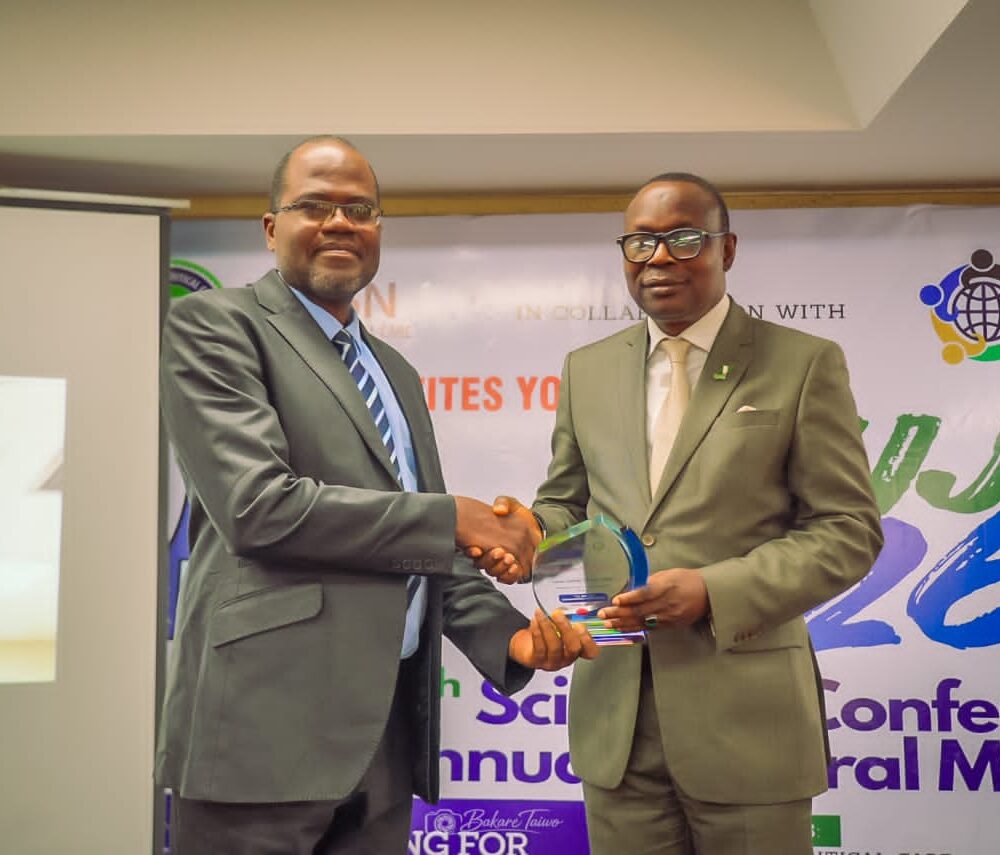
The Coordinating Minister of Health and Social Welfare, Professor Muhammad Ali Pate, made this known in a keynote address delivered on his behalf by the Director of the Food and Drug Services Department of the Federal Ministry of Health and Social Welfare, Mrs. Olufowobi-Yusuf Adeola, at the Maiden National Drug Use Summit held on July 8 and 9, 2026, at the Transcorp Hilton Hotel, Abuja.
Professor Pate described drug use in Nigeria as a complex public health and development challenge, citing the 2018 United Nations Office on Drugs and Crime (UNODC) survey which revealed that 14.4 per cent of Nigerians aged between 15 and 64 had used drugs. He noted that cannabis remains the most commonly used substance, while the misuse of prescription opioids such as tramadol and codeine, alongside emerging psychoactive substances, continues to rise.
According to the minister, the increasing burden of drug misuse poses serious threats to public health, national security and socio-economic development, stressing that the country must adopt comprehensive strategies that extend beyond law enforcement.
He emphasized that while efforts to combat illicit drug use would continue, government has a responsibility to ensure that patients suffering from severe pain resulting from cancer, surgery, sickle cell disease and other medical conditions have access to controlled medicines such as morphine and pethidine.
Professor Pate stressed that denying patients appropriate pain relief because of concerns over drug diversion was unacceptable, assuring that government would continue to pursue policies that balance effective drug control with access to essential medicines.
He explained that while security agencies would continue supply reduction efforts, the Federal Ministry of Health and Social Welfare would lead demand reduction initiatives through prevention, treatment and rehabilitation, noting that addiction should be treated as a medical condition requiring evidence-based care rather than stigma or punishment.
The minister disclosed that the ministry would strengthen screening, brief intervention and referral services for substance use disorders across primary healthcare centres and general hospitals, while expanding accredited treatment and rehabilitation centres and training more healthcare workers in medically assisted treatment.
He also announced plans to strengthen accountability across the pharmaceutical supply chain by securing warehouses storing narcotic medicines, deploying inventory management systems and intensifying joint inspections with regulatory and enforcement agencies to ensure controlled medicines are properly tracked from procurement to patient use.
Professor Pate further revealed that the ministry would deepen collaboration with the Ministries responsible for Education, Youth and Women Affairs to implement evidence-based drug prevention programmes in schools and communities while addressing stigma associated with substance use disorders.
He commended the Kaduna State Government for its efforts in tackling drug abuse and urged other state governments to strengthen data systems, fund state-specific response plans and invest in treatment and rehabilitation services alongside enforcement.
The minister also appreciated the support of international development partners, policymakers, civil society organisations, the National Drug Law Enforcement Agency (NDLEA) and community stakeholders, describing collaboration as critical to addressing the nation’s drug challenge.
According to him, the true measure of the summit’s success would be reflected in fewer young people initiating drug use, increased access to effective pain management, restored families and stronger communities committed to preventing substance abuse.
Representing President Bola Ahmed Tinubu’s administration, the Secretary to the Government of the Federation, Senator George Akume, represented by the Permanent Secretary, General Services Office, Dr. Abubakar Ibrahim Kana, said combating illicit drugs requires the collective commitment of government institutions, communities, families, healthcare providers, security agencies, civil society organisations, faith-based groups, the private sector and international partners.
Akume expressed concern over the devastating effects of substance use disorders, including mental illness, family breakdown, disrupted education, unemployment and rising criminal activities, particularly among young Nigerians.
He reaffirmed the Federal Government’s commitment under the Renewed Hope Agenda to promoting mental health, strengthening healthcare systems, empowering young people and reinforcing institutions responsible for addressing emerging social challenges.
Earlier, Chairman of the National Drug Law Enforcement Agency (NDLEA), Brigadier-General Mohammed Buba Marwa (Rtd), described the summit as timely and necessary, saying it aligns with global efforts to confront drug-related challenges through innovative and collaborative approaches.
Marwa said the summit provides a platform for stakeholders to build consensus on a coordinated national action plan that would strengthen prevention, treatment, rehabilitation, data collection, policy implementation and community resilience.
He urged participants to engage actively, share experiences and develop practical solutions capable of translating into meaningful action, expressing confidence that stronger institutional collaboration and sustained partnerships would significantly reduce drug abuse and support the objectives of the Renewed Hope Agenda.
In her goodwill message, the Permanent Secretary of the Federal Ministry of Health and Social Welfare, Daju Kachollom, represented by the Director of the Narcotics Division, Pharmacist Henrietta Bakura-Onyeneke, reaffirmed the ministry’s commitment to building a healthcare system where no Nigerian is denied essential pain management and where no citizen loses his or her future to drug misuse.